 EN
EN
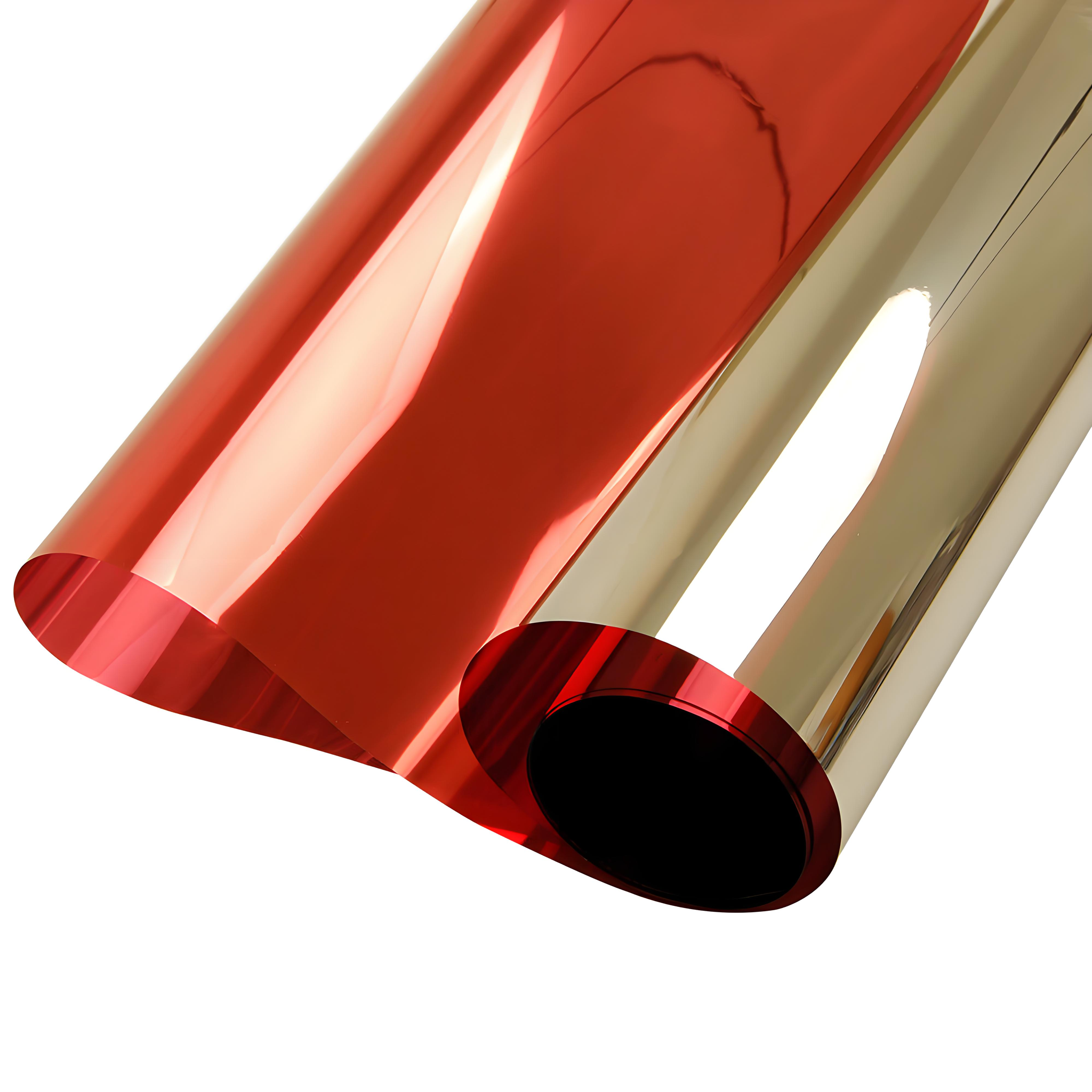
Modern architectural projects increasingly rely on decoration film to achieve sophisticated visual effects while maintaining practical functionality. These specialized films serve multiple purposes in contemporary building design, from enhancing aesthetic appeal to providing functional benefits like privacy, solar control, and surface protection. Understanding the various types of decoration film available helps architects, designers, and building owners make informed decisions that align with their project goals and budget constraints.
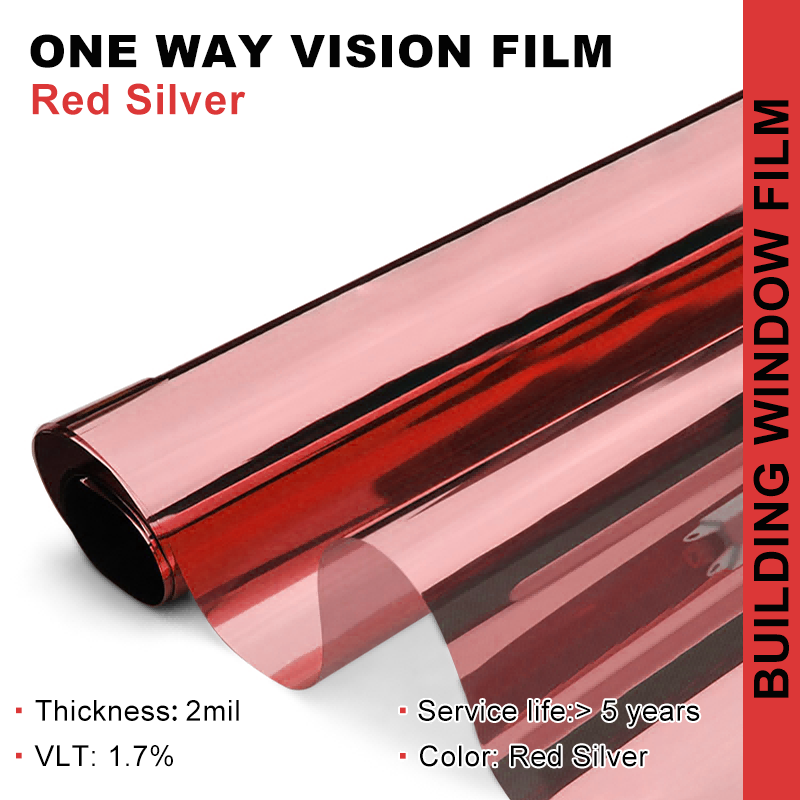
The selection of appropriate decoration film depends on several factors including the building's architectural style, intended use, environmental conditions, and maintenance requirements. Each type of decoration film offers distinct characteristics that make it suitable for specific applications, from residential interiors to large-scale commercial facades. This comprehensive overview examines the primary categories of decoration film used in today's architectural landscape, their unique properties, and their optimal applications.
Metallic and Reflective Decoration Films
Chrome and Mirror Finish Films
Chrome and mirror finish decoration film creates striking reflective surfaces that add depth and dimension to architectural spaces. These films feature highly polished metallic surfaces that reflect light and surrounding elements, creating dynamic visual effects that change throughout the day. The reflective properties of this decoration film make it particularly effective for accent walls, elevator interiors, and feature panels where dramatic impact is desired.
The installation of chrome decoration film requires careful surface preparation to achieve optimal results. Any imperfections in the underlying surface will be magnified by the reflective properties, making proper substrate preparation crucial for professional outcomes. These films work exceptionally well in modern minimalist designs where clean lines and high-impact finishes create sophisticated environments.
Maintenance considerations for reflective decoration film include regular cleaning to maintain the mirror-like finish and protection from scratching during installation and use. The durability of quality metallic films ensures long-lasting performance in interior applications, though exterior use may require additional protective coatings depending on environmental exposure.
Brushed Metal and Satin Finishes
Brushed metal decoration film offers the appearance of genuine metal surfaces without the weight, cost, and installation complexity of actual metal panels. These films replicate the linear grain patterns found in brushed aluminum, stainless steel, and other metal finishes, providing sophisticated industrial aesthetics suitable for contemporary architectural projects.
The directional grain pattern in brushed decoration film creates subtle light diffusion that reduces glare while maintaining visual interest. This characteristic makes brushed finishes particularly suitable for office environments, retail spaces, and residential applications where controlled lighting effects enhance the overall design scheme.
Installation techniques for brushed decoration film require attention to grain direction alignment to maintain consistent visual flow across large surfaces. Professional installers typically plan the layout carefully to ensure grain patterns flow logically and create the intended design effect throughout the application area.
Textured and Dimensional Decoration Films
Wood Grain and Natural Texture Films
Wood grain decoration film provides the warmth and character of natural wood without the maintenance requirements, moisture sensitivity, or installation challenges associated with real wood materials. These films feature detailed photographic reproductions of wood species combined with embossed textures that replicate the tactile qualities of genuine wood surfaces.
Modern wood grain decoration film technology produces remarkably realistic results, with high-resolution printing and precise texture registration creating convincing wood appearances. Popular wood species representations include oak, walnut, cherry, and exotic hardwoods, each offering distinct grain patterns and color variations that suit different architectural styles and design preferences.
The practical advantages of wood grain decoration film include resistance to moisture, scratching, and fading that can affect natural wood in certain environments. This makes textured decoration film an ideal choice for high-humidity areas, high-traffic zones, and locations where traditional wood finishing would be impractical or costly to maintain.
Stone and Concrete Texture Films
Stone and concrete texture decoration film brings the raw, industrial aesthetic of natural materials to architectural surfaces while eliminating the structural and cost considerations of actual stone or concrete installation. These films feature realistic reproductions of marble, granite, limestone, and various concrete finishes, complete with appropriate surface textures and color variations.
The three-dimensional texture elements in stone-pattern decoration film create authentic tactile experiences that enhance the visual illusion of genuine materials. Advanced manufacturing techniques produce films with varying surface heights and textures that respond to light and shadow in ways that closely mimic natural stone characteristics.
Applications for stone texture decoration film include feature walls, column wrapping, and accent panels where the weight and expense of natural stone would be prohibitive. The flexibility of film installation allows for application to curved surfaces and complex geometries that would be challenging or impossible with traditional stone materials.
Specialty Performance Decoration Films
Privacy and Obscuration Films
Privacy decoration film serves dual purposes by providing visual screening while maintaining decorative appeal in architectural applications. These specialized films range from subtle frosted effects to bold geometric patterns, allowing natural light transmission while obscuring clear vision through glass surfaces.
Gradient and ombre decoration film creates smooth transitions from clear to opaque areas, offering privacy at eye level while maintaining transparency for views and light at other levels. This type of decoration film is particularly effective for conference rooms, medical facilities, and residential applications where selective privacy is desired without completely blocking natural light.
Patterned privacy decoration film incorporates decorative elements such as geometric designs, organic shapes, or custom graphics while providing visual screening. These films allow architects to integrate branding elements, wayfinding graphics, or artistic patterns into functional privacy solutions that enhance rather than detract from the overall design concept.
Solar Control and Energy Management Films
Solar control decoration film combines aesthetic enhancement with energy efficiency benefits, reducing cooling costs while providing decorative effects. These films selectively filter solar radiation, reducing heat gain and glare while maintaining natural light transmission and exterior visibility.
Spectrally selective decoration film technology allows precise control over which wavelengths of light are transmitted, reflected, or absorbed. This enables architects to specify films that provide optimal solar performance while achieving desired aesthetic effects, balancing energy efficiency with design requirements.
The long-term cost benefits of solar control decoration film include reduced HVAC operating costs, improved occupant comfort, and potential LEED certification points for energy-efficient building design. These performance characteristics make functional decoration film an attractive option for sustainable architecture projects where environmental impact and operating efficiency are important considerations.
Custom and Digital Print Decoration Films
Architectural Graphics and Branding Films
Custom printed decoration film enables architects and designers to incorporate specific graphics, corporate branding, or artistic elements into building surfaces. Digital printing technology allows for virtually unlimited design possibilities, from photographic images to abstract patterns, logos, and architectural graphics that integrate seamlessly with the overall design concept.
The resolution and color accuracy of modern digital printing produces decoration film with exceptional image quality suitable for close viewing distances and large-scale applications. UV-resistant inks and protective coatings ensure long-term color stability and durability, making custom decoration film suitable for both interior and protected exterior applications.
Design flexibility with custom decoration film allows for site-specific solutions that address unique architectural challenges or requirements. This might include wayfinding systems integrated into decorative patterns, historical imagery that connects buildings to their context, or abstract designs that create specific spatial experiences.
Architectural Feature Integration
Architectural integration of decoration film involves coordinating film specifications with building systems, structural elements, and design details to create cohesive visual experiences. This requires careful planning during the design phase to ensure that film applications enhance rather than conflict with other architectural elements.
Coordination with lighting systems allows decoration film to interact dynamically with artificial illumination, creating changing visual effects throughout the day and night. Translucent decoration film can be backlit to create glowing accent features, while reflective films can be positioned to redirect and focus light in specific ways.
The integration of decoration film with building maintenance systems requires consideration of cleaning access, replacement procedures, and long-term durability. Professional installation and specification ensure that decoration film applications remain attractive and functional throughout the building's lifecycle while minimizing maintenance requirements and replacement costs.
FAQ
How long does decoration film typically last in architectural applications?
Quality decoration film designed for architectural use typically lasts 7-15 years depending on the specific product, environmental conditions, and maintenance practices. Interior applications generally achieve longer lifespans than exterior installations due to reduced exposure to UV radiation, temperature extremes, and weather conditions. Premium architectural films often include extended warranty coverage reflecting their durability and performance characteristics.
Can decoration film be removed without damaging the underlying surface?
Professional-grade decoration film is designed for removability when proper installation and removal techniques are employed. Most architectural films use pressure-sensitive adhesives that allow clean removal without surface damage when the film is warmed and peeled at appropriate angles. However, removal difficulty may increase with age, and professional removal services are recommended for large or critical applications to ensure optimal results.
What surface preparation is required before installing decoration film?
Successful decoration film installation requires clean, smooth, and properly prepared surfaces free from dust, oils, and contaminants. Surfaces should be thoroughly cleaned with appropriate solvents, and any imperfections should be repaired since decoration film will conform to and potentially highlight surface irregularities. Primer application may be necessary for certain substrates to ensure optimal adhesion and long-term performance.
Is decoration film suitable for curved or complex architectural surfaces?
Many types of decoration film are specifically engineered for conformability to curved and complex surfaces. Conformable films can stretch and adapt to moderate compound curves, while specialized installation techniques including heat application and post-heating can accommodate more complex geometries. However, extreme curves or sharp angles may require segmented installation or alternative film specifications designed for high-stretch applications.