 EN
EN
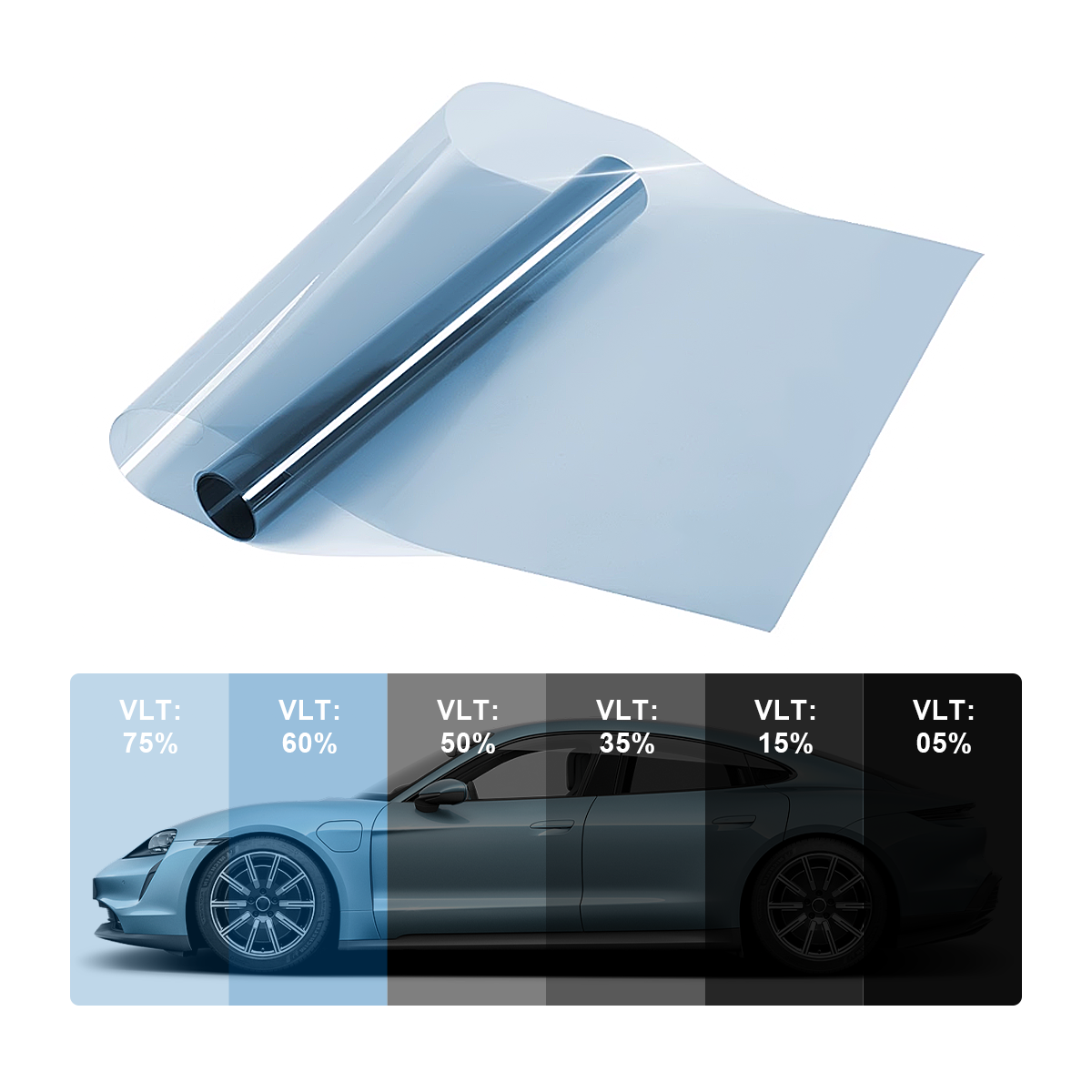
Vehicle customization and protection have evolved significantly with the advancement of vinyl wrap technology, offering automotive enthusiasts and commercial fleet operators an innovative alternative to traditional paint. Modern vinyl wrap solutions combine aesthetic versatility with robust surface protection, enabling vehicle owners to achieve dramatic transformations without the permanence and expense of conventional paint jobs. This technology has revolutionized how individuals and businesses approach vehicle appearance modification, providing a reversible yet durable method to personalize automobiles while safeguarding original factory finishes from environmental damage and wear.
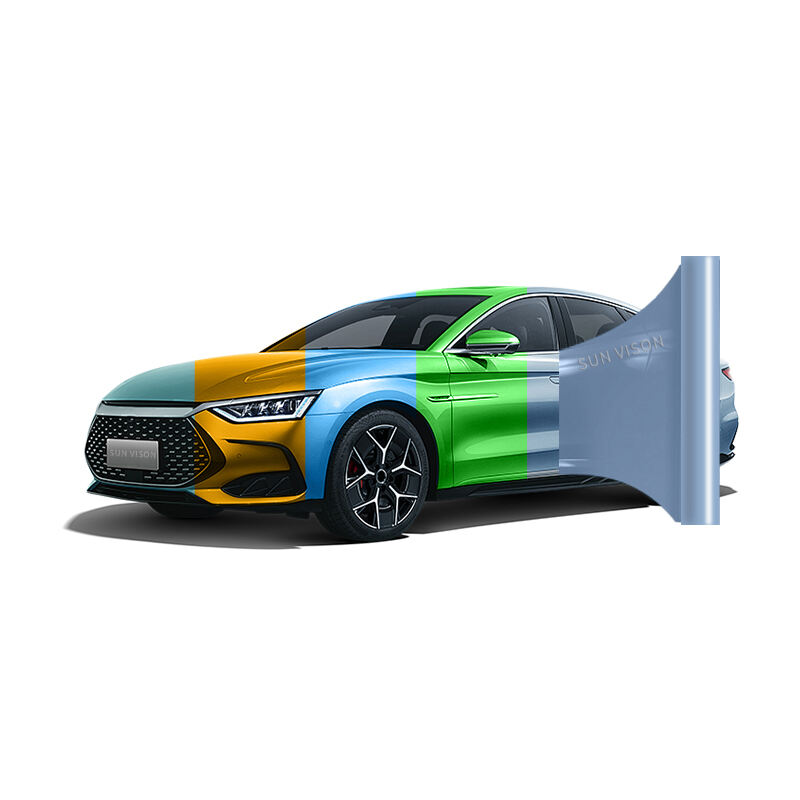
The transformation capabilities of vinyl wrap technology extend far beyond simple color changes, encompassing texture variations, finish options, and comprehensive protection layers that preserve vehicle value over time. Understanding the mechanisms through which vinyl wrap technology delivers both visual transformation and protective benefits requires examining the material science, application processes, and practical advantages that distinguish this approach from traditional automotive surface treatment methods. The integration of advanced polymers and adhesive systems enables vinyl wrap installations to conform seamlessly to complex vehicle contours while maintaining long-term durability under diverse environmental conditions.
Material Composition and Engineering Behind Vinyl Wrap Technology
Advanced Polymer Formulations in Modern Vinyl Wrap Systems
The foundation of effective vinyl wrap technology lies in sophisticated polymer engineering that balances flexibility, durability, and adhesive properties. Contemporary vinyl wrap materials utilize cast vinyl films manufactured through a process that creates thin, conformable sheets with exceptional dimensional stability. These polymers incorporate plasticizers that maintain flexibility across wide temperature ranges, ensuring the material remains pliable during installation while achieving structural integrity once applied. The molecular structure of high-quality vinyl wrap includes ultraviolet stabilizers that prevent degradation from solar radiation, maintaining color vibrancy and material strength throughout the product lifecycle.
The layered construction of professional-grade vinyl wrap typically includes a colored or printed face film, a clear protective topcoat, an adhesive layer, and a release liner. The topcoat layer incorporates specialized compounds that resist scratching, chemical exposure, and environmental contaminants, functioning as the primary barrier between the vehicle surface and external hazards. Advanced vinyl wrap formulations achieve thickness specifications between 2 to 4 millimeters, providing sufficient substance to conceal minor surface imperfections while remaining thin enough to preserve vehicle body lines and design details without adding perceptible bulk.
Adhesive Technology That Enables Removability and Protection
The adhesive system employed in vinyl wrap technology represents a critical innovation that enables both secure attachment and clean removal without damaging underlying paint. Pressure-sensitive adhesives used in quality vinyl wrap products create molecular bonds with vehicle surfaces through van der Waals forces rather than chemical reactions, allowing the material to adhere firmly during service life while remaining removable through controlled application of heat and mechanical force. This adhesive characteristic distinguishes vinyl wrap from permanent surface treatments, providing property owners the flexibility to update vehicle appearance or return to original factory finishes as preferences or business needs evolve.
The micro-textured adhesive patterns found in premium vinyl wrap products facilitate air release during installation, preventing bubble formation that compromises both appearance and protective function. These engineered air channels allow trapped gases to escape laterally as installers apply pressure, ensuring complete contact between the vinyl wrap and vehicle surfaces. The adhesive formulation maintains consistent tack properties across temperature variations, preventing spontaneous lifting in cold conditions or excessive adhesive migration in high-heat environments, thereby ensuring reliable performance throughout seasonal changes and geographic relocations.
Visual Transformation Mechanisms Through Vinyl Wrap Application
Color Change Capabilities and Finish Variations
The most immediately apparent transformation delivered by vinyl wrap technology involves comprehensive color modification without altering the original paint substrate. Vehicle owners can select from virtually unlimited color options, including specialty finishes unavailable through traditional automotive paint systems. Matte, satin, gloss, metallic, chrome, and carbon fiber textures represent just a fraction of available finish options, each delivering distinct visual characteristics that transform vehicle presence and perceived value. The vinyl wrap application process covers all visible painted surfaces, creating uniform color distribution that eliminates the blending challenges inherent in multi-panel paint repairs.
Color-shifting and iridescent vinyl wrap variants incorporate specialized pigment technologies that alter apparent hue based on viewing angle and lighting conditions, creating dynamic visual effects impossible to achieve with conventional paint. These advanced materials contain microscopic reflective particles suspended within the polymer matrix, diffracting light to produce multi-dimensional color presentations. The ability to combine multiple vinyl wrap products on a single vehicle enables custom two-tone and accent treatments, facilitating brand identity expression for commercial fleets or personalized aesthetic statements for individual enthusiasts without the cost and complexity of masked paint applications.
Surface Correction and Aesthetic Enhancement Features
Beyond color transformation, vinyl wrap technology provides a degree of visual surface correction by concealing minor paint imperfections, shallow scratches, and oxidation damage that accumulate during normal vehicle use. The conformable nature of quality vinyl wrap material allows it to bridge small surface irregularities while its opacity masks discoloration and fading present in aged automotive finishes. This corrective capability enables older vehicles to achieve refreshed appearances without the extensive surface preparation required for paint refinishing, reducing both labor costs and project timelines while delivering visually satisfying results.
The uniform thickness and consistent finish characteristics of vinyl wrap eliminate the subtle variations in paint texture and gloss that develop across vehicle panels over time due to differential exposure and maintenance histories. When properly applied across all exterior surfaces, vinyl wrap creates visual continuity that restores the cohesive appearance characteristic of new vehicles. Reflective properties inherent in certain vinyl wrap finishes can enhance perceived vehicle dimensions and body line definition, particularly in specialty finishes like gloss or metallic variants that emphasize contours through controlled light reflection patterns.
Protective Functions of Vinyl Wrap Technology
Barrier Protection Against Environmental Damage
The protective transformation offered by vinyl wrap technology extends significantly beyond aesthetic enhancement, establishing a sacrificial barrier that shields original paint from environmental hazards that cause progressive deterioration. Ultraviolet radiation represents one of the primary threats to automotive finishes, causing polymer chain breakdown in paint that manifests as fading, chalking, and clear coat delamination. High-quality vinyl wrap materials incorporate UV stabilizers that absorb and dissipate solar radiation before it reaches the underlying paint surface, effectively preserving factory finish integrity throughout the vinyl wrap service life, which typically spans five to seven years under normal conditions.
Acid rain, industrial fallout, bird droppings, and tree sap contain corrosive compounds that etch automotive paint, creating permanent surface damage when allowed to remain in contact with clear coat layers. The chemical-resistant topcoat integrated into vinyl wrap construction provides immediate protection against these contaminants, preventing direct contact with paint and allowing easier cleaning without scrubbing that might otherwise abrade clear coat surfaces. This protective function proves particularly valuable in urban and industrial environments where airborne pollutants concentrate, as well as in coastal regions where salt-laden air accelerates paint degradation through oxidation processes.
Impact Resistance and Mechanical Damage Prevention
Vinyl wrap technology transforms vehicle vulnerability to mechanical damage through its ability to absorb and distribute impact energy from minor collisions with road debris, parking lot contacts, and incidental abrasion. The elastic properties of vinyl wrap material allow it to deform under localized stress and return to original shape without permanently marking the underlying paint surface. Stone chips thrown by other vehicles represent a common source of paint damage that vinyl wrap effectively mitigates, with the material accepting the impact and potentially showing minor surface marking while preserving the factory finish beneath completely intact.
The self-healing properties incorporated into certain advanced vinyl wrap formulations enable the material to recover from minor scratches through heat application, either from environmental solar exposure or deliberate application of warm air. This characteristic maintains the protective layer's integrity and appearance even after accumulating surface contact damage that would permanently mar traditional paint. For commercial vehicles subjected to frequent loading operations, tight maneuvering, and high-mileage service, vinyl wrap functions as renewable armor that accepts cosmetic damage while protecting the asset's core finish value, ultimately reducing depreciation and maintaining higher resale potential.
Application Process That Enables Transformation
Surface Preparation Requirements for Optimal Adhesion
The transformation quality achieved through vinyl wrap technology depends fundamentally on thorough surface preparation that removes contaminants and ensures optimal adhesive contact. Professional installation begins with comprehensive vehicle washing using pH-neutral detergents that eliminate road grime, wax residues, and organic materials without leaving chemical films that might compromise adhesion. Following washing, installers perform solvent-based cleaning using isopropyl alcohol or specialized surface preparation solutions that remove silicones, oils, and microscopic contaminants invisible to casual inspection but capable of preventing complete vinyl wrap adhesion.
Paint surface condition assessment precedes vinyl wrap application, with installers evaluating clear coat integrity, existing damage, and surface texture characteristics that might affect material conformability. Paint exhibiting clear coat failure, deep scratches penetrating to primer layers, or excessive oxidation requires corrective treatment before vinyl wrap installation to prevent telegraphing defects through the covering material. This preparation phase may include light compounding to remove oxidation, targeted spot repair of significant damage, and verification that all panels demonstrate adequate adhesion potential to support the mechanical stresses imposed during vinyl wrap application and throughout service life.
Installation Techniques for Complete Coverage and Durability
Professional vinyl wrap installation employs systematic techniques that ensure complete surface coverage, eliminate air entrapment, and achieve the material conformability necessary for long-term durability. Installers work methodically across vehicle surfaces, applying controlled heat through heat guns to increase vinyl wrap pliability and activate adhesive properties while simultaneously using squeegees and specialized tools to remove air and establish intimate contact between material and substrate. Complex curves, recessed areas, and sharp body lines require particular attention, with installers stretching and post-heating the vinyl wrap to achieve permanent conformity without creating stress points that might initiate lifting or delamination.
Seam placement strategy significantly influences both the visual quality and protective integrity of vinyl wrap installations. Professional installers position seams in locations that minimize visibility while avoiding high-stress areas prone to lifting, such as leading edges exposed to direct airflow and water intrusion. Edge treatment involves wrapping vinyl wrap material around panel edges and into door jambs, trunk openings, and hood perimeters to establish mechanical locks that prevent peeling initiation. Post-installation heat treatment using infrared or convection heating systems accelerates adhesive curing and relaxes material memory, reducing the likelihood of edge lifting and ensuring the vinyl wrap achieves its full protective and transformative potential.
Maintenance and Longevity Factors in Vinyl Wrap Performance
Care Protocols That Preserve Appearance and Protection
Maintaining the transformative appearance and protective function of vinyl wrap technology requires adherence to specific care protocols that differ from traditional automotive paint maintenance. Regular washing using pH-neutral soaps and soft microfiber materials prevents accumulation of contaminants that might degrade vinyl wrap topcoat properties or create staining that compromises visual quality. Pressure washing remains acceptable when performed with appropriate nozzle distance and water temperature control, though installers typically recommend hand washing for optimal longevity, particularly around edges and seams where high-pressure water streams might initiate lifting.
Avoiding automatic car washes equipped with stiff brushes represents an important maintenance consideration, as these mechanical cleaning systems can catch vinyl wrap edges and create lifting or tearing damage. Similarly, petroleum-based solvents, abrasive compounds, and harsh chemical cleaners should be avoided in favor of products specifically formulated for vinyl wrap care. Protective treatments including spray sealants designed for vinyl wrap applications can enhance water beading, reduce contaminant adhesion, and provide additional UV protection that extends material service life beyond baseline expectations.
Environmental Factors Affecting Vinyl Wrap Durability
The longevity of vinyl wrap transformation and protection correlates directly with environmental exposure conditions, with outdoor parking, intense solar radiation, and temperature extremes accelerating material aging compared to garage storage and moderate climate conditions. Continuous ultraviolet exposure gradually depletes stabilizers within the vinyl wrap polymer matrix, eventually leading to color fading and loss of flexibility that manifests as cracking or delamination. Vehicles operated in high-altitude or tropical environments experience accelerated UV degradation compared to those in temperate regions with lower solar intensity, potentially reducing vinyl wrap service life by one to two years without compensating protective measures.
Temperature cycling between extreme heat and cold causes expansion and contraction stresses within vinyl wrap materials that can compromise adhesive bonds and create lifting at edges or seams. Materials subjected to sustained high temperatures, such as those experienced on dark-colored vinyl wrap under direct summer sunlight, may experience accelerated plasticizer migration that reduces flexibility and increases brittleness. Conversely, extreme cold can temporarily reduce adhesive tack and material conformability, making vinyl wrap more susceptible to impact damage during winter months. Understanding these environmental influences enables vehicle owners to implement appropriate protective strategies, including covered parking when possible and selection of vinyl wrap products specifically engineered for anticipated exposure conditions.
Economic and Practical Advantages of Vinyl Wrap Technology
Cost Comparison With Traditional Paint Refinishing
Vinyl wrap technology transforms the economics of vehicle appearance modification by delivering comprehensive color changes at costs substantially lower than complete paint refinishing. Professional paint jobs requiring disassembly, extensive surface preparation, primer application, multiple color coats, clear coat layers, and reassembly typically cost two to three times the investment required for full vehicle vinyl wrap installation. The time factor also favors vinyl wrap applications, with complete vehicle coverage achievable in two to four days compared to one to two weeks for paint projects, reducing both labor costs and vehicle downtime for commercial operators dependent on fleet availability.
The reversibility inherent in vinyl wrap technology provides economic advantages absent from paint modifications, particularly for leased vehicles, fleet assets scheduled for disposal, and enthusiast vehicles where resale value preservation remains paramount. Removing vinyl wrap returns the vehicle to its original factory appearance without the value reduction associated with non-original paint colors that limit buyer appeal. This characteristic enables businesses to maintain brand-consistent fleet appearances through corporate color schemes while preserving maximum asset value when vehicles reach disposal age, effectively making the initial vinyl wrap investment a protective measure rather than a depreciating modification.
Flexibility and Adaptability for Changing Needs
The transformative nature of vinyl wrap technology extends beyond initial application to encompass ongoing adaptability that accommodates evolving aesthetic preferences, changing business branding requirements, and damage repair scenarios. Unlike permanent paint modifications, vinyl wrap enables vehicle owners to update colors and finishes every few years without accumulating the compounding costs associated with repeated paint jobs. This flexibility particularly benefits businesses undergoing rebranding initiatives, allowing complete fleet appearance updates synchronized with marketing campaigns without disposing of serviceable vehicles or tolerating extended transition periods with mixed branding presentations.
Localized vinyl wrap repair represents another practical advantage, with damaged sections replaceable without affecting surrounding areas or requiring complete vehicle re-coverage. When a specific panel sustains damage sufficient to compromise the vinyl wrap, installers can remove and replace only the affected section, often achieving imperceptible color and finish matching with existing material from the same production batch. This repair capability reduces maintenance costs compared to paint damage requiring complete panel refinishing and blending into adjacent surfaces to achieve acceptable color match. The modular nature of vinyl wrap coverage transforms long-term vehicle appearance management from an all-or-nothing proposition into a flexible maintenance program responsive to actual condition and specific needs.
FAQ
How long does vinyl wrap typically last on vehicles?
Professional-grade vinyl wrap installations typically maintain optimal appearance and protective function for five to seven years under normal conditions, with longevity influenced by environmental exposure, maintenance practices, and material quality. Vehicles stored indoors or in covered conditions, operated in moderate climates, and maintained with appropriate cleaning protocols can exceed seven-year service life, while those subjected to intense sun exposure, harsh weather, and minimal maintenance may show degradation within three to four years. The protective benefits continue throughout the vinyl wrap service life, with gradual aesthetic decline typically manifesting as minor fading or loss of initial gloss before structural integrity becomes compromised.
Can vinyl wrap be applied over existing paint damage?
Vinyl wrap can be applied over minor paint imperfections such as shallow scratches, light oxidation, and small chips, often concealing these defects and improving overall appearance while providing protection against further deterioration. However, significant paint damage including deep scratches penetrating to bare metal, clear coat delamination, rust formation, or extensive oxidation requires corrective treatment before vinyl wrap application to ensure proper adhesion and prevent defect telegraphing through the covering material. Professional installers assess existing paint condition during consultation and recommend necessary preparation work to achieve optimal vinyl wrap performance and appearance, balancing immediate cost considerations against long-term installation quality and durability.
Does vinyl wrap damage original vehicle paint during removal?
Properly applied and removed vinyl wrap does not damage factory automotive paint in good condition, with the pressure-sensitive adhesive system designed specifically for clean removal without leaving residue or affecting clear coat integrity. The removal process involves applying controlled heat to soften adhesive bonds and carefully peeling vinyl wrap at acute angles that minimize stress on underlying paint surfaces. However, paint already compromised by clear coat failure, excessive age, or poor-quality aftermarket refinishing may experience lifting or damage during vinyl wrap removal, highlighting the importance of paint condition assessment before initial installation and professional removal services that employ appropriate techniques and equipment.
Can vinyl wrap provide the same protection as clear paint protection film?
Vinyl wrap and dedicated clear paint protection film serve complementary but distinct functions, with vinyl wrap offering color transformation combined with moderate protection, while clear film prioritizes maximum impact resistance and self-healing properties without altering vehicle appearance. Standard vinyl wrap provides effective barrier protection against environmental contaminants, UV radiation, and minor abrasion, though it typically offers less impact resistance than specialized protection films engineered specifically for stone chip and scratch prevention. Some vehicle owners combine both technologies, applying clear protection film to high-impact areas like front bumpers and hood leading edges while using vinyl wrap for comprehensive color change and protection across remaining surfaces, creating layered defense that maximizes both aesthetic transformation and surface preservation.
Table of Contents
- Material Composition and Engineering Behind Vinyl Wrap Technology
- Visual Transformation Mechanisms Through Vinyl Wrap Application
- Protective Functions of Vinyl Wrap Technology
- Application Process That Enables Transformation
- Maintenance and Longevity Factors in Vinyl Wrap Performance
- Economic and Practical Advantages of Vinyl Wrap Technology
- FAQ