 EN
EN
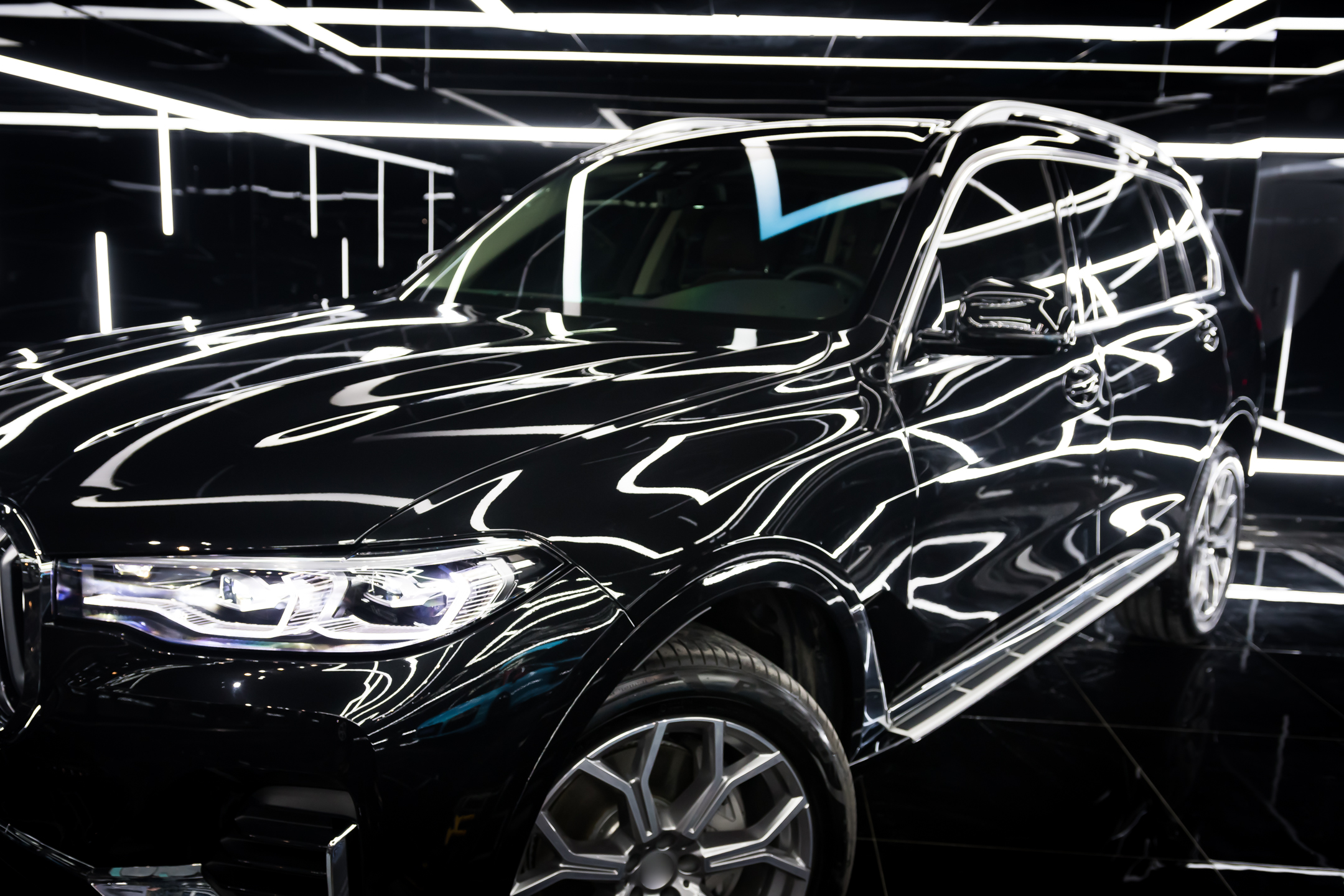
Traditional paint protection film has long served as the industry standard for safeguarding automotive surfaces from scratches, chips, and environmental damage. However, the emergence of color ppf has fundamentally transformed how vehicle owners approach both protection and aesthetics, introducing capabilities that extend far beyond conventional clear film applications.
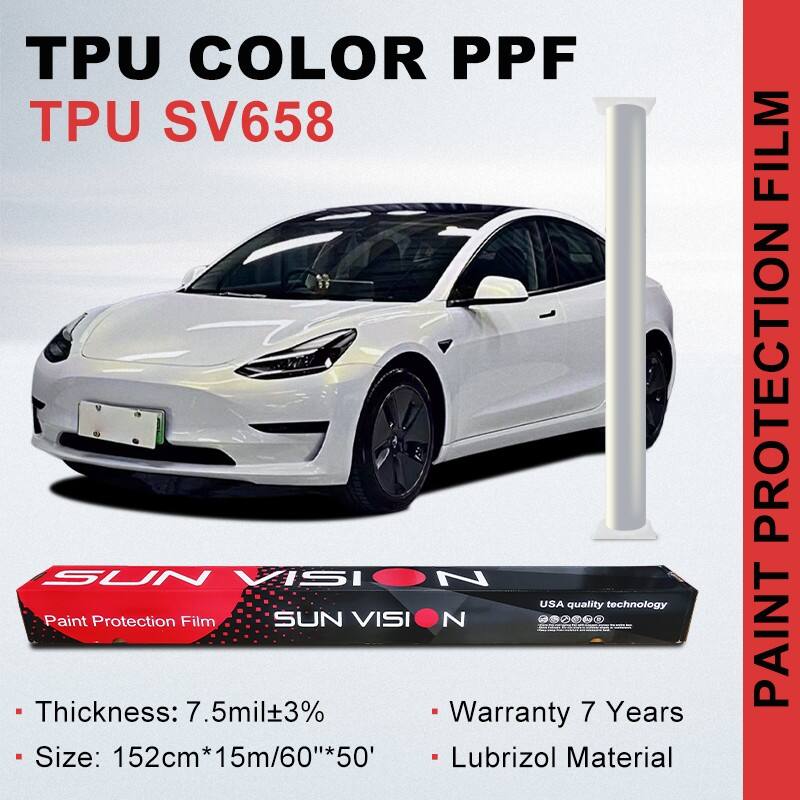
The distinction between color ppf and traditional paint protection film represents a significant evolution in automotive surface technology, combining protective functionality with transformative visual enhancement. This dual-purpose approach addresses the growing demand for customization options that deliver both practical benefits and aesthetic appeal, establishing new standards for what paint protection can achieve.
Material Composition and Construction Differences
Advanced Polymer Technology in Color PPF
Color ppf utilizes sophisticated multi-layer polymer construction that integrates pigmentation directly into the film matrix, creating a fundamentally different material structure compared to traditional clear films. This advanced composition incorporates specialized colorants and optical enhancers within thermoplastic urethane layers, ensuring color stability and durability under various environmental conditions.
The manufacturing process for color ppf involves precision coating techniques that embed color particles at specific depths within the film structure. This approach maintains the protective properties of traditional paint protection film while introducing controlled color variation capabilities that can shift appearance based on viewing angle and lighting conditions.
Traditional paint protection films rely on transparent urethane formulations designed exclusively for protection without aesthetic modification. The absence of colorants in conventional films allows maximum light transmission and maintains the original paint appearance, but limits customization possibilities to clear protective coverage only.
Thickness and Layering Specifications
Color ppf typically measures between 8 to 12 mils in thickness, incorporating additional layers necessary for color integration and optical effects. These extra layers include specialized adhesive formulations that accommodate the thermal expansion properties of colored materials while maintaining long-term bond integrity with automotive surfaces.
The layered construction of color ppf includes distinct zones for color presentation, protective functionality, and adhesion performance. Each layer serves specific purposes in delivering both visual transformation and physical protection, requiring precise manufacturing tolerances to ensure consistent performance across the entire film surface.
Traditional films maintain simpler three-layer construction consisting of protective topcoat, urethane core, and pressure-sensitive adhesive. This streamlined approach prioritizes transparency and protection over aesthetic modification, resulting in thinner overall profiles that minimize visual impact on original paint finishes.
Optical Properties and Visual Performance
Color-Shifting Technology Implementation
The optical behavior of color ppf represents its most distinctive characteristic, utilizing interference patterns and light manipulation to create dynamic visual effects. Advanced color ppf incorporates microscopic metallic particles and specialized coatings that interact with incident light to produce color variations ranging from subtle shifts to dramatic transformations.
This color-changing capability stems from precise control over light refraction and reflection within the film structure. The technology manipulates specific wavelengths to emphasize different portions of the visible spectrum depending on viewing angle, creating appearances that can transition between complementary or contrasting colors as observers move around the vehicle.
Traditional paint protection films maintain consistent optical clarity without color modification effects. The transparent nature of conventional films preserves original paint characteristics while providing protection, but offers no enhancement or customization of vehicle appearance beyond maintaining existing aesthetics.
Light Transmission and Reflection Characteristics
Color ppf exhibits controlled light transmission properties that balance protective functionality with visual enhancement goals. The film selectively filters and redirects specific wavelengths while maintaining sufficient transparency to preserve underlying surface details and depth perception in the protected areas.
Reflection characteristics of color ppf vary significantly based on surface preparation and application techniques. Proper installation ensures optimal optical performance by eliminating air bubbles and contaminants that could interfere with intended light interaction patterns, maintaining consistent color presentation across large surface areas.
The reflective properties contribute to both aesthetic appeal and practical benefits, as certain color ppf formulations can reduce heat absorption compared to darker original paint colors. This thermal management capability represents an additional advantage over traditional clear films that provide no modification to heat absorption characteristics.
Installation Requirements and Application Procedures
Surface Preparation Protocols
Installing color ppf demands enhanced surface preparation procedures compared to traditional film applications, as color consistency requires perfectly clean and uniform substrate conditions. Any contamination or surface irregularities become more visible under colored films, necessitating comprehensive decontamination and polishing steps prior to application.
The preparation process for color ppf installation includes specialized cleaning agents designed to remove residues that might interfere with optical properties. Paint correction procedures may be required to eliminate swirl marks or minor imperfections that could affect color uniformity across the protected surface area.
Temperature and humidity control during installation becomes critical for color ppf applications, as environmental conditions can influence adhesive activation and color development. Installation facilities must maintain consistent conditions to ensure proper film conformability and optimal color presentation throughout the curing process.
Conformability and Stretch Characteristics
Color ppf exhibits different conformability properties compared to traditional films due to the additional material layers and color-affecting components. The stretch characteristics must accommodate both protective requirements and optical performance needs, requiring careful tension management during installation around complex curves and contours.
Advanced color ppf formulations incorporate memory properties that allow controlled stretching without compromising color uniformity or optical effects. This capability enables installation over challenging surfaces while maintaining consistent appearance, though installation techniques may require modification compared to conventional film handling procedures.
The heating requirements for color ppf installation often differ from traditional films, as excessive heat can affect color stability or optical properties. Installation technicians must balance conformability needs with thermal limitations to achieve proper adhesion without compromising the advanced features that distinguish color ppf from conventional alternatives.
Durability and Performance Characteristics
Weather Resistance and Environmental Protection
Color ppf must maintain both protective performance and color stability under prolonged exposure to environmental stressors including ultraviolet radiation, temperature cycling, and chemical exposure. The integration of colorants and optical components requires enhanced stabilization compared to traditional clear films to prevent fading or color shift over time.
UV resistance in color ppf involves specialized additives that protect both the protective polymer matrix and the color-generating components from degradation. This dual protection requirement necessitates more complex formulations that balance optical properties with long-term durability under harsh environmental conditions.
Chemical resistance properties of color ppf must account for potential interactions between environmental contaminants and color-affecting materials within the film structure. Advanced formulations incorporate barrier layers and chemical-resistant topcoats to maintain both protective functionality and aesthetic performance throughout the expected service life.
Self-Healing Properties and Maintenance Requirements
Many color ppf products incorporate self-healing capabilities that allow minor scratches and surface damage to disappear through heat activation, similar to traditional films but with additional considerations for maintaining color uniformity during the healing process. The self-healing mechanism must preserve optical properties while restoring surface smoothness.
Maintenance procedures for color ppf require specialized approaches that protect both the protective qualities and the aesthetic features of the film. Cleaning products and techniques must be compatible with color-generating components to prevent damage to optical effects while maintaining the protective barrier function.
Long-term performance monitoring for color ppf involves assessment of both protective effectiveness and color stability over time. Regular evaluation helps identify any degradation in optical properties or protective capabilities, enabling proactive maintenance to preserve both functional and aesthetic benefits throughout the film's service life.
FAQ
Does color PPF provide the same level of protection as traditional clear paint protection film?
Yes, quality color ppf delivers equivalent protective performance to traditional films while adding aesthetic enhancement capabilities. The multi-layer construction maintains the same impact resistance, scratch protection, and environmental barrier functions as conventional clear films, with the added benefit of visual customization options.
Will the color-changing effects of color PPF fade or diminish over time?
High-quality color ppf incorporates UV-stable pigments and optical components designed to maintain color-shifting effects throughout the expected service life. While some subtle changes may occur over many years of exposure, premium formulations retain their distinctive optical properties for 5-7 years under normal environmental conditions with proper maintenance.
Can color PPF be removed without damaging the original paint underneath?
Color ppf uses similar adhesive technology to traditional films and can be safely removed without paint damage when proper techniques are employed. The removal process may require slightly different heating and pulling procedures due to the additional material layers, but professional removal maintains the same paint-safe characteristics as conventional paint protection films.
Is color PPF more expensive to install than traditional paint protection film?
Color ppf typically costs 20-40% more than traditional clear films due to the advanced materials and manufacturing processes required for color-changing capabilities. Installation costs may also be slightly higher due to the enhanced surface preparation requirements and specialized handling techniques needed to achieve optimal optical performance and color uniformity.
Table of Contents
- Material Composition and Construction Differences
- Optical Properties and Visual Performance
- Installation Requirements and Application Procedures
- Durability and Performance Characteristics
-
FAQ
- Does color PPF provide the same level of protection as traditional clear paint protection film?
- Will the color-changing effects of color PPF fade or diminish over time?
- Can color PPF be removed without damaging the original paint underneath?
- Is color PPF more expensive to install than traditional paint protection film?