
 EN
EN
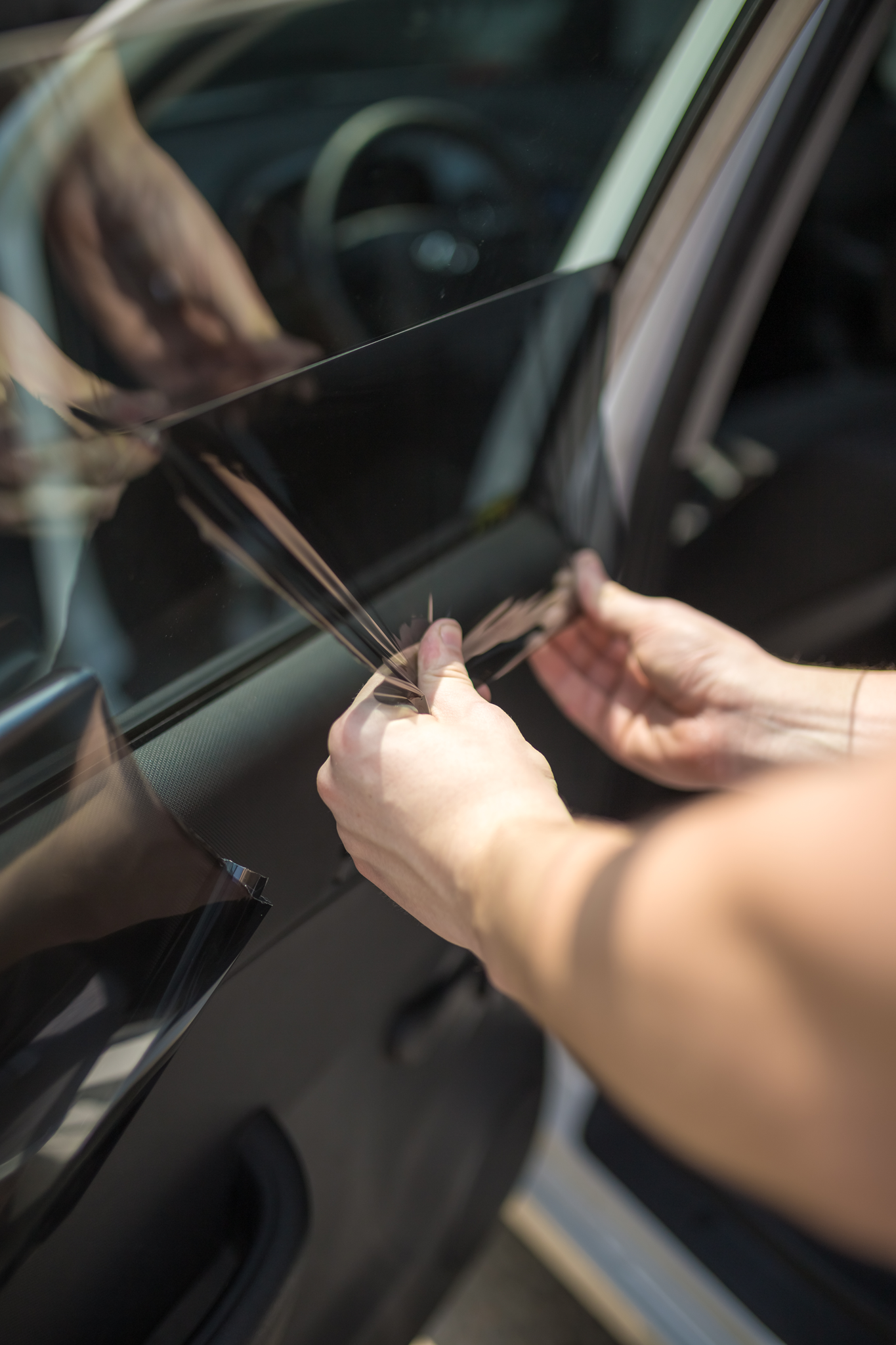
When vehicles face harsh driving conditions, the factory paint becomes vulnerable to stone chips, road salt, UV radiation, and environmental contaminants that can cause permanent damage within months of exposure. Color PPF provides a revolutionary solution by adding a protective barrier that maintains the vehicle's appearance while offering superior resistance to these challenging conditions. This advanced film technology has transformed how automotive enthusiasts and professional fleet operators approach vehicle protection in demanding environments.
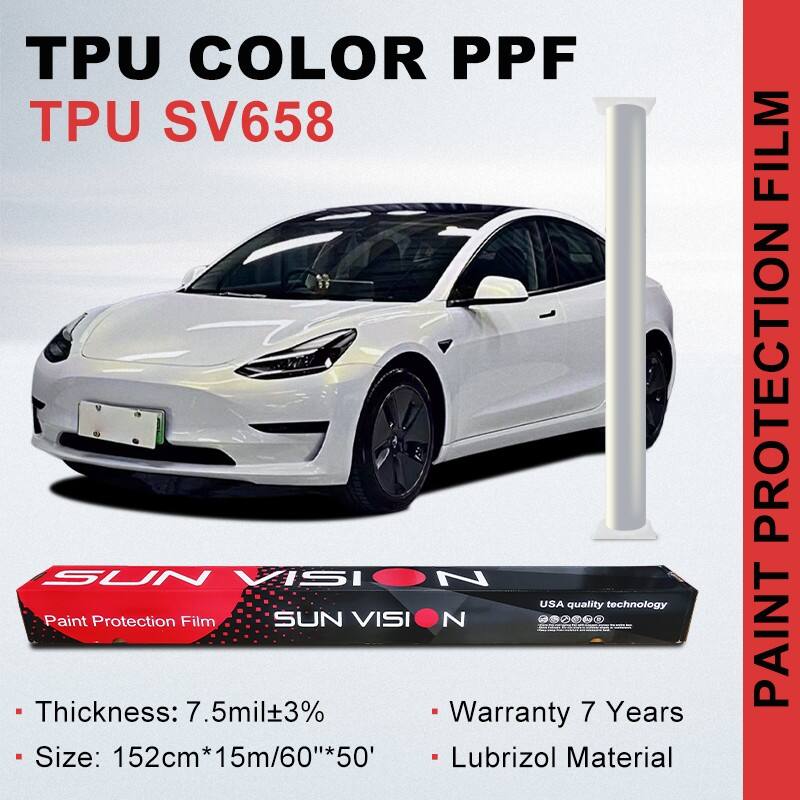
The effectiveness of color PPF in harsh conditions stems from its multi-layered construction and chemical composition designed specifically to withstand extreme environmental stresses. Unlike traditional protection methods that may offer limited coverage or durability, color PPF creates a comprehensive shield that adapts to various surface contours while maintaining optical clarity and aesthetic enhancement. Understanding how this technology responds to specific harsh driving scenarios enables vehicle owners to make informed decisions about long-term paint preservation strategies.
Enhanced Durability Against Physical Impact Damage
Stone Chip and Debris Resistance
Color PPF excels in harsh driving conditions by absorbing and distributing the energy from flying debris that would otherwise create permanent paint damage. The thermoplastic urethane construction allows the film to flex upon impact, preventing stone chips from penetrating to the underlying paint surface. This self-healing property becomes particularly valuable on construction sites, mountain roads, and highway driving where loose gravel and debris pose constant threats to vehicle aesthetics.
The impact resistance of color PPF significantly outperforms factory paint when exposed to high-velocity particles common in harsh environments. Professional testing demonstrates that quality color PPF can withstand impacts that would create visible chips in unprotected paint, making it essential for vehicles operating in mining areas, rural construction zones, or regions with frequent road maintenance activities.
Scratch Prevention from Vegetation and Objects
Dense vegetation, low-hanging branches, and narrow passages create scratching hazards that color PPF effectively mitigates through its sacrificial layer approach. The film's surface hardness prevents light scratches from reaching the paint while its thickness provides cushioning against deeper contact damage. This protection proves invaluable for off-road enthusiasts, delivery vehicles navigating tight spaces, and any application where vehicle contact with objects cannot be completely avoided.
Recovery from superficial scratches occurs naturally with color PPF through heat activation, either from sunlight or warm water application. This self-healing capability ensures that the protective film maintains its appearance and effectiveness even after repeated exposure to scratching hazards, eliminating the need for frequent replacement or repair interventions that would be necessary with conventional protection methods.
Superior Chemical and Environmental Resistance
Protection Against Road Salt and De-icing Chemicals
Winter driving conditions expose vehicles to corrosive road salt and chemical de-icing agents that can quickly degrade paint finishes and create lasting damage. Color PPF forms a chemical-resistant barrier that prevents these aggressive substances from making direct contact with the paint surface. The film's non-porous structure blocks penetration while allowing easy removal of salt residue through regular washing.
Long-term exposure to road chemicals often results in paint etching and discoloration that requires expensive refinishing to correct. Color PPF eliminates this concern by maintaining its integrity even under constant chemical exposure, ensuring that the underlying paint remains pristine regardless of winter driving frequency or intensity. Fleet operators in harsh winter climates report significantly reduced maintenance costs and extended vehicle appearance lifecycles when using quality color PPF systems.
UV Radiation and Oxidation Prevention
Harsh driving conditions often involve extended exposure to intense sunlight that causes paint oxidation, color fading, and surface degradation over time. Color PPF incorporates UV-blocking additives that filter harmful radiation while maintaining optical transparency, preventing the photochemical reactions that lead to paint deterioration. This protection becomes critical for vehicles operating in desert environments, high-altitude locations, or regions with intense solar exposure.
The anti-oxidation properties of color PPF extend beyond UV protection to include resistance against environmental pollutants and airborne contaminants that accelerate paint aging. By creating a stable barrier between these harmful elements and the paint surface, color PPF preserves the original finish quality and color vibrancy for years longer than unprotected surfaces would maintain under similar conditions.
Temperature Resilience and Thermal Stability
Extreme Heat Performance
High-temperature environments challenge traditional protective coatings, but color PPF maintains its protective properties and appearance across extreme temperature ranges. The thermoplastic urethane material retains flexibility and adhesion even when subjected to desert heat, industrial environments, or prolonged direct sunlight exposure. This thermal stability ensures consistent protection without delamination, bubbling, or performance degradation that affects lesser protection systems.
Professional-grade color PPF demonstrates superior heat resistance compared to alternative protection methods, maintaining bond strength and optical clarity even under sustained high-temperature exposure. This reliability proves essential for commercial vehicles, emergency services, and specialized applications where equipment must perform consistently regardless of environmental temperature fluctuations.
Cold Weather Flexibility and Adhesion
Cold weather presents unique challenges for vehicle protection systems, as many materials become brittle and lose effectiveness at low temperatures. Color PPF retains its flexibility and protective characteristics even in extreme cold, preventing crack formation and maintaining complete surface coverage. This cold-weather performance ensures year-round protection for vehicles operating in northern climates or specialized cold-storage applications.
The adhesive system used in quality color PPF maintains bonding strength across the entire temperature spectrum, preventing edge lifting or film separation that could compromise protection effectiveness. This temperature resilience eliminates seasonal maintenance concerns and provides confidence in protection consistency regardless of weather conditions or geographic location.
Maintenance Advantages in Challenging Environments
Simplified Cleaning and Contamination Removal
Harsh driving conditions expose vehicles to contaminants like mud, oil, industrial dust, and organic matter that can permanently stain or damage unprotected paint surfaces. Color PPF creates a non-stick surface that prevents contaminants from bonding permanently, allowing easy removal through standard washing procedures. This characteristic significantly reduces cleaning time and eliminates the need for aggressive cleaning products that might damage conventional paint finishes.
The smooth surface texture of color PPF prevents contaminant penetration while maintaining water-shedding properties that assist in self-cleaning during rain exposure. Professional operators report substantial time savings in vehicle maintenance when color PPF protection is properly applied, as stubborn contaminants that would typically require special removal procedures can be eliminated through routine washing protocols.
Long-term Appearance Preservation
Maintaining vehicle appearance in harsh conditions typically requires frequent polishing, waxing, and touch-up procedures that consume time and resources while providing only temporary protection. Color PPF eliminates most appearance maintenance requirements by preserving the original finish quality beneath its protective layer. When replacement becomes necessary after years of service, removing the film reveals paint in like-new condition.
The economic benefits of reduced maintenance extend beyond direct cost savings to include reduced vehicle downtime and eliminated refinishing requirements. Fleet managers consistently report improved asset values and extended service life for vehicles protected with color PPF, particularly those operating in harsh industrial, construction, or extreme weather environments where unprotected vehicles require frequent cosmetic interventions.
FAQ
How long does color PPF last in harsh driving conditions?
Quality color PPF typically provides effective protection for 7-10 years even under harsh driving conditions, with some premium formulations offering warranties extending beyond this timeframe. The actual lifespan depends on specific environmental factors, but the film maintains its protective properties throughout its service life, often outlasting the original vehicle ownership period.
Can color PPF be applied to vehicles already showing paint damage from harsh conditions?
Color PPF can be applied over existing paint damage, but optimal results require paint correction prior to installation. The film will preserve the current condition of the paint surface, so addressing existing chips, scratches, or oxidation before application ensures maximum aesthetic and protective benefits. Professional assessment can determine the best approach for each specific situation.
Does color PPF affect vehicle resale value when operating in harsh conditions?
Vehicles protected with color PPF typically command higher resale values due to superior paint condition preservation, particularly when the operational history includes harsh driving conditions. The protection investment often pays for itself through improved asset retention, reduced maintenance costs, and enhanced marketability when the vehicle is sold or traded.
Is professional installation necessary for color PPF in harsh environment applications?
Professional installation is strongly recommended for vehicles operating in harsh conditions, as proper application techniques ensure maximum durability and performance. Experienced installers understand how to address challenging surface contours and environmental factors that affect film longevity, providing superior results compared to DIY applications in demanding service environments.
Table of Contents
- Enhanced Durability Against Physical Impact Damage
- Superior Chemical and Environmental Resistance
- Temperature Resilience and Thermal Stability
- Maintenance Advantages in Challenging Environments
-
FAQ
- How long does color PPF last in harsh driving conditions?
- Can color PPF be applied to vehicles already showing paint damage from harsh conditions?
- Does color PPF affect vehicle resale value when operating in harsh conditions?
- Is professional installation necessary for color PPF in harsh environment applications?