 EN
EN
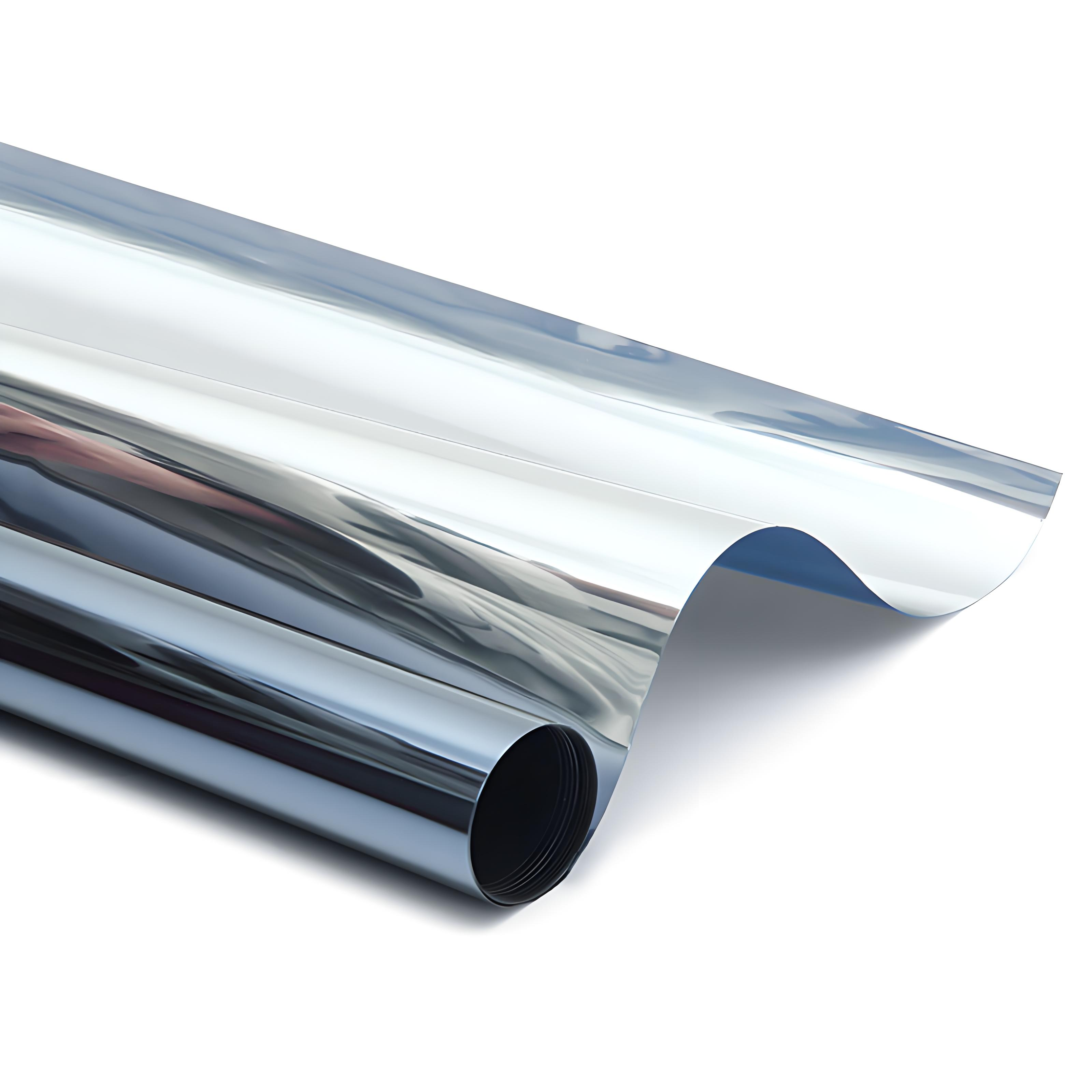
Home makeovers have become increasingly popular as homeowners seek cost-effective ways to refresh their living spaces without extensive renovations. One versatile solution gaining significant traction in the interior design world is decoration film, a revolutionary material that offers endless possibilities for transforming surfaces throughout your home. This innovative product allows property owners to achieve stunning visual transformations while maintaining budget consciousness and minimizing disruption to daily life.
The concept of decoration film extends far beyond simple wallpaper or traditional covering materials. These advanced films represent a sophisticated approach to interior design that combines aesthetic appeal with practical functionality. Modern decoration film products utilize cutting-edge adhesive technologies and durable materials that can withstand daily wear while providing exceptional visual impact. Understanding both the advantages and limitations of this material helps homeowners make informed decisions about incorporating decoration film into their renovation projects.
Understanding Decoration Film Technology
Material Composition and Manufacturing
Contemporary decoration film consists of multiple layers designed to provide optimal performance and longevity. The base layer typically features a durable polymer substrate that provides structural integrity and flexibility. Advanced manufacturing processes ensure that decoration film maintains consistent thickness and adhesive properties across large surface areas. These films often incorporate UV-resistant compounds that prevent fading and discoloration when exposed to natural sunlight over extended periods.
The surface layer of quality decoration film undergoes specialized treatments to achieve desired textures, finishes, and visual effects. Some products feature embossed patterns that mimic natural materials like wood grain, stone textures, or metallic finishes. Others utilize digital printing technologies to create photorealistic images or complex geometric patterns. The adhesive layer represents perhaps the most critical component, as it must provide strong initial tack while allowing for repositioning during installation and clean removal when necessary.
Application Versatility and Surface Compatibility
Modern decoration film demonstrates remarkable versatility in terms of compatible surfaces and application methods. These materials adhere effectively to smooth surfaces including painted walls, glass, metal, and certain plastic substrates. The conformable nature of quality decoration film allows it to follow gentle curves and contours, making it suitable for applications beyond flat wall surfaces. Cabinet faces, furniture panels, and architectural elements can all benefit from decoration film treatments.
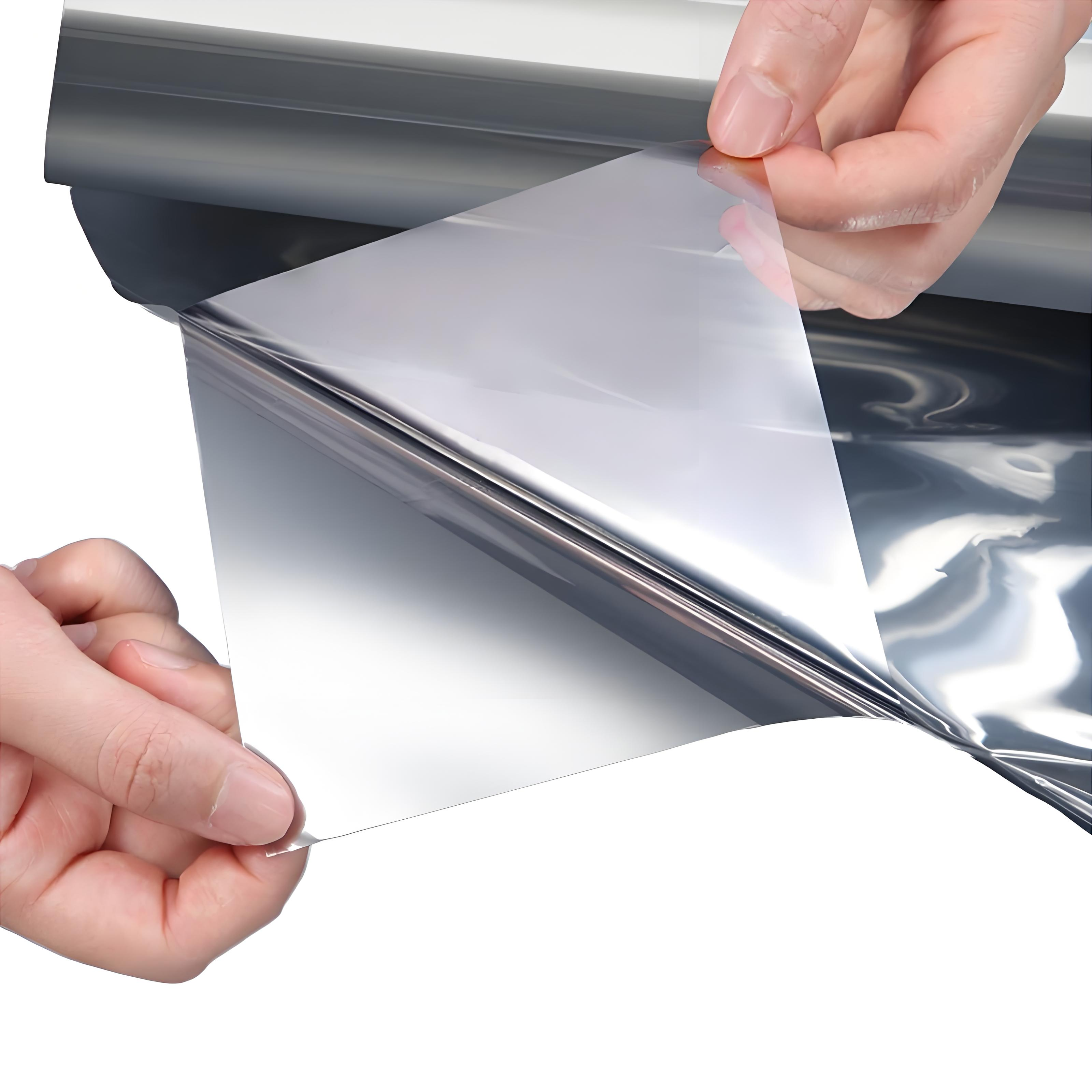
Installation techniques for decoration film have evolved to accommodate both professional contractors and skilled DIY enthusiasts. Wet application methods utilize soapy water solutions to allow positioning adjustments before final adhesion. Dry application techniques rely on careful alignment and gradual adhesive activation. The choice between methods depends on film type, surface conditions, and installer experience level. Proper surface preparation remains crucial regardless of application method chosen.
Advantages of Decoration Film Implementation
Cost-Effectiveness and Budget Management
One of the most compelling advantages of decoration film lies in its exceptional cost-effectiveness compared to traditional renovation approaches. Replacing cabinet doors, refinishing furniture, or installing natural stone surfaces requires significant material and labor investments. In contrast, decoration film achieves similar visual transformations at a fraction of the cost while requiring minimal specialized tools or equipment.
The economic benefits extend beyond initial purchase price to include reduced labor costs and shorter project timelines. Professional installation of decoration film typically requires fewer person-hours than comparable renovation projects. DIY-friendly products allow homeowners to complete projects themselves, further reducing overall expenses. Additionally, decoration film eliminates costs associated with surface preparation work like sanding, priming, or extensive cleaning required for painting or refinishing projects.
Design Flexibility and Creative Expression
Decoration film opens unprecedented opportunities for creative expression and design experimentation. The vast array of available patterns, textures, and finishes enables homeowners to achieve looks that would be impossible or prohibitively expensive using traditional materials. Metallic finishes, exotic wood grains, marble patterns, and custom graphics become accessible options for any room in the house.
The temporary nature of decoration film encourages bold design choices that homeowners might avoid with permanent materials. Seasonal updates, themed decorating, or trend-following becomes practical and affordable. Parents can create engaging children's spaces with confidence, knowing that decoration film can be updated as preferences change. This flexibility proves particularly valuable in rental properties where permanent modifications may not be permitted.
Installation Convenience and Time Efficiency
Traditional renovation projects often disrupt household routines for days or weeks while work progresses. Decoration film installation typically completes much faster, minimizing disruption to daily life. Most residential applications can be completed in single day sessions, allowing families to maintain normal routines throughout the project timeline.
The clean installation process of decoration film eliminates many common renovation hassles. No sanding dust, paint fumes, or chemical odors affect indoor air quality during application. Furniture and belongings require minimal protection compared to painting or refinishing projects. Clean-up involves simple removal of backing paper and basic surface wiping, dramatically reducing post-project cleaning requirements.
Limitations and Potential Drawbacks
Durability Considerations and Lifespan
While decoration film offers excellent short to medium-term performance, it may not match the longevity of traditional materials in high-traffic applications. Kitchen cabinets, bathroom surfaces, and frequently handled furniture may show wear patterns or edge lifting over time. The adhesive bond can weaken with repeated cleaning, temperature fluctuations, or exposure to moisture, particularly in environments with high humidity levels.
Quality decoration film products typically provide reliable performance for three to seven years depending on application conditions and maintenance practices. However, premium traditional finishes like quality paint systems or natural wood treatments may last decades with proper care. Homeowners must weigh initial cost savings against potential replacement frequency when evaluating decoration film for long-term applications.
Surface Preparation Requirements
Successful decoration film installation depends heavily on proper surface preparation, which can be more demanding than initially apparent. Surfaces must be completely clean, dry, and free from oils, waxes, or other contaminants that could interfere with adhesion. Textured surfaces may require smoothing or filling to achieve optimal results, potentially negating some of the convenience advantages.
Existing finishes may be incompatible with decoration film adhesives, requiring removal or special primer application before installation. Glossy painted surfaces often need light sanding to improve adhesion. These preparation requirements can add time and complexity to projects, particularly when dealing with older surfaces or unknown coating systems.
Application Skill Requirements
While decoration film manufacturers market their products as DIY-friendly, achieving professional-quality results requires patience, attention to detail, and proper technique. Air bubbles, wrinkles, or misalignment issues can compromise both appearance and longevity. Complex shapes, corners, and edges present particular challenges that may require specialized tools or techniques.
Temperature and humidity conditions during installation significantly affect decoration film performance. Cold temperatures make films less flexible and harder to conform to surfaces. High humidity can interfere with adhesive curing. Homeowners in challenging climates may need to plan installation timing carefully or consider professional installation services.
Best Practices for Decoration Film Success
Surface Selection and Preparation
Choosing appropriate surfaces for decoration film application maximizes project success and longevity. Smooth, stable surfaces provide the best foundation for long-lasting adhesion. Avoid applying decoration film over surfaces that experience significant expansion and contraction, as this can cause premature failure. Clean all surfaces thoroughly with appropriate cleaners and allow complete drying before installation begins.
Test decoration film compatibility on inconspicuous areas before full application, particularly when working with unknown surface coatings or materials. Some finishes may react chemically with film adhesives or prove difficult to remove later. Document successful preparation methods for future reference when working on similar surfaces throughout the home.
Installation Techniques and Environmental Control
Maintain optimal environmental conditions during decoration film installation to ensure proper adhesive activation and film conformability. Room temperature between 65-75°F with moderate humidity levels provides ideal working conditions. Use appropriate tools including squeegees, heat guns, and trimming knives designed specifically for film installation work.
Work systematically from one edge to another, removing air bubbles and ensuring complete contact as installation progresses. Take breaks periodically to assess progress and make corrections before adhesive fully cures. Apply consistent pressure during installation but avoid excessive force that could stretch or damage the decoration film material.
Maintenance and Longevity Optimization
Cleaning and Care Protocols
Proper maintenance significantly extends decoration film lifespan and maintains appearance quality over time. Use mild, non-abrasive cleaning solutions and soft cloths to remove dirt and grime without damaging the film surface. Avoid harsh chemicals, solvents, or abrasive cleaning tools that could compromise the decoration film integrity or cause discoloration.
Establish regular cleaning schedules appropriate for each application area. Kitchen decoration film installations may require more frequent cleaning than bedroom or living room applications. Address spills and stains promptly to prevent permanent marking or adhesive degradation around affected areas.
Monitoring and Preventive Measures
Regular inspection of decoration film installations helps identify potential issues before they become major problems. Look for edge lifting, bubble formation, or discoloration that could indicate adhesive failure or surface preparation problems. Address minor issues promptly with appropriate repair techniques or professional consultation.
Protect decoration film from excessive heat, sharp objects, and prolonged moisture exposure whenever possible. Use coasters, placemats, and other protective accessories in high-use areas. Consider applying clear protective films over decoration film in areas subject to heavy wear or potential damage from daily activities.
FAQ
How long does decoration film typically last in residential applications
Quality decoration film installations typically provide reliable performance for three to seven years in residential environments, depending on application location, usage patterns, and maintenance practices. Kitchen and bathroom applications may experience shorter lifespans due to higher moisture and temperature exposure, while bedroom and living room installations often exceed average expectations. Proper surface preparation, professional installation techniques, and regular maintenance significantly impact overall longevity.
Can decoration film be safely removed without damaging underlying surfaces
Most modern decoration film products utilize removable adhesive systems designed to release cleanly from properly prepared surfaces. Gentle heat application and slow, steady peeling typically removes films without residue or surface damage. However, removal success depends on surface type, installation age, and environmental exposure during service life. Test removal techniques on small, inconspicuous areas before attempting full removal projects.
What surface types are not suitable for decoration film application
Decoration film performs poorly on highly textured surfaces, unsealed wood, fabric, or surfaces treated with release agents or certain waxes. Surfaces that experience significant temperature fluctuations or structural movement may cause premature film failure. Outdoor applications generally exceed decoration film capabilities due to UV exposure, temperature extremes, and weather conditions. Consult manufacturer specifications for specific surface compatibility information.
How does decoration film compare to traditional refinishing methods in terms of environmental impact
Decoration film typically offers environmental advantages compared to traditional refinishing methods by eliminating solvent-based coatings, reducing waste generation, and minimizing energy consumption during application. The clean installation process produces no hazardous fumes or chemical waste disposal requirements. However, decoration film products are not biodegradable and require proper disposal at end of service life. Consider both short-term and long-term environmental implications when evaluating decoration film against traditional alternatives.
Table of Contents
- Understanding Decoration Film Technology
- Advantages of Decoration Film Implementation
- Limitations and Potential Drawbacks
- Best Practices for Decoration Film Success
- Maintenance and Longevity Optimization
-
FAQ
- How long does decoration film typically last in residential applications
- Can decoration film be safely removed without damaging underlying surfaces
- What surface types are not suitable for decoration film application
- How does decoration film compare to traditional refinishing methods in terms of environmental impact