 EN
EN
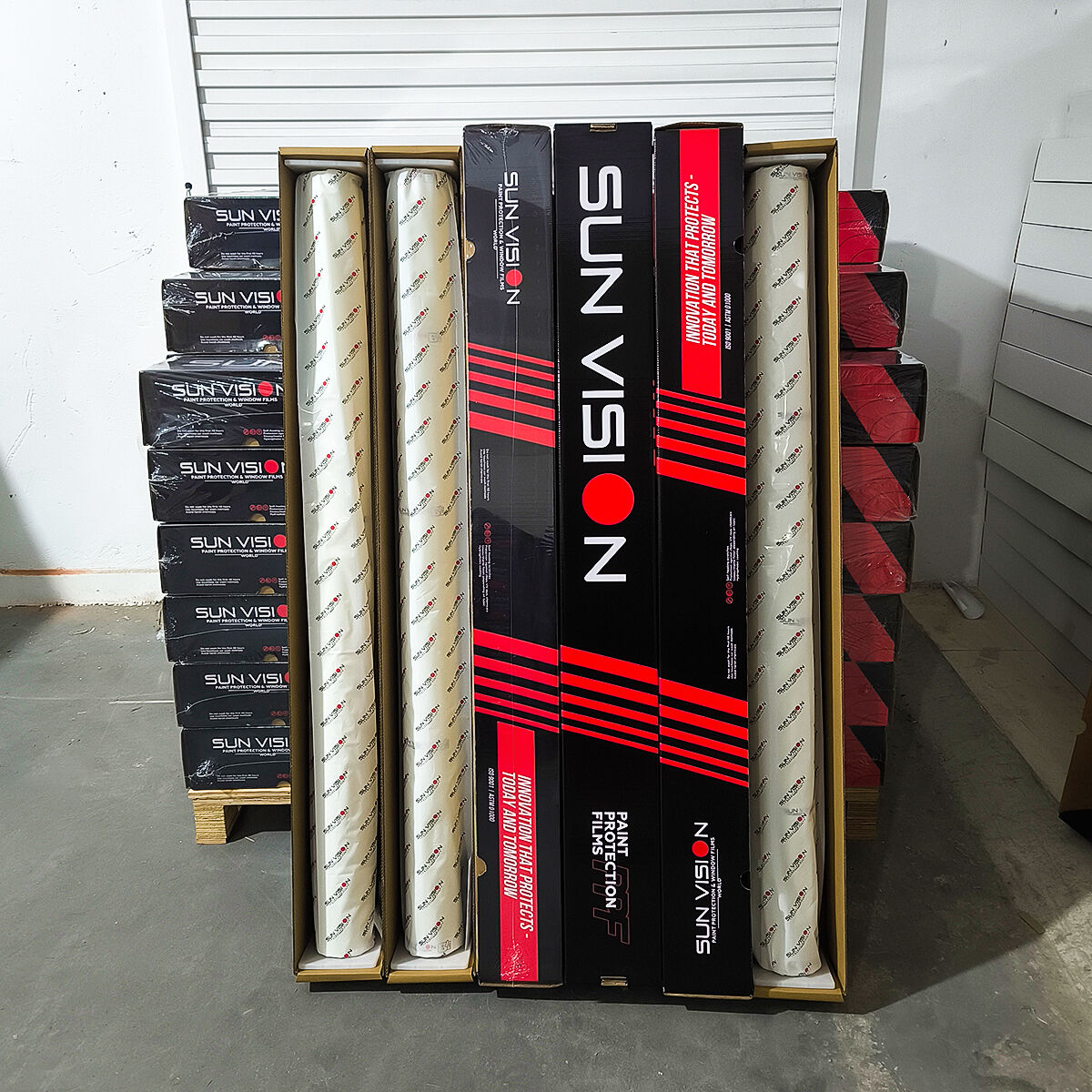
Paint protection film technology has revolutionized vehicle protection, yet numerous misconceptions continue to circulate within the automotive industry. These myths often prevent car owners from making informed decisions about ppf film installation and maintenance. Understanding the truth behind these widespread beliefs enables consumers to appreciate the genuine benefits and limitations of modern protective films. Professional installers and automotive experts have observed how misinformation affects customer choices, leading to missed opportunities for effective vehicle protection.
Performance and Durability Misconceptions
Adhesive Damage Claims
One of the most persistent myths suggests that ppf film adhesives permanently damage vehicle paint during removal. Modern thermoplastic polyurethane films utilize advanced acrylic adhesive systems specifically engineered for clean removal without paint damage. Professional-grade films undergo extensive testing to ensure compatibility with automotive clear coats and base paints. The adhesive technology has evolved significantly since early protective films, incorporating temperature-sensitive properties that allow safe removal even after years of application.
Industry testing demonstrates that properly installed ppf film actually preserves original paint condition better than unprotected surfaces. The film creates a barrier against environmental contaminants, UV radiation, and minor physical impacts that would otherwise affect the underlying paint. Removal procedures, when performed correctly by trained professionals, reveal paint in pristine condition, often appearing newer than surrounding unprotected areas. This protective benefit directly contradicts the adhesive damage myth that continues to circulate among uninformed consumers.
Thickness and Protection Correlation
Another common misconception claims that thicker ppf film automatically provides superior protection against all types of damage. While film thickness does influence impact resistance, the relationship between thickness and overall protection involves multiple factors including material composition, surface texture, and installation quality. Premium films utilize advanced polymer formulations that maximize protection efficiency without excessive thickness, maintaining optical clarity and conformability around complex vehicle contours.
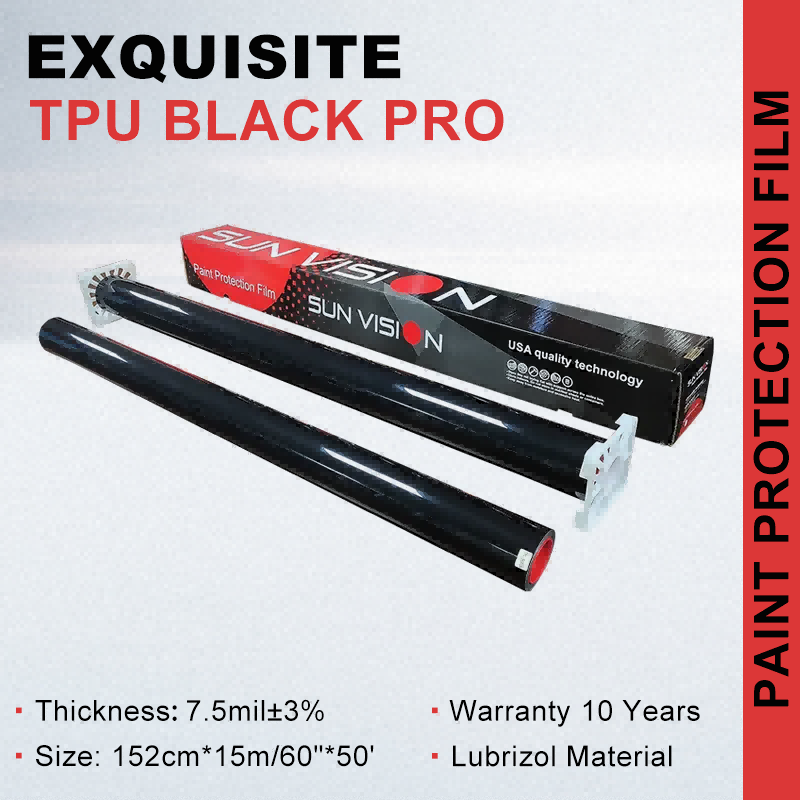
The optimal thickness for automotive protection typically ranges between 6 to 8 mils, balancing impact resistance with installation flexibility. Excessively thick films can create visible edges, compromise optical clarity, and complicate installation around curved surfaces. Modern ppf film manufacturers focus on enhancing material properties rather than simply increasing thickness, resulting in superior protection with improved aesthetics and durability performance.
Installation and Maintenance Myths
Professional Installation Requirements
Many consumers believe that ppf film installation is a simple DIY project that can be completed with basic tools and minimal experience. This misconception underestimates the technical expertise required for proper film application, including surface preparation, pattern cutting, and heat activation techniques. Professional installers spend years developing the skills necessary to achieve seamless installations without bubbles, wrinkles, or edge lifting that compromise both appearance and protection effectiveness.
The installation process involves precise temperature control, proper squeegee techniques, and understanding of film memory characteristics that affect long-term adhesion. Attempting DIY installation often results in premature failure, visible imperfections, and potentially costly removal procedures. Professional installation ensures warranty coverage, optimal performance, and aesthetic results that justify the investment in ppf film protection systems.
Maintenance Complexity Assumptions
A widespread myth suggests that ppf film requires complex maintenance procedures and specialized cleaning products to maintain effectiveness. In reality, protected surfaces require less intensive maintenance than unprotected paint, as the film prevents contaminants from bonding directly to the vehicle surface. Standard automotive washing techniques and quality car care products are sufficient to maintain film appearance and protective properties throughout the service life.
The hydrophobic properties of modern ppf film actually simplify cleaning by causing water and contaminants to sheet off the protected surface. This self-cleaning characteristic reduces the frequency of detailed washing while maintaining superior appearance compared to traditional paint finishes. Periodic maintenance involves basic washing and occasional application of film-compatible detailing products, making protected vehicles easier to maintain than their unprotected counterparts.
Cost and Value Considerations
Initial Investment Perspectives
Cost-related myths often focus exclusively on initial ppf film installation expenses without considering long-term value propositions and paint preservation benefits. While quality protection systems require significant upfront investment, the cost analysis should include reduced paint correction needs, maintained resale values, and eliminated touch-up expenses over the vehicle ownership period. Professional-grade films provide protection for seven to ten years, distributing the investment cost across an extended service life.
Comparative analysis reveals that ppf film installation costs less than major paint correction procedures required to address damage on unprotected vehicles. The film prevents stone chips, scratch damage, and environmental etching that would necessitate expensive refinishing work. This preventive approach proves more economical than reactive paint repair strategies, particularly for vehicles exposed to harsh driving conditions or aggressive environmental factors.
Coverage Area Misconceptions
Some consumers believe that partial ppf film coverage provides insufficient protection and that complete vehicle wrapping is necessary for meaningful benefits. This myth ignores the strategic protection approach that focuses film coverage on high-impact areas such as front bumpers, hood leading edges, and rocker panels. Targeted protection addresses the most vulnerable surfaces while maintaining cost effectiveness and preserving the original paint finish on lower-risk areas.
Professional installation teams analyze driving patterns, environmental exposure, and vehicle usage to recommend optimal coverage areas that maximize protection within budget constraints. This customized approach ensures that critical surfaces receive premium protection while avoiding unnecessary expenses for areas with minimal damage risk. The strategic application philosophy delivers excellent protection value without requiring complete vehicle coverage.
Technology and Innovation Realities
Self-Healing Capabilities
The self-healing properties of modern ppf film generate considerable confusion and unrealistic expectations among potential customers. While premium films do exhibit healing characteristics for minor surface scratches and swirl marks, the technology has specific limitations regarding damage depth and severity. Heat activation triggers the healing process, causing polymer chains to realign and eliminate surface imperfections that do not penetrate the film substrate.
Understanding self-healing limitations prevents disappointment and ensures realistic expectations for ppf film performance. The technology effectively addresses light scratches from washing, branches, and normal handling but cannot repair deep cuts, punctures, or impact damage that compromises film integrity. Manufacturers continue advancing self-healing formulations, but current technology focuses on maintaining appearance quality rather than repairing significant physical damage.
Optical Clarity Standards
Concerns about ppf film affecting paint color and finish clarity persist despite significant advances in optical technology and material transparency. Premium films achieve virtually invisible installation results when properly applied, maintaining the original paint appearance while providing comprehensive protection. Advanced manufacturing processes eliminate the optical distortion and yellowing issues associated with early protective film generations.
Modern ppf film technology incorporates UV-stable additives and advanced polymer chemistry that prevents discoloration and maintains optical clarity throughout the service life. The film enhances paint depth and gloss while eliminating the orange peel texture common in factory paint applications. These optical improvements actually enhance vehicle appearance compared to unprotected surfaces, contradicting outdated perceptions about film visibility and aesthetic impact.
FAQ
Does ppf film installation void vehicle warranties
Professional ppf film installation does not void vehicle warranties when performed according to manufacturer specifications and industry standards. Automotive warranties typically exclude coverage for aftermarket modifications that alter vehicle structure or safety systems, but protective films are considered accessories that preserve rather than modify the original finish. Reputable installers provide documentation and warranties that demonstrate compliance with automotive manufacturer requirements.
Can ppf film be applied over existing paint damage
While ppf film can be installed over minor paint imperfections, existing damage should be addressed before application to achieve optimal results and appearance. The film will conform to surface irregularities, potentially highlighting rather than concealing paint defects. Professional installers evaluate paint condition and recommend correction procedures when necessary to ensure seamless installation and maximum protection effectiveness.
How does ppf film perform in extreme weather conditions
Quality ppf film systems are engineered to withstand extreme temperature variations, UV exposure, and weather conditions without degrading or losing protective properties. The thermoplastic polyurethane construction maintains flexibility and adhesion across temperature ranges from -40°F to 200°F, accommodating thermal expansion and contraction cycles. UV-stable additives prevent material breakdown and discoloration even under intense sunlight exposure over extended periods.
What happens if ppf film gets damaged during vehicle use
Localized ppf film damage can be repaired through sectional replacement without affecting surrounding protected areas or requiring complete reinstallation. Professional installers maintain material inventories and can match existing film properties to ensure seamless repairs. The modular nature of film protection allows targeted replacement of damaged sections while preserving the integrity and appearance of unaffected areas, maintaining comprehensive vehicle protection.