
 EN
EN
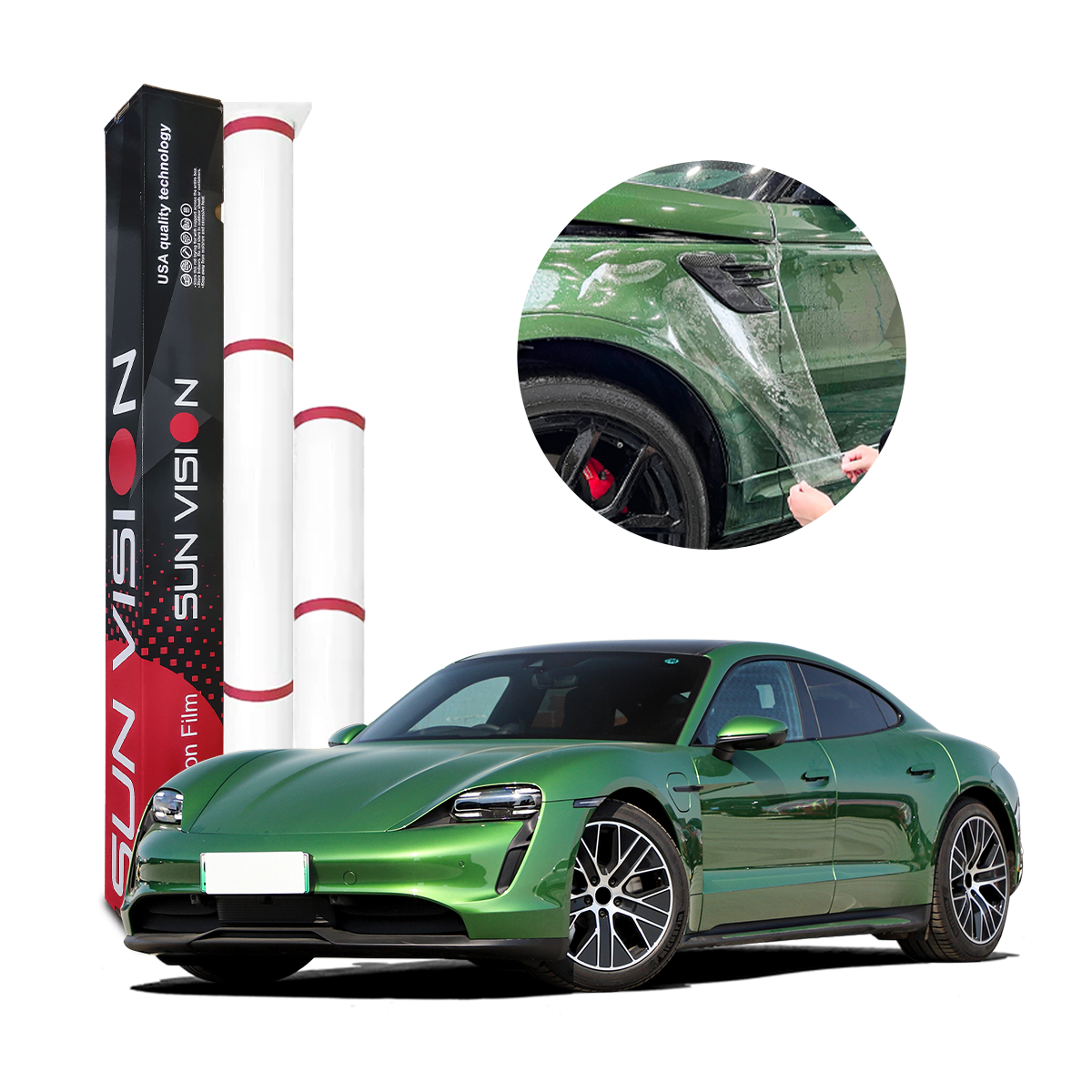
The manufacturing landscape for advanced optical materials has experienced remarkable transformations, with sputtering film technology emerging as a cornerstone of modern industrial applications. This sophisticated coating process has revolutionized how manufacturers approach surface enhancement, optical filtering, and material protection across diverse sectors. From automotive windows to architectural glazing, the evolution of sputtering film technology continues to drive innovation in performance and efficiency standards worldwide.
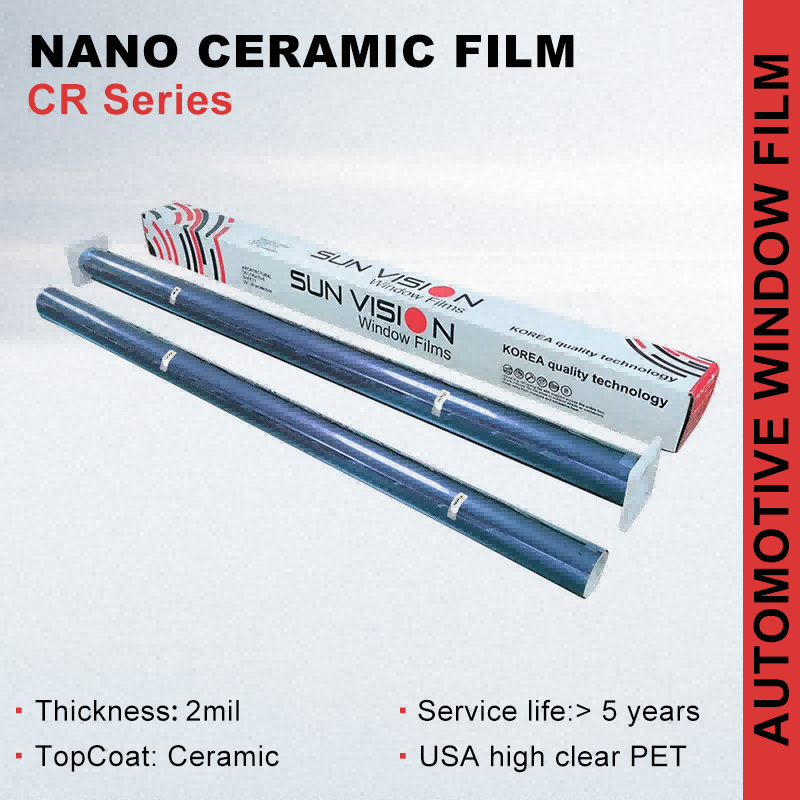
Recent developments in manufacturing processes have enabled unprecedented precision and scalability in production capabilities. Industry leaders are now implementing advanced control systems that monitor deposition parameters in real-time, ensuring consistent quality and performance characteristics. These technological advances have significantly reduced production costs while simultaneously improving the functional properties of finished products.
Revolutionary Manufacturing Techniques
Advanced Deposition Technologies
Modern sputtering film production relies heavily on magnetron sputtering systems that deliver superior uniformity and adhesion properties. These systems utilize powerful magnetic fields to confine plasma discharge, resulting in more efficient target material utilization and reduced substrate heating. The implementation of rotary cathode configurations has further enhanced deposition rates while maintaining exceptional film quality standards across large-scale production runs.
Manufacturers are increasingly adopting multi-cathode arrangements that enable simultaneous deposition of different materials, creating complex multilayer structures in single processing cycles. This approach significantly reduces manufacturing time while achieving precise thickness control at the nanometer level. Advanced feedback systems continuously monitor deposition rates and automatically adjust process parameters to maintain optimal conditions throughout production cycles.
Precision Control Systems
Contemporary manufacturing facilities integrate sophisticated process monitoring equipment that tracks critical parameters including chamber pressure, temperature distribution, and plasma stability in real-time. These systems employ artificial intelligence algorithms to predict potential deviations and implement corrective measures before quality issues arise. The integration of machine learning capabilities has enabled predictive maintenance scheduling, reducing downtime and optimizing overall equipment effectiveness.
Quality assurance protocols now incorporate inline measurement systems that evaluate optical properties, thickness uniformity, and adhesion strength during production. This continuous monitoring approach ensures that every manufactured product meets stringent performance specifications while minimizing material waste and rework requirements. Advanced statistical process control methods help maintain consistent output quality across extended production campaigns.
Material Science Innovations
Next-Generation Target Materials
The development of novel target compositions has opened new possibilities for enhanced sputtering film performance characteristics. Researchers have successfully formulated ceramic-metallic composite targets that combine excellent optical properties with superior durability and thermal stability. These advanced materials enable the production of films with precisely tailored refractive indices and absorption coefficients for specific application requirements.
Nanostructured target materials have emerged as game-changers in achieving uniform deposition across large substrate areas. These materials incorporate controlled porosity and grain structure that promote consistent sputtering behavior throughout target lifetime. The adoption of powder metallurgy techniques has enabled the creation of targets with complex compositions previously impossible through conventional melting and casting methods.
Substrate Preparation Advances
Surface preparation technologies have evolved to ensure optimal adhesion and performance of deposited films. Plasma cleaning systems now utilize precisely controlled ion bombardment to remove surface contaminants while creating ideal nucleation sites for film growth. Advanced surface analysis techniques guide the optimization of cleaning parameters for different substrate materials and geometries.
Chemical pretreatment processes have been refined to enhance interfacial bonding between substrates and deposited coatings. These treatments involve carefully controlled exposure to reactive gases that modify surface chemistry without compromising underlying material properties. The implementation of atmospheric plasma systems has enabled cost-effective surface modification for high-volume production applications.
Performance Enhancement Strategies
Multilayer Architecture Design
Contemporary sputtering film designs incorporate sophisticated multilayer architectures that optimize optical and mechanical properties simultaneously. These structures typically consist of alternating high and low refractive index layers with precisely controlled thicknesses that create interference effects for specific wavelength ranges. Advanced modeling software enables engineers to predict optical performance and optimize layer sequences before physical production begins.
Gradient index profiles have emerged as powerful tools for achieving smooth optical transitions and minimizing reflection losses at interfaces. Manufacturing systems now possess the capability to continuously vary composition during deposition, creating films with spatially varying properties that enhance overall performance. These gradient structures are particularly valuable in anti-reflection applications where broadband performance is critical.
Durability and Reliability Improvements
Environmental stability has become a primary focus in modern film development, with manufacturers implementing stress management techniques that prevent delamination and cracking under thermal cycling conditions. Advanced annealing processes are carefully designed to optimize internal stress distribution while maintaining desired optical characteristics. Post-deposition treatments including ion beam smoothing and plasma densification further enhance mechanical stability.
Accelerated aging protocols have been developed to evaluate long-term performance under various environmental conditions including temperature extremes, humidity exposure, and ultraviolet radiation. These testing methodologies enable manufacturers to predict service life and optimize formulations for specific application environments. Quality assurance programs now incorporate comprehensive reliability testing that simulates decades of field exposure in controlled laboratory conditions.
Industrial Applications and Market Trends
Automotive Industry Integration
The automotive sector has embraced advanced sputtering film technologies to meet increasingly stringent performance and aesthetic requirements. Smart glass applications incorporate electrochromic films that enable dynamic light transmission control, enhancing passenger comfort while reducing energy consumption for climate control systems. These films integrate seamlessly with vehicle electrical systems and provide consistent performance throughout extended service life.
Head-up display systems rely on specialized optical films that maintain excellent visibility while preserving windshield safety characteristics. Manufacturing processes have been optimized to apply these films without compromising laminated glass integrity or optical clarity. Advanced coating formulations provide anti-glare properties while maintaining high light transmission for optimal visibility during various lighting conditions.
Architectural and Construction Applications
Building envelope applications have driven significant innovation in large-area coating capabilities and installation methodologies. Energy-efficient glazing systems incorporate low-emissivity films that dramatically reduce heat transfer while maintaining visual transparency. These coatings contribute significantly to building energy performance and occupant comfort in both commercial and residential applications.
Solar heat gain control films provide architects with powerful tools for optimizing building performance across diverse climate zones. Manufacturing advances have enabled the production of films with precisely tuned spectral characteristics that selectively filter infrared radiation while preserving natural lighting quality. Installation techniques have been refined to ensure consistent performance across large glazing areas without visible seams or optical distortions.
Future Technology Developments
Emerging Manufacturing Processes
Research laboratories are developing next-generation deposition techniques that promise even greater precision and efficiency in film production. High-power impulse magnetron sputtering represents a breakthrough approach that delivers enhanced film density and improved microstructural control through precisely timed power pulses. This technology enables the deposition of materials previously difficult to process using conventional continuous sputtering methods.
Hybrid deposition processes combine multiple coating technologies within single production systems, enabling the creation of complex film structures with unprecedented property combinations. These systems integrate sputtering with chemical vapor deposition and atomic layer deposition capabilities, providing manufacturers with ultimate flexibility in product design and optimization.
Smart Film Technologies
Intelligent coating systems represent the next frontier in film technology, incorporating responsive materials that adapt their properties based on environmental conditions or external stimuli. Thermochromic formulations automatically adjust optical transmission in response to temperature changes, providing passive solar control without external power requirements. These systems integrate advanced materials science with sophisticated manufacturing processes to deliver autonomous performance optimization.
Sensor-integrated films combine traditional optical functionality with embedded monitoring capabilities that provide real-time performance feedback. These smart systems can detect environmental conditions, structural stress, and coating degradation, enabling predictive maintenance and performance optimization throughout service life. Manufacturing processes are being developed to incorporate electronic components during film deposition without compromising optical or mechanical properties.
FAQ
What factors determine the optimal thickness for sputtering film applications?
Optimal thickness depends on the intended application and desired optical characteristics. Anti-reflection coatings typically require quarter-wave optical thickness for target wavelengths, while solar control films may require multiple layers with varying thicknesses to achieve broadband performance. Mechanical considerations including stress management and adhesion also influence thickness selection, with thicker films generally providing enhanced durability but potentially introducing higher internal stress levels.
How do environmental conditions affect sputtering film manufacturing quality?
Environmental control is critical for consistent film quality, with factors including humidity, temperature, and particulate contamination directly impacting deposition characteristics. Clean room environments with controlled air filtration systems prevent contamination that could cause optical defects or adhesion failures. Temperature stability ensures consistent deposition rates and prevents thermal stress that could compromise film integrity during production.
What are the key differences between reactive and non-reactive sputtering processes?
Non-reactive sputtering deposits materials directly from metallic targets without chemical modification, producing films with compositions matching the target material. Reactive sputtering introduces process gases that chemically react with sputtered atoms to form compounds such as oxides or nitrides during deposition. Reactive processes offer greater compositional flexibility but require precise gas flow control to maintain stable deposition conditions and consistent film properties.
How can manufacturers ensure consistent quality across large substrate areas?
Large-area uniformity requires careful optimization of target geometry, substrate positioning, and process parameters including pressure and power distribution. Multi-cathode systems with overlapping deposition zones help achieve uniform coverage across extended areas. Real-time monitoring systems track thickness and optical properties at multiple locations, enabling immediate adjustment of process parameters to maintain consistency throughout production runs.
Table of Contents
- Revolutionary Manufacturing Techniques
- Material Science Innovations
- Performance Enhancement Strategies
- Industrial Applications and Market Trends
- Future Technology Developments
-
FAQ
- What factors determine the optimal thickness for sputtering film applications?
- How do environmental conditions affect sputtering film manufacturing quality?
- What are the key differences between reactive and non-reactive sputtering processes?
- How can manufacturers ensure consistent quality across large substrate areas?