 EN
EN
Professional paint protection film installation has become an essential service for vehicle owners seeking to preserve their automotive investment. The demand for high-quality ppf film continues to grow as drivers recognize the long-term benefits of protecting their vehicle's paint from environmental damage, scratches, and wear. Understanding the installation process and associated costs empowers consumers to make informed decisions when selecting protection solutions for their vehicles.
Understanding Paint Protection Film Technology
Material Composition and Properties
Modern ppf film utilizes advanced thermoplastic polyurethane technology to deliver superior protection against various environmental hazards. The multi-layer construction typically includes a clear topcoat, protective urethane layer, and adhesive backing designed for optimal bonding to automotive surfaces. Premium ppf film products feature self-healing properties that allow minor scratches and swirl marks to disappear when exposed to heat or sunlight, maintaining the film's clarity and protective capabilities over time.
The thickness of quality ppf film ranges from 6 to 12 mils, providing substantial protection while remaining virtually invisible once properly installed. Advanced formulations incorporate UV inhibitors to prevent yellowing and degradation from prolonged sun exposure. These technological improvements ensure that ppf film maintains its protective qualities and aesthetic appeal for years, making it a worthwhile investment for vehicle protection.
Performance Benefits and Durability
Professional-grade ppf film offers exceptional resistance to rock chips, road debris, bug splatter, and minor abrasions that commonly occur during daily driving. The film's impact-absorbing properties help distribute force across a larger area, reducing the likelihood of paint damage from small stones and debris. Additionally, the hydrophobic surface treatment on premium ppf film makes cleaning easier and helps repel water, dirt, and contaminants.
Warranty coverage for high-quality ppf film typically extends from 5 to 10 years, reflecting manufacturers' confidence in their product durability. The film's ability to withstand temperature extremes, chemical exposure, and mechanical stress makes it suitable for various climates and driving conditions. Regular maintenance and proper care can extend the effective lifespan of ppf film beyond the warranty period.
Professional Installation Process Overview
Pre-Installation Preparation
Successful ppf film installation begins with thorough vehicle preparation and surface assessment. Professional installers examine the paint condition, identifying any existing damage, contamination, or imperfections that could affect film adhesion. The vehicle undergoes comprehensive washing and decontamination using specialized products to remove wax, polish residue, and embedded contaminants that might compromise the installation quality.
Paint correction may be necessary before ppf film application, particularly on vehicles with swirl marks, scratches, or oxidation. This process ensures optimal film adhesion and prevents trapping imperfections beneath the protective layer. Professional shops maintain controlled environments with proper lighting, temperature, and humidity levels to facilitate precise installation and optimal film performance.
Installation Techniques and Equipment
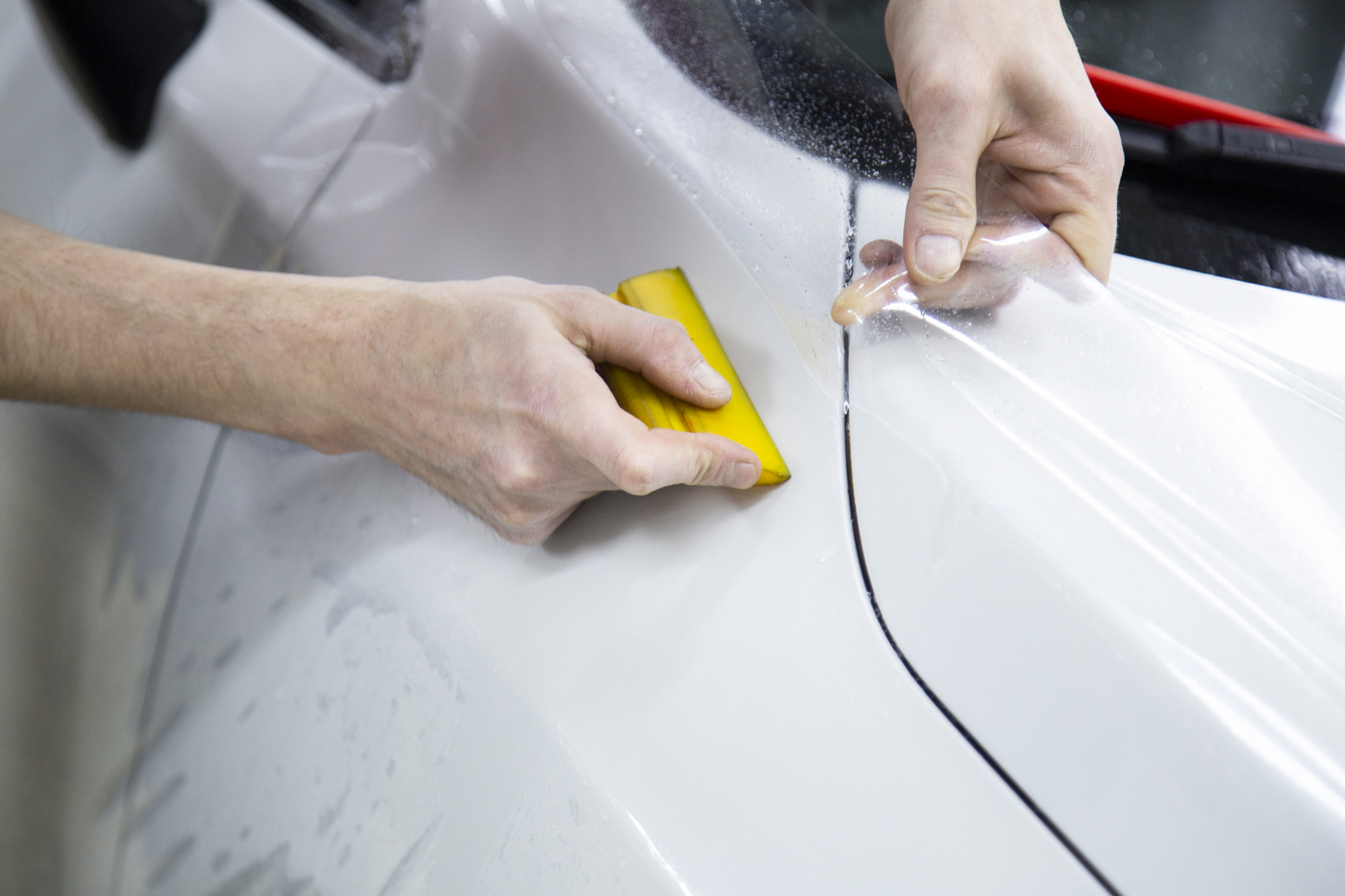
Modern ppf film installation relies on computer-aided design templates and precision cutting systems to ensure accurate fit and coverage. Professional installers use specialized tools including heat guns, squeegees, and conforming tools to manipulate the film around complex curves and contours. The installation process requires significant skill and experience to achieve seamless results without bubbles, wrinkles, or lifting edges.
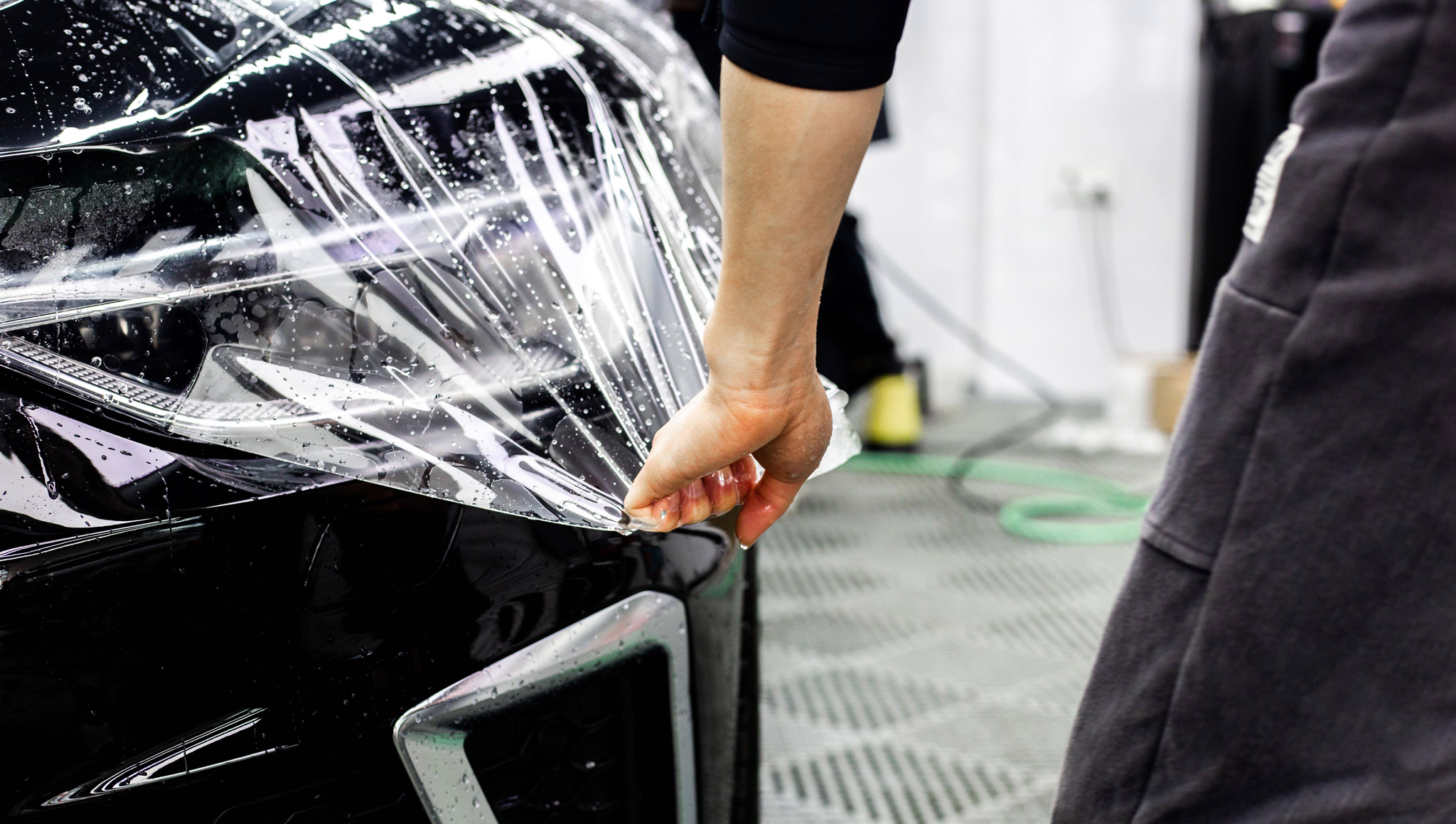
Wet application techniques allow installers to position and reposition ppf film during installation, ensuring proper alignment and eliminating air bubbles. Post-installation heat activation helps the film conform to surface textures and activates the adhesive for permanent bonding. Quality installations undergo thorough inspection and any necessary adjustments before final approval and customer delivery.
Cost Analysis and Pricing Factors
Material and Coverage Options
The cost of ppf film installation varies significantly based on coverage area, film quality, and vehicle complexity. Partial coverage options protecting high-impact areas like the front bumper, hood, and mirror caps typically range from $800 to $2,500. Full front-end protection covering the entire hood, bumper, fenders, and headlights generally costs between $2,000 and $4,500, depending on the vehicle size and ppf film selected.
Full vehicle ppf film installation represents the premium protection option, with costs ranging from $4,000 to $8,000 or more for luxury vehicles. The investment reflects the extensive labor required for complete coverage and the substantial amount of high-quality material needed. Premium ppf film with advanced features like enhanced self-healing properties or superior clarity commands higher prices but delivers improved performance and longevity.
Labor and Service Considerations
Professional installation labor represents a significant portion of total ppf film costs, typically accounting for 40 to 60 percent of the project price. Experienced installers with proven track records and manufacturer certifications command premium rates but deliver superior results and warranty coverage. The complexity of modern vehicle designs with deep curves, sharp angles, and intricate body lines requires advanced skills and additional time investment.
Geographic location influences ppf film installation pricing, with major metropolitan areas generally commanding higher labor rates. Shop overhead costs, including rent, equipment, and insurance, factor into pricing structures. Customers should consider the long-term value proposition when evaluating installation costs, as quality workmanship and premium materials provide better protection and durability over the film's lifespan.
Quality Assurance and Selection Criteria
Installer Certification and Experience
Selecting qualified installers is crucial for achieving optimal ppf film performance and appearance. Manufacturer-certified installers undergo specialized training and demonstrate proficiency in proper installation techniques. These professionals stay current with evolving technologies and best practices, ensuring customers receive the highest quality service. Certification programs also provide warranty backing and quality assurance measures that protect customer investments.
Experience with specific vehicle makes and models contributes significantly to installation quality, as familiar installers understand unique challenges and optimal approaches for each application. Portfolio reviews and customer testimonials provide insight into installer capabilities and consistency. Professional shops typically maintain clean, organized facilities with proper equipment and environmental controls necessary for quality ppf film installation.
Material Selection and Warranty Coverage
Premium ppf film brands offer superior performance characteristics and comprehensive warranty coverage that justifies higher initial costs. Leading manufacturers provide detailed specifications regarding optical clarity, self-healing capabilities, and environmental resistance. Product warranties typically cover yellowing, cracking, bubbling, and adhesive failure under normal use conditions, providing peace of mind for vehicle owners.
Installation warranties complement material warranties, covering workmanship issues and ensuring proper film performance. Reputable installers stand behind their work and address any issues that arise during the warranty period. Understanding warranty terms and coverage limitations helps customers make informed decisions about ppf film selection and installer choice.
Maintenance and Care Requirements
Cleaning and Maintenance Protocols
Proper maintenance extends ppf film lifespan and preserves its protective and aesthetic qualities. Regular washing with pH-neutral car wash soaps removes dirt, debris, and contaminants without damaging the film surface. Avoiding harsh chemicals, abrasive cleaners, and high-pressure washing at close range helps prevent premature wear and maintains film integrity. Professional installers typically provide detailed care instructions specific to the ppf film installed.
Periodic inspection allows early identification of any issues requiring attention, such as lifting edges or accumulated debris. Professional maintenance services can address minor issues before they become major problems, potentially extending film life and maintaining warranty coverage. Some facilities offer specialized ppf film cleaning and reconditioning services to restore optimal appearance and performance.
Long-term Performance Optimization
Environmental factors significantly impact ppf film longevity, making proper storage and usage important considerations. Covered parking protects the film from excessive UV exposure and environmental contaminants. Regular use helps activate self-healing properties, while extended storage periods may require additional care to maintain film flexibility and adhesion.
Professional inspections during routine maintenance appointments help monitor ppf film condition and identify any developing issues. Early intervention can often resolve minor problems and prevent more extensive damage. Understanding normal wear patterns and expected performance changes helps owners maintain realistic expectations and make informed decisions about film replacement timing.
FAQ
How long does professional ppf film installation typically take
Professional ppf film installation timelines vary based on coverage area and vehicle complexity, with partial coverage installations typically requiring 4 to 8 hours, while full vehicle applications may take 2 to 5 days. Complex vehicles with intricate body lines or custom applications require additional time for proper fitting and installation. Experienced installers provide accurate time estimates based on specific vehicle requirements and coverage selections.
Can ppf film be removed without damaging the original paint
Quality ppf film designed for automotive applications can be safely removed by professional installers without damaging the underlying paint when proper techniques are employed. The removal process typically involves heating the film to soften the adhesive and carefully peeling it away from the surface. Any remaining adhesive residue can be safely removed using specialized solvents and techniques that preserve the original paint finish.
What factors influence ppf film installation costs most significantly
Vehicle size and complexity represent the primary cost drivers for ppf film installation, as larger vehicles require more material and labor time. Coverage area selection, material quality, and installer experience levels also significantly impact pricing. Geographic location, shop overhead costs, and additional services like paint correction or ceramic coating application can further influence total project costs.
How does ppf film compare to other paint protection options
PPF film provides superior physical protection against rock chips, scratches, and environmental damage compared to ceramic coatings or wax products. While ceramic coatings offer chemical resistance and easier cleaning, they provide minimal impact protection. PPF film combines physical barrier protection with self-healing properties and long-term durability, making it the preferred choice for maximum paint preservation in demanding driving conditions.