 EN
EN
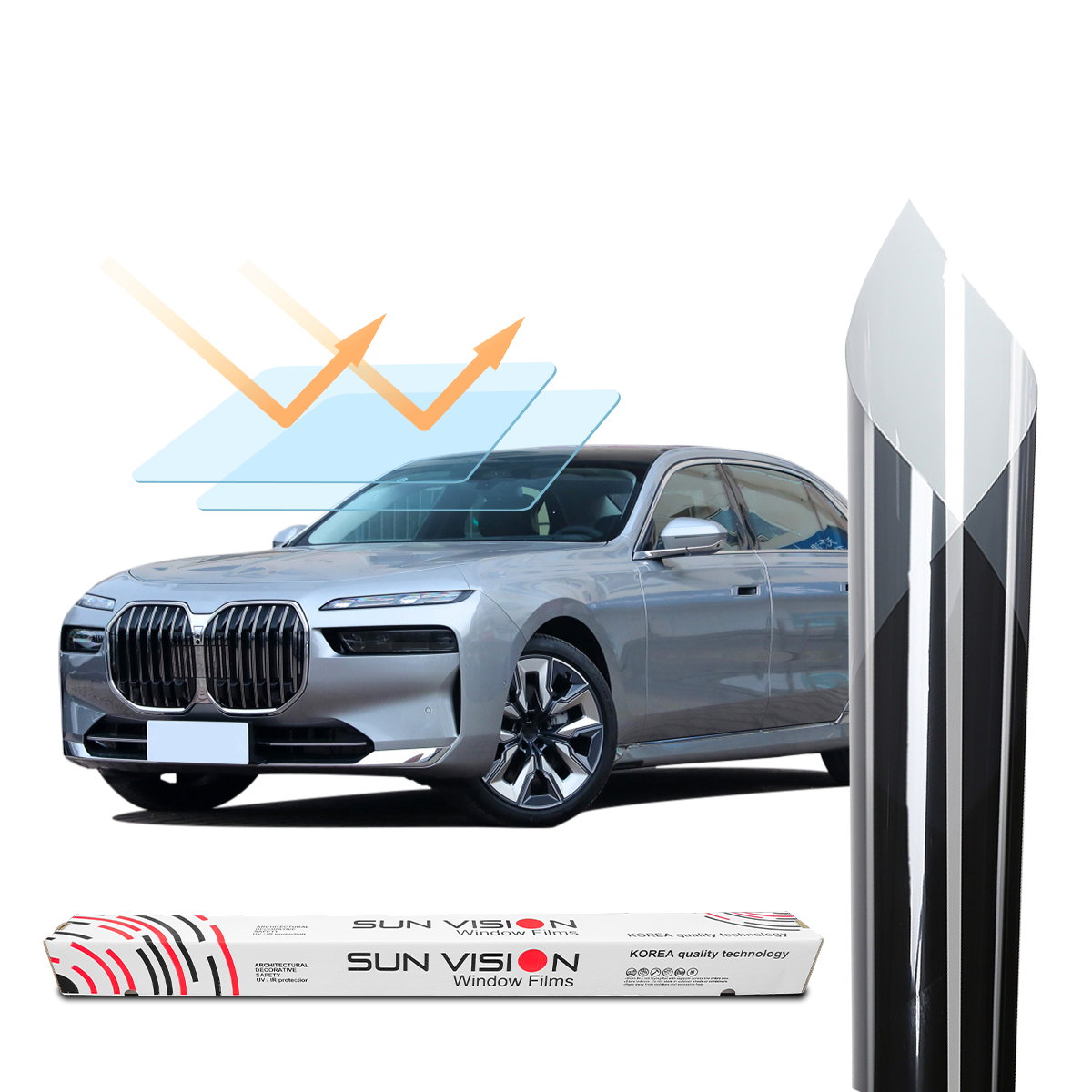
Protecting your vehicle's paint from scratches, chips, and environmental damage has become increasingly important for car owners who want to maintain their investment's value and appearance. The automotive protection industry has evolved significantly, offering various solutions designed to preserve your car's pristine condition. Among these protective measures, ppf film stands out as the most comprehensive and effective solution for safeguarding automotive surfaces against daily wear and tear.
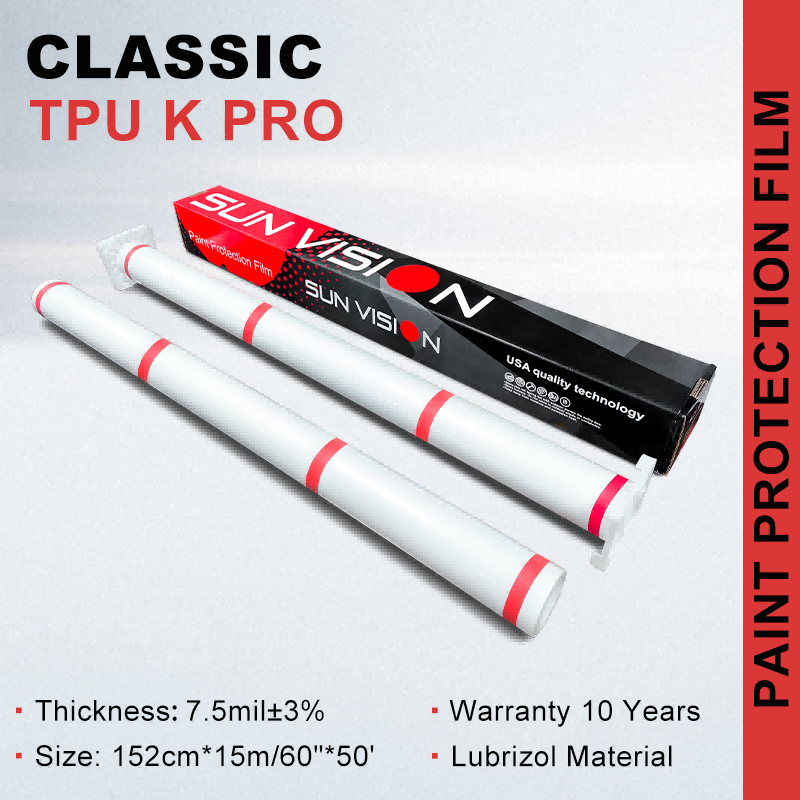
The selection process for automotive protection materials requires careful consideration of multiple factors including durability, optical clarity, installation requirements, and long-term performance characteristics. Modern ppf film technology incorporates advanced materials science to deliver superior protection while maintaining the vehicle's original aesthetic appeal. Understanding the key attributes and performance metrics of different protection films enables informed decision-making that aligns with specific vehicle protection needs and budget considerations.
Understanding Paint Protection Film Technology
Material Composition and Structure
Contemporary ppf film utilizes thermoplastic polyurethane construction that provides exceptional flexibility, impact resistance, and self-healing properties. The multi-layer structure typically consists of a clear topcoat, protective polymer body, and pressure-sensitive adhesive system designed for automotive applications. This sophisticated material composition ensures optimal adhesion to vehicle surfaces while delivering superior protection against stone chips, scratches, and environmental contaminants.
The thermoplastic nature of quality ppf film allows the material to conform seamlessly to complex automotive curves and contours without compromising protective integrity. Advanced manufacturing processes incorporate UV stabilizers and anti-yellowing agents that maintain optical clarity throughout the product's service life. The molecular structure of premium protection films enables self-healing capabilities that eliminate minor scratches and swirl marks through heat activation or normal environmental conditions.
Performance Characteristics and Benefits
High-performance ppf film demonstrates exceptional impact resistance, effectively dispersing energy from road debris and preventing paint damage that would otherwise require costly refinishing procedures. The material's elastic properties allow it to absorb and distribute impact forces across a broader surface area, minimizing the potential for localized damage. This protective mechanism proves particularly valuable for vehicles operating in harsh driving conditions or high-debris environments.
The optical properties of premium ppf film maintain virtually invisible protection that preserves the vehicle's original appearance while providing comprehensive surface protection. Advanced manufacturing techniques ensure consistent thickness and clarity that eliminates the orange peel effect or haze commonly associated with lower-grade protection films. The hydrophobic surface treatment facilitates easy cleaning and maintenance while providing additional resistance to environmental staining and contamination.
Key Selection Criteria for Automotive Protection Films
Thickness and Durability Specifications
The thickness measurement of ppf film directly correlates with its protective capabilities and longevity, with premium products typically ranging from 6 to 12 mils depending on application requirements. Thicker films provide enhanced impact resistance and self-healing properties but may present installation challenges on complex vehicle geometries. The optimal thickness selection depends on the specific protection requirements, vehicle usage patterns, and installation expertise available for the project.
Durability testing protocols for quality ppf film include accelerated weathering, impact resistance, and adhesion strength evaluations that simulate years of real-world exposure. Manufacturers typically provide warranty coverage ranging from 5 to 10 years, reflecting confidence in the material's long-term performance characteristics. The durability specifications should align with the vehicle owner's protection expectations and the anticipated service life requirements for the specific application.
Optical Clarity and Aesthetic Considerations
The visual impact of installed ppf film should be virtually imperceptible, maintaining the vehicle's original paint appearance without introducing distortion, haze, or color shift. Premium protection films undergo rigorous optical testing to ensure consistent light transmission and minimal refractive index variation across the material surface. The clarity specifications become particularly critical for dark-colored vehicles where any optical imperfections would be readily apparent to observers.
Surface texture and finish characteristics of ppf film must complement the original paint system to achieve seamless integration and professional appearance. Gloss level matching ensures that protected areas maintain consistent sheen with unprotected surfaces, preventing the patchwork appearance that can result from mismatched protection materials. The selection should consider the vehicle's original paint finish and the desired aesthetic outcome following installation completion.
Installation Requirements and Considerations
Professional Installation Standards
The installation quality of ppf film significantly impacts both protective performance and aesthetic results, requiring specialized tools, techniques, and environmental conditions for optimal outcomes. Professional installers utilize computer-controlled cutting systems and pre-cut templates to ensure precise fitment and minimize material waste during the application process. The controlled environment eliminates dust and contamination that could compromise adhesion or create visual defects in the finished installation.
Surface preparation protocols for ppf film installation include thorough cleaning, decontamination, and paint correction procedures that ensure optimal adhesion and long-term performance. The substrate condition directly affects the final appearance and durability of the protection system, making proper preparation essential for successful outcomes. Professional installers follow manufacturer-specified procedures and utilize approved cleaning agents and preparation materials throughout the installation process.
Maintenance and Care Requirements
Proper maintenance procedures for installed ppf film ensure optimal performance and appearance throughout the product's service life while maximizing the investment value for vehicle owners. Regular washing with pH-neutral car wash products prevents the accumulation of contaminants that could potentially stain or degrade the protection film surface. The maintenance schedule should include periodic inspection for edge lifting, contamination buildup, or damage that might require professional attention or repair.
The self-healing properties of quality ppf film can be enhanced through proper care techniques including regular washing, occasional heat activation, and protection from harsh chemicals or abrasive cleaning methods. Understanding the material limitations and recommended care procedures helps vehicle owners maintain optimal protection performance while avoiding practices that could compromise the film's integrity or appearance. Professional detailing services familiar with protection film care can provide specialized maintenance that extends the product's effective service life.
Cost Analysis and Value Proposition
Investment Considerations and ROI
The initial investment in quality ppf film protection should be evaluated against the potential costs of paint repair, refinishing, and vehicle depreciation that result from unprotected surface damage. Premium protection films typically command higher upfront costs but deliver superior performance, longevity, and warranty coverage that justify the additional expense for discerning vehicle owners. The cost analysis should consider the vehicle's value, usage patterns, and the owner's long-term ownership intentions when selecting protection materials.
Return on investment calculations for ppf film installation demonstrate significant value preservation, particularly for luxury and high-performance vehicles where paint repair costs can be substantial. The protection system maintains the vehicle's resale value by preserving original paint condition and preventing damage that would otherwise require costly refinishing procedures. Market analysis indicates that vehicles with comprehensive paint protection typically command premium pricing in resale transactions, offsetting much of the initial protection investment.
Long-term Performance Economics
The economic benefits of ppf film extend beyond initial damage prevention to include reduced maintenance costs, extended paint life, and improved vehicle appearance throughout the ownership period. Protected surfaces require less frequent paint correction and detailing services, reducing the ongoing maintenance expenses associated with vehicle ownership. The protection system's durability ensures consistent performance over extended service periods, maximizing the cost-effectiveness of the initial investment.
Warranty coverage and replacement policies for premium ppf film products provide additional economic security by protecting the investment against material defects or premature failure. Comprehensive warranty programs typically include both material and labor coverage, ensuring that any issues are addressed without additional cost to the vehicle owner. The warranty terms should be carefully evaluated as part of the overall value proposition when comparing different protection film options and installation providers.
Application Areas and Coverage Options
Strategic Protection Zones
Effective ppf film application requires strategic planning to maximize protection value while managing installation costs and maintaining vehicle aesthetics. High-impact zones including the front bumper, hood leading edge, side mirror backs, and door handle areas typically receive priority coverage due to their exposure to road debris and daily use damage. The coverage strategy should consider the vehicle's specific vulnerability points and the owner's driving conditions when determining optimal protection areas.
Full-vehicle coverage with ppf film provides comprehensive protection but requires significant investment and installation time compared to partial coverage options. The decision between full and partial coverage depends on protection requirements, budget considerations, and the vehicle's intended use patterns. Partial coverage focusing on high-risk areas can provide substantial protection benefits at a reduced cost, making professional-grade protection accessible to a broader range of vehicle owners.
Custom Applications and Specialized Requirements
Specialized applications of ppf film include racing vehicles, commercial fleets, and luxury automobiles with unique protection requirements that exceed standard coverage options. Custom cutting and installation techniques enable protection of complex geometries, unique vehicle modifications, and specific high-wear areas identified through operational analysis. The flexibility of modern protection materials accommodates virtually any automotive protection requirement through proper planning and professional installation expertise.
Performance vehicles and track-driven automobiles benefit from enhanced ppf film coverage that addresses the unique challenges of high-speed operation and racing environments. The protection system must withstand elevated temperatures, aggressive cleaning procedures, and frequent inspection requirements while maintaining optimal protective performance. Specialized formulations and installation techniques ensure that protection systems meet the demanding requirements of performance applications without compromising vehicle performance or appearance.
FAQ
How long does ppf film typically last on a vehicle
Quality ppf film installations typically provide 7 to 10 years of effective protection under normal driving conditions, with premium products offering warranty coverage that reflects their expected service life. The actual longevity depends on factors including environmental exposure, maintenance quality, and the specific protection film selected for the application. Proper care and maintenance can extend the effective service life beyond the warranty period, maximizing the investment value for vehicle owners.
Can ppf film be removed without damaging the original paint
Professional-grade ppf film utilizes removable adhesive systems designed to release cleanly from automotive paint surfaces without leaving residue or causing damage when properly removed by experienced installers. The removal process requires controlled heating and careful technique to ensure safe separation from the paint surface. Quality protection films maintain removability throughout their service life, allowing for replacement or removal as needed without compromising the underlying paint system.
What maintenance is required for protected surfaces
Regular washing with pH-neutral car wash products maintains ppf film appearance and performance while preventing contamination buildup that could affect the material's protective properties. Monthly inspection for edge lifting, damage, or contamination ensures early detection of issues that might require professional attention. Avoiding harsh chemicals, abrasive cleaning methods, and automatic car washes with brushes helps preserve the protection film's surface integrity and optical clarity throughout its service life.
Is ppf film installation suitable for all vehicle types
Modern ppf film technology accommodates virtually all vehicle types and paint systems through proper material selection and installation techniques tailored to specific automotive requirements. The flexibility and conformability of contemporary protection materials enable successful application to complex curves, edges, and surface variations found on modern vehicles. Professional installers can assess vehicle compatibility and recommend appropriate protection strategies for any automotive application, ensuring optimal results regardless of vehicle type or configuration.