
 EN
EN
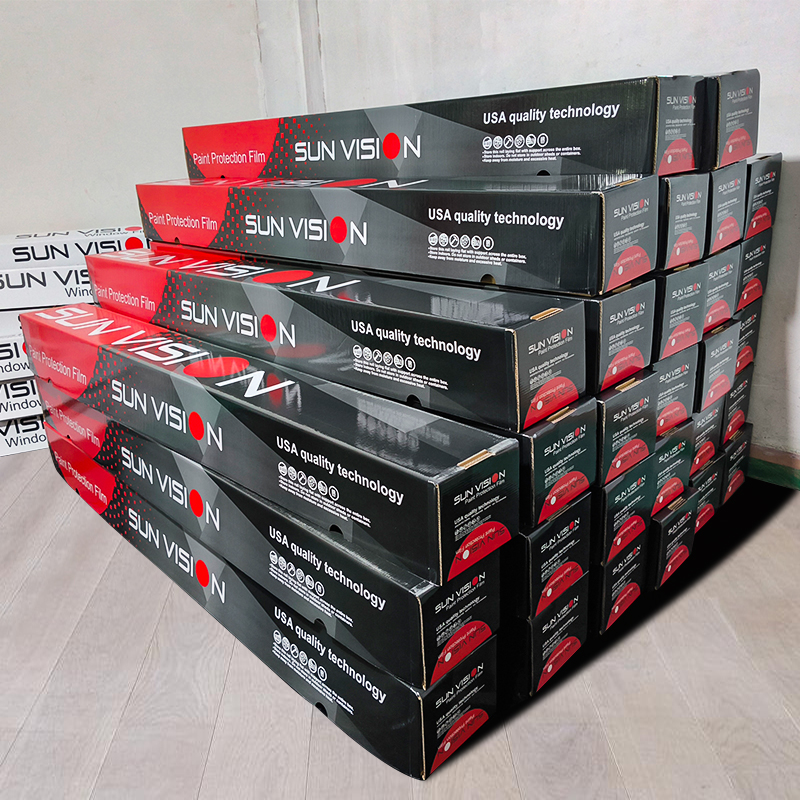
Car PPF, or Paint Protection Film, is a revolutionary automotive solution designed to preserve vehicle paint from environmental damage, scratches, and wear. This transparent urethane film creates an invisible barrier that maintains your car's pristine appearance while offering superior protection against road hazards, UV rays, and chemical contaminants that can permanently damage automotive finishes.
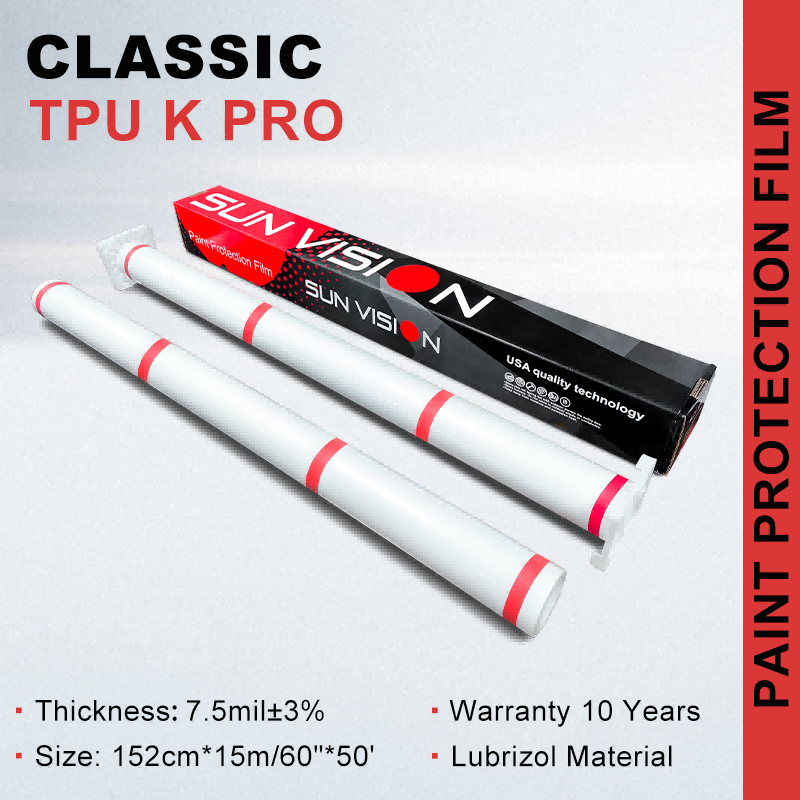
Understanding car PPF technology becomes essential for vehicle owners seeking long-term paint preservation and maintaining resale value. Modern car PPF formulations utilize advanced thermoplastic urethane materials that bond seamlessly with automotive surfaces, creating a protective layer that's virtually undetectable yet incredibly durable against daily driving conditions and environmental exposure.
Understanding Car PPF Technology and Composition
Material Science Behind Car PPF
Car PPF consists of multiple layers of thermoplastic urethane engineered specifically for automotive protection. The base layer provides adhesive properties that ensure proper bonding with vehicle paint surfaces, while the middle layer offers structural integrity and impact resistance. The top layer features self-healing properties that allow minor scratches and swirl marks to disappear with heat application.
Advanced car PPF formulations incorporate UV inhibitors and optical clarity enhancers that prevent yellowing and maintain transparency over extended periods. These materials undergo rigorous testing to ensure compatibility with various automotive paint systems, including single-stage, base-coat clear-coat, and specialized finishes used by luxury manufacturers.
The manufacturing process involves precision casting and lamination techniques that create uniform thickness throughout the film. Quality car PPF products maintain consistent adhesive properties and optical clarity, ensuring seamless installation and long-term performance across different vehicle surfaces and environmental conditions.
Self-Healing Properties and Advanced Features
Modern car PPF incorporates self-healing technology that automatically repairs minor surface damage when exposed to heat from sunlight or warm water. This innovative feature ensures that light scratches, swirl marks, and minor abrasions disappear naturally, maintaining the film's smooth surface and preserving the vehicle's appearance without requiring professional intervention.
Hydrophobic coatings integrated into premium car PPF products provide additional benefits by repelling water, reducing dirt accumulation, and simplifying maintenance procedures. These surface treatments create a slippery barrier that prevents contaminants from adhering strongly to the protected areas, making routine cleaning more effective and less labor-intensive.
Advanced car PPF solutions also feature stain resistance properties that prevent permanent discoloration from bird droppings, tree sap, and other organic contaminants. This protection extends beyond physical barriers to include chemical resistance against acidic substances that commonly cause paint etching and permanent damage to unprotected automotive surfaces.
How Car PPF Protects Vehicle Paint from Physical Damage
Impact and Abrasion Resistance
Car PPF creates a sacrificial barrier that absorbs impact energy from road debris, preventing stones, gravel, and other projectiles from directly contacting the vehicle's paint surface. The film's elastic properties allow it to deform upon impact and return to its original shape, dissipating energy that would otherwise cause chips, scratches, or gouges in the underlying paint system.
The thickness and density of quality car PPF provide measurable protection against abrasive contact during daily driving conditions. Parking lot encounters, car wash brushes, and incidental contact with clothing or accessories that might otherwise leave permanent marks are effectively mitigated by the film's protective barrier.
Professional-grade car PPF installations create seamless coverage across vulnerable areas including front bumpers, hoods, side mirrors, and door edges where paint damage typically occurs. The film's conformability allows it to follow complex curves and contours without creating air pockets or lifting edges that could compromise protection effectiveness.
Environmental Hazard Protection
Car PPF shields vehicle paint from environmental contaminants that cause long-term degradation and discoloration. Salt exposure from winter road treatments, industrial fallout, and airborne pollutants are prevented from making direct contact with paint surfaces, eliminating the chemical reactions that lead to corrosion and permanent staining.
Organic contaminants including bird droppings, insect remains, and tree sap are held at the surface level by car ppf, preventing acidic penetration into paint layers. This barrier effect allows for easier cleaning and prevents the etching damage that commonly occurs when these substances are allowed to remain in direct contact with automotive finishes for extended periods.
UV radiation protection provided by car PPF prevents paint fading and oxidation that naturally occurs from prolonged sun exposure. The film's UV-blocking properties maintain color vibrancy and gloss retention, particularly important for vehicles with darker colors or metallic finishes that are especially susceptible to UV-related degradation.
Installation Process and Coverage Areas
Professional Installation Techniques
Professional car PPF installation requires specialized tools, controlled environments, and extensive training to achieve optimal results. Installation facilities maintain dust-free conditions and precise temperature control to ensure proper film adhesion and eliminate contamination that could affect long-term performance or visual appearance.
Pre-installation preparation involves thorough paint decontamination, surface polishing, and precise measurement to ensure car PPF sections fit perfectly without gaps or overlaps. Professional installers use computer-assisted cutting systems and vehicle-specific templates to create precise patterns that follow factory panel lines and minimize visible edges.
Installation techniques include wet application methods that allow for repositioning during placement, followed by specialized squeegee techniques that remove air bubbles and ensure complete adhesion. Heat activation processes complete the bonding procedure, creating permanent adhesion that withstands environmental exposure and thermal cycling.
Coverage Options and Strategic Protection
Full vehicle car PPF coverage provides complete protection for every painted surface, offering maximum defense against all forms of environmental and physical damage. This comprehensive approach ensures uniform protection and eliminates concerns about unprotected areas that might develop damage over time.
Partial coverage strategies focus car PPF application on high-impact zones including front bumpers, hoods, headlight areas, and side mirror housings where damage typically occurs first. This targeted approach provides cost-effective protection for the most vulnerable areas while allowing vehicle owners to budget for expanded coverage in the future.
Custom car PPF packages can be designed to address specific driving conditions or aesthetic preferences. Track-focused applications might emphasize front-end protection, while luxury vehicles might prioritize door handle areas and rear bumper sections to prevent loading-related damage from daily use.
Long-Term Benefits and Performance Expectations
Durability and Longevity
Quality car PPF installations typically provide protection for 7-10 years under normal driving conditions, with some premium formulations offering extended warranties up to 12 years. The film's resistance to environmental degradation ensures consistent protection throughout its service life without significant performance reduction or visual deterioration.
Car PPF maintains its protective properties even after thousands of miles of driving and countless washing cycles. The film's chemical stability prevents breakdown from repeated exposure to cleaning chemicals, road salts, and temperature extremes that might compromise inferior protection products.
End-of-life removal procedures for car PPF are designed to leave no residue or damage to the underlying paint surface. Professional removal techniques ensure that the original factory finish remains intact and can be immediately re-protected with new film if desired.
Economic Value and Resale Protection
Car PPF installation represents a significant investment in vehicle preservation that typically pays dividends through maintained resale value and reduced maintenance costs. Protected vehicles consistently command higher resale prices due to their superior paint condition and documented protection history.
The cost of car PPF application is often offset by eliminated paint correction procedures, touch-up work, and repainting that would otherwise be necessary to maintain vehicle appearance. Professional paint restoration can cost thousands of dollars, making car PPF a cost-effective preventive measure for long-term ownership scenarios.
Insurance benefits may apply to vehicles equipped with car PPF, as some providers recognize the reduced risk of paint damage claims and adjust premiums accordingly. Documentation of professional installation and maintenance can support these coverage considerations and provide additional economic justification for the initial investment.
FAQ
How long does car PPF typically last on a vehicle?
Car PPF typically lasts 7-10 years depending on the quality of the film, installation expertise, and environmental conditions. Premium car PPF products often come with manufacturer warranties of 10-12 years, reflecting their superior durability and fade resistance. Proper maintenance and avoiding harsh chemicals can extend the effective life of car PPF installations beyond their warranty periods.
Can car PPF be applied to any vehicle paint color or finish?
Car PPF is compatible with virtually all automotive paint systems including single-stage, base-coat clear-coat, matte finishes, and specialty coatings. The film's optical clarity and adhesive formulation are engineered to work seamlessly with different paint types without affecting appearance or causing compatibility issues. Professional installers assess specific paint conditions and may recommend surface preparation to ensure optimal car PPF performance.
Is it possible to remove car PPF without damaging the underlying paint?
Professional car PPF removal typically leaves no residue or damage when performed correctly using appropriate techniques and tools. The film's adhesive system is designed for clean removal throughout its service life, though older installations may require heat application and specialized removal solutions. Professional removal services ensure that the underlying paint remains intact and can be immediately re-protected if desired.
How does car PPF maintenance differ from regular vehicle care?
Car PPF maintenance follows similar principles to regular vehicle care but avoids abrasive compounds and harsh chemicals that might damage the film surface. Hand washing with pH-neutral soaps is recommended, along with microfiber drying techniques. The self-healing properties of quality car PPF mean that minor scratches often disappear with normal sun exposure, reducing the need for frequent polishing or correction procedures typically required for unprotected paint surfaces.