 EN
EN
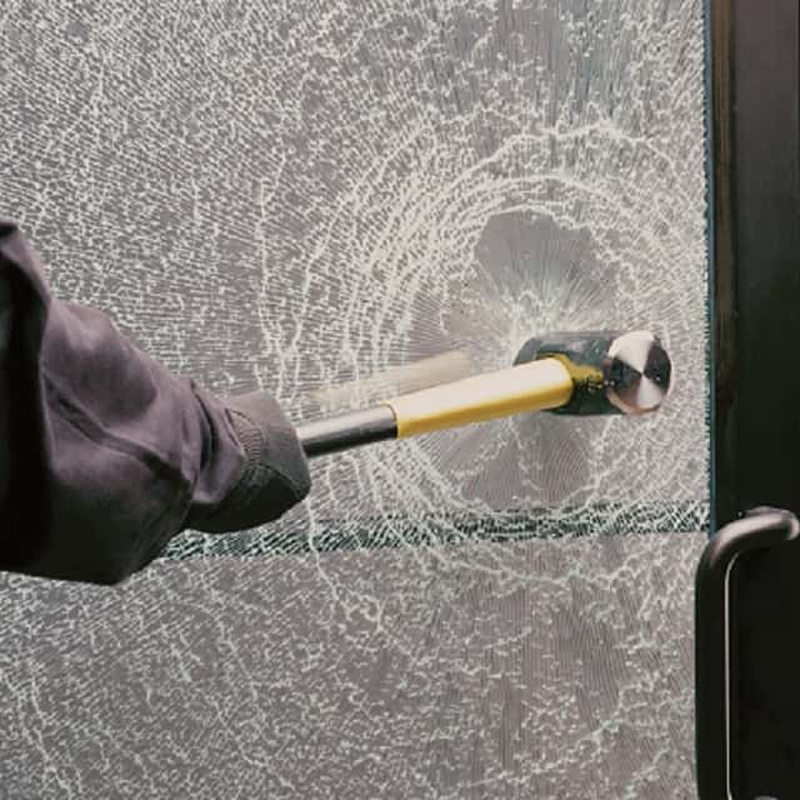
Vehicle owners constantly face the challenge of protecting their car's paintwork from environmental damage, scratches, and everyday wear. Two popular solutions have emerged as industry leaders: paint protection film and ceramic coatings. Understanding the key differences between these protective technologies is crucial for making an informed decision about your vehicle's long-term care and value preservation.
Understanding Paint Protection Film Technology
Composition and Material Properties
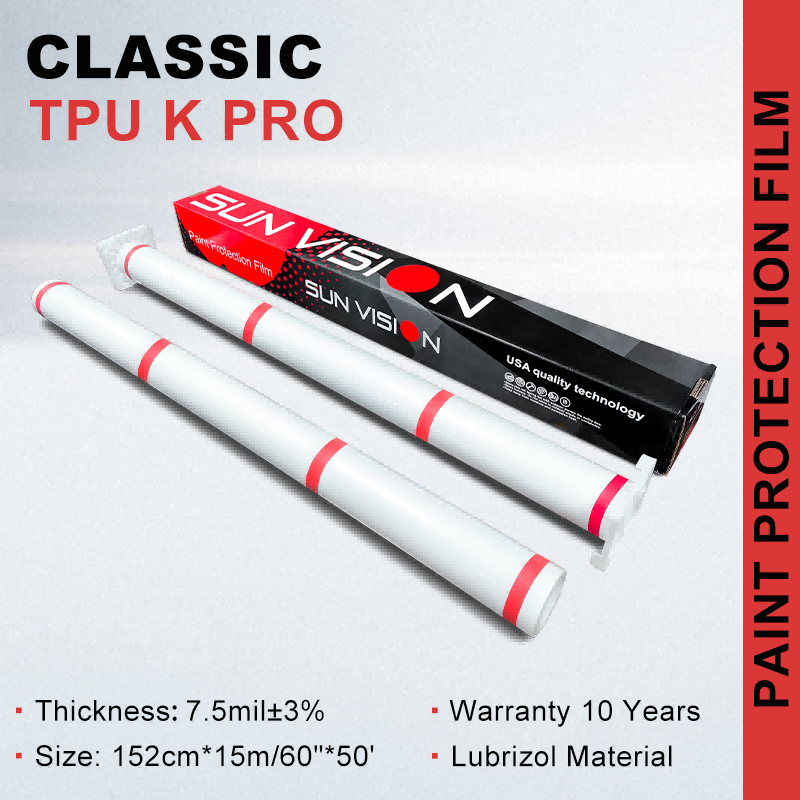
Paint protection film represents a sophisticated thermoplastic urethane technology designed to create an invisible shield over vehicle surfaces. This transparent material typically measures between 6 to 8 mils in thickness, providing substantial physical barrier protection against rock chips, scratches, and environmental contaminants. Modern formulations incorporate self-healing properties that allow minor scratches to disappear when exposed to heat.
The advanced polymer structure of paint protection film delivers exceptional optical clarity while maintaining flexibility across various temperature ranges. High-quality films feature multi-layer construction with specialized adhesive systems that ensure long-term bonding without damage to underlying paint surfaces. This technology has evolved significantly from its military origins to become the preferred choice for premium vehicle protection.
Installation Process and Coverage Options
Professional installation requires precise measurement, cutting, and application techniques to achieve seamless results. Installers use computer-controlled cutting systems and specialized tools to ensure perfect fit and finish across complex vehicle contours. The process typically involves thorough surface preparation, careful positioning, and heat activation to achieve optimal adhesion and conformability.
Coverage options range from high-impact areas like front bumpers and hoods to full-vehicle applications depending on protection requirements and budget considerations. Strategic partial coverage focuses on areas most vulnerable to damage, while comprehensive installations provide maximum protection for luxury and collector vehicles. The installation complexity varies significantly based on vehicle design and chosen coverage areas.
Ceramic Coating Fundamentals
Chemical Composition and Bonding Mechanisms
Ceramic coatings utilize silicon dioxide or titanium dioxide nanoparticles suspended in specialized carrier solutions to create durable protective layers. These coatings chemically bond with paint surfaces at the molecular level, forming semi-permanent barriers that resist environmental contamination and UV degradation. The curing process involves solvent evaporation and chemical cross-linking that enhances durability and performance characteristics.
Professional-grade ceramic formulations typically measure between 2 to 5 microns in thickness, significantly thinner than paint protection film alternatives. Despite reduced physical thickness, quality ceramic coatings provide excellent chemical resistance and hydrophobic properties that facilitate easier maintenance routines. The molecular bonding creates surfaces with enhanced hardness ratings and improved scratch resistance compared to untreated paint.
Application Methods and Curing Requirements
Ceramic coating application demands meticulous surface preparation including paint correction, decontamination, and environmental control during installation. Professional applicators use specialized techniques to ensure even distribution and proper curing conditions throughout the process. Temperature, humidity, and contamination control significantly impact final coating performance and longevity.
The curing process extends beyond initial application, with full hardness development occurring over several days to weeks depending on environmental conditions. During this period, vehicles require careful handling and protection from water exposure and contaminants that could compromise coating integrity. Proper curing ensures maximum durability and performance from the ceramic protection system.
Comparative Protection Capabilities
Physical Impact Resistance
Paint protection film excels in physical impact scenarios due to its substantial thickness and energy-absorbing properties. The material effectively prevents stone chips, key scratches, and minor impacts that would otherwise damage underlying paint surfaces. Self-healing characteristics allow the film to recover from minor damage through heat application, maintaining appearance and protection levels over time.
Ceramic coatings provide limited physical protection against impacts and scratches due to their minimal thickness profile. While these coatings increase surface hardness and provide some scratch resistance, they cannot prevent damage from significant impacts or sharp objects. The protection primarily focuses on chemical resistance and surface enhancement rather than physical barrier properties.
Environmental Protection Performance
Both protection methods offer excellent UV resistance and chemical protection against environmental contaminants. Paint protection film provides complete barrier protection against acid rain, bird droppings, tree sap, and other corrosive substances that contact vehicle surfaces. The physical barrier prevents direct contact between contaminants and paint, eliminating potential chemical etching or staining.
Ceramic coatings create chemically resistant surfaces that repel most environmental contaminants while providing excellent UV protection. The hydrophobic properties facilitate easy cleaning and maintenance by preventing contaminant adhesion to treated surfaces. However, prolonged exposure to highly corrosive substances may eventually penetrate the coating and reach underlying paint layers.
Installation Considerations and Requirements
Professional Installation Standards
Both protection methods require professional installation to achieve optimal results and warranty coverage. Paint protection film installation demands specialized training, equipment, and environmental controls to ensure proper adhesion and appearance. Certified installers undergo extensive training programs and maintain quality standards through ongoing education and certification requirements.
Ceramic coating application requires similar professional expertise with emphasis on surface preparation and application techniques. Installers must understand paint correction procedures, contamination removal, and proper coating application methods to achieve specified performance levels. Environmental control during application and curing phases significantly impacts final coating quality and durability.
Facility and Equipment Requirements
Professional installation facilities require controlled environments with appropriate lighting, temperature control, and contamination management systems. Paint protection film installation benefits from dust-free environments and specialized tools including heat guns, squeegees, and cutting systems. Proper facility design ensures consistent results and minimizes installation defects that could compromise protection performance.
Ceramic coating facilities must maintain strict environmental controls during application and initial curing phases. Temperature and humidity monitoring systems ensure optimal curing conditions while preventing contamination that could affect coating adhesion or appearance. Professional equipment including infrared curing lamps and application tools enhance installation quality and efficiency.
Maintenance and Longevity Factors
Ongoing Care Requirements
Paint protection film maintenance involves regular washing with appropriate products and techniques to preserve optical clarity and protective properties. Quality films resist yellowing and degradation when properly maintained, though extreme environmental exposure may eventually require replacement. Professional maintenance services can address minor damage and extend service life through proper care procedures.
Ceramic coatings require specialized maintenance products and techniques to preserve hydrophobic properties and surface characteristics. Regular maintenance washing with pH-neutral products and periodic coating renewal treatments help maintain performance levels throughout the service life. Improper maintenance products or techniques can compromise coating effectiveness and require professional restoration services.
Expected Service Life
High-quality paint protection film typically provides 5 to 10 years of effective protection depending on environmental exposure and maintenance practices. Premium films feature extended warranties reflecting confidence in long-term performance and durability. Replacement involves complete removal and reinstallation, though advances in adhesive technology have simplified removal procedures.
Ceramic coating longevity varies significantly based on formulation quality and maintenance practices, with professional-grade products offering 2 to 5 years of effective protection. Some premium ceramic systems claim extended durability, though real-world performance depends heavily on environmental factors and care procedures. Coating renewal or reapplication may be required to maintain optimal protection levels over time.
Cost Analysis and Value Considerations
Initial Investment Requirements
Paint protection film installation costs vary significantly based on coverage area and film quality, with partial coverage starting around moderate investment levels and full-vehicle applications requiring substantial financial commitment. Premium films with advanced features command higher prices but offer superior performance and warranty coverage. The investment reflects both material costs and specialized installation expertise required for professional results.
Ceramic coating costs depend on product quality and preparation requirements, with professional installations typically requiring moderate to significant investment depending on vehicle condition and coating specifications. Paint correction services often represent substantial portions of total project costs, particularly for vehicles requiring extensive surface preparation. Multiple coating layers or premium formulations increase overall investment requirements.
Long-term Value Proposition
Both protection methods contribute to vehicle value preservation by maintaining paint condition and appearance over extended periods. Paint protection film provides measurable resale value benefits by preventing physical damage that would otherwise require expensive repair work. The removable nature allows for underlying paint revelation that often appears factory-fresh after years of protection.
Ceramic coatings enhance vehicle appearance and ease of maintenance while providing moderate value preservation benefits. The protection primarily focuses on maintaining paint condition rather than preventing physical damage, limiting resale value impact compared to physical barrier protection methods. However, the enhanced appearance and maintenance benefits provide ongoing ownership satisfaction and reduced care requirements.
FAQ
Can paint protection film and ceramic coating be used together
Yes, many professional installers recommend combining both protection methods for optimal results. Paint protection film provides physical barrier protection while ceramic coating enhances the film's surface properties and ease of maintenance. This combination approach maximizes protection benefits though it requires higher initial investment and specialized installation procedures.
How long does each protection method take to install
Paint protection film installation typically requires 1-3 days depending on coverage area and vehicle complexity. Full-vehicle applications may extend to a week including preparation time. Ceramic coating installation usually takes 2-5 days including paint correction, application, and initial curing phases. Both processes require adequate time for proper preparation and installation procedures.
Which protection method works better for high-mileage vehicles
High-mileage vehicles often benefit more from ceramic coating applications due to their focus on paint enhancement and protection rather than physical impact resistance. Existing paint imperfections can be addressed through correction procedures before coating application. Paint protection film may highlight existing damage unless extensive preparation work is performed prior to installation.
What happens if the protection needs repair or replacement
Paint protection film can often be sectionally repaired or replaced if damaged, with professional installers able to address specific areas without complete reinstallation. Ceramic coatings typically require complete removal and reapplication if damaged or degraded, though spot treatments may address minor issues. Both protection methods benefit from professional assessment and repair services when damage occurs.