
 EN
EN
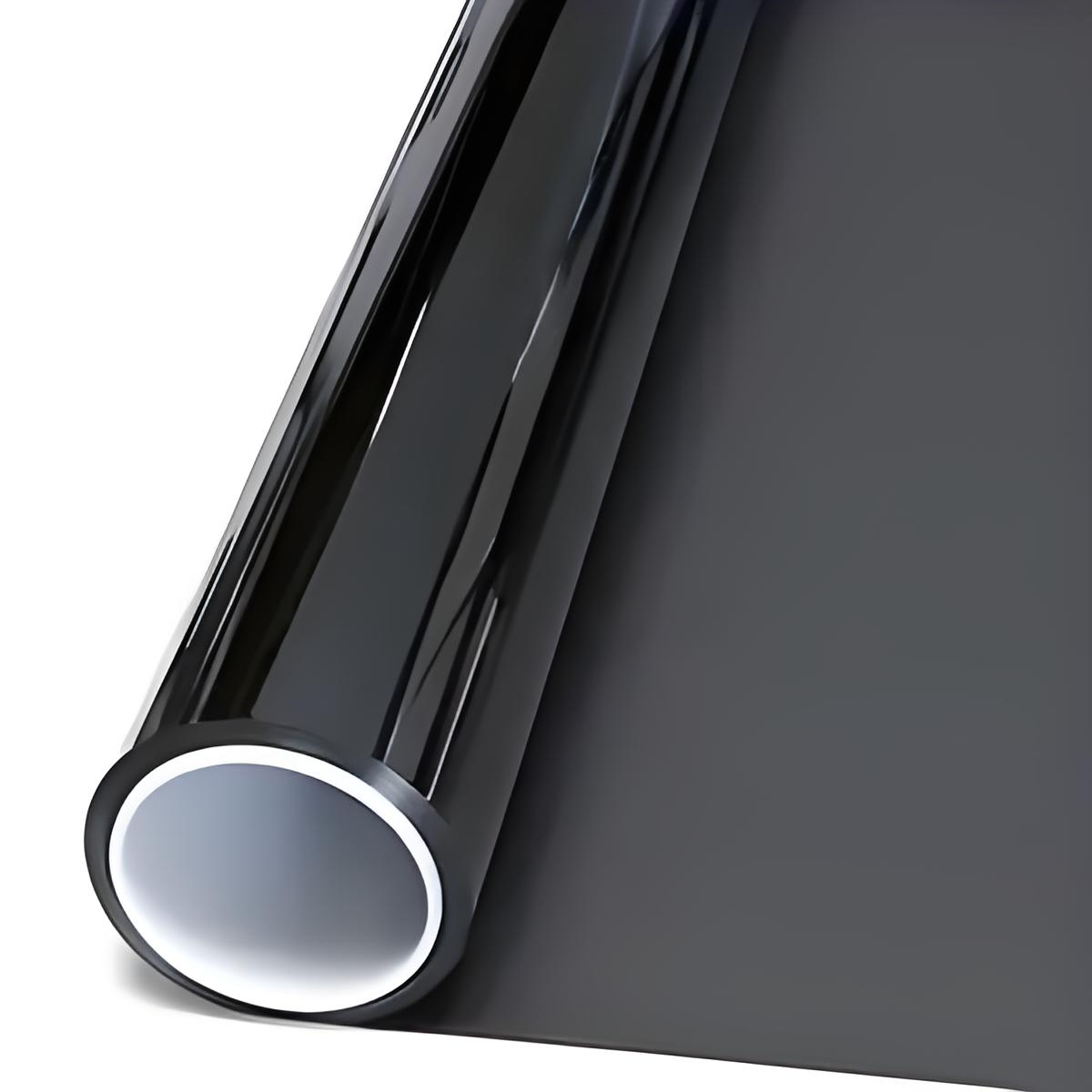
Selecting the appropriate sputtering film for your specific application requires careful consideration of multiple technical and performance factors. The success of your project depends heavily on choosing a film that matches your substrate requirements, environmental conditions, and optical specifications. Understanding the fundamental properties and characteristics of different sputtering film options will enable you to make informed decisions that optimize both performance and cost-effectiveness. Whether you're working on architectural glazing, automotive applications, or specialized industrial projects, the right film selection can significantly impact your project's overall success and longevity.
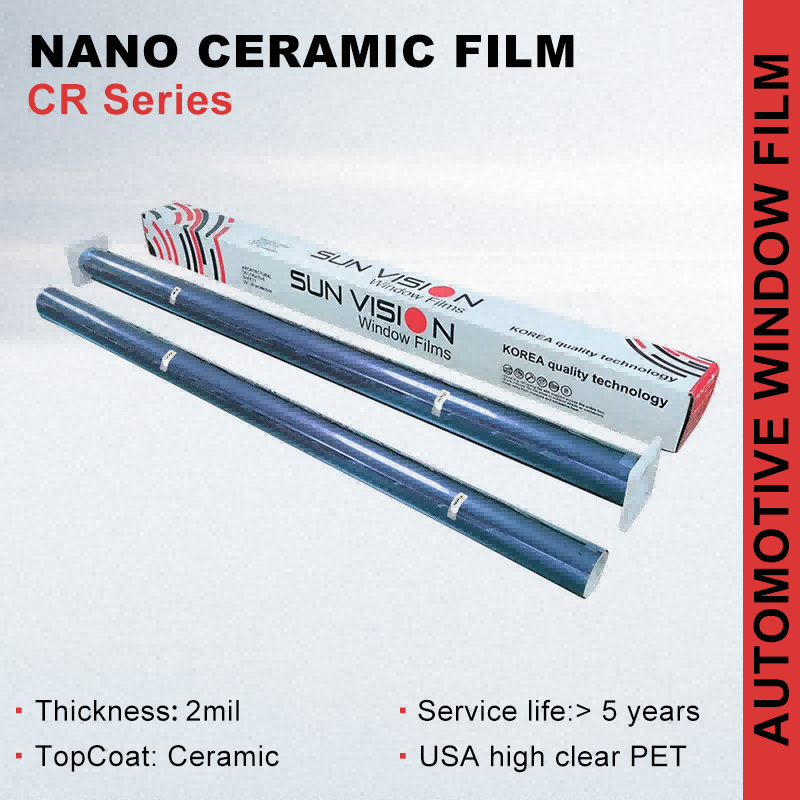
Understanding Sputtering Film Technology
Physical Vapor Deposition Process
The sputtering process involves bombarding a target material with high-energy ions in a vacuum chamber, causing atoms to be ejected and deposited onto a substrate surface. This physical vapor deposition technique creates extremely thin, uniform coatings that can be precisely controlled for thickness and composition. The process allows for excellent adhesion between the film and substrate, resulting in durable coatings that maintain their properties over extended periods. Modern sputtering systems can deposit multiple layers of different materials, creating complex optical and functional properties that would be impossible to achieve through other coating methods.
The quality of the sputtering process depends on several critical parameters including chamber pressure, target power, substrate temperature, and gas flow rates. These variables must be carefully controlled to ensure consistent film properties across the entire substrate surface. Advanced sputtering systems incorporate real-time monitoring and feedback control systems that maintain optimal conditions throughout the deposition process. This level of control enables manufacturers to produce films with extremely tight tolerances and consistent performance characteristics.
Material Composition and Properties
Different target materials produce films with vastly different optical, electrical, and mechanical properties. Metallic targets such as silver, aluminum, and copper create films with high electrical conductivity and reflectivity, making them ideal for applications requiring heat rejection or electromagnetic shielding. Ceramic targets including various metal oxides and nitrides produce films with excellent durability, chemical resistance, and controlled optical properties. The choice of target material directly influences the final performance characteristics of the sputtering film.
Multi-layer sputtering films combine different materials to achieve complex performance profiles that single-layer coatings cannot provide. These sophisticated structures can simultaneously offer low emissivity, selective spectral transmission, and enhanced durability. The interaction between different layers creates optical interference effects that can be engineered to achieve specific color appearances or transmission characteristics. Understanding these material interactions is crucial for selecting the optimal film configuration for your specific requirements.
Key Performance Specifications
Optical Properties and Light Management
The optical performance of a sputtering film encompasses several critical parameters including visible light transmission, solar heat gain coefficient, and ultraviolet rejection. These properties determine how the film will affect natural lighting, energy efficiency, and occupant comfort in the final application. Visible light transmission typically ranges from 10% to 80%, allowing for various levels of transparency while maintaining other performance benefits. The solar heat gain coefficient measures how much solar energy passes through the film, directly impacting cooling loads and energy consumption.
Color neutrality and consistency are particularly important for architectural and automotive applications where aesthetic considerations are paramount. High-quality sputtering films maintain consistent color appearance across different viewing angles and lighting conditions. The film's spectral selectivity allows for optimization of specific wavelength ranges, enabling high visible light transmission while blocking infrared and ultraviolet radiation. Advanced optical modeling software helps predict how different film configurations will perform under various lighting conditions and installation scenarios.
Durability and Environmental Resistance
Long-term durability is a critical consideration for any sputtering film application, particularly in demanding environments. The film must withstand temperature cycling, humidity exposure, and potential chemical attack without degrading its performance characteristics. Accelerated aging tests simulate years of real-world exposure in controlled laboratory conditions, providing valuable data about expected service life. Proper film selection considers the specific environmental conditions where the product will be installed and used.
Scratch resistance and mechanical durability are essential for films that may be subjected to handling, cleaning, or potential impact during installation or service. The hardness and adhesion properties of the film determine its ability to maintain integrity under mechanical stress. Some applications require additional protective overcoats to enhance scratch resistance and cleanability. Understanding the mechanical requirements of your specific application helps ensure the selected film will provide satisfactory long-term performance.
Application-Specific Considerations
Substrate Compatibility and Adhesion
The compatibility between the sputtering film and substrate material significantly affects both performance and reliability. Different substrate materials including glass, metals, and polymers require specific surface preparation and film formulations to achieve optimal adhesion. Glass substrates typically provide excellent adhesion for most sputtering films due to their smooth, clean surfaces and chemical compatibility. Metal substrates may require specialized primer layers or surface treatments to ensure proper film adhesion and prevent delamination.
Surface preparation protocols must be carefully followed to achieve reliable adhesion between the film and substrate. Contamination from oils, fingerprints, or atmospheric pollutants can significantly compromise film adhesion and lead to premature failure. Proper cleaning procedures using appropriate solvents and techniques ensure optimal surface conditions for film deposition. The thermal expansion characteristics of both the film and substrate must be compatible to prevent stress-induced failures during temperature cycling.
Processing and Installation Requirements
The processing requirements for different sputtering films vary significantly depending on their composition and intended application. Some films require specific handling procedures during fabrication to prevent damage or contamination. Post-deposition treatments such as annealing or protective coating application may be necessary to achieve final performance specifications. Understanding these processing requirements helps ensure successful integration into your manufacturing workflow.
Installation considerations include the film's sensitivity to temperature, humidity, and mechanical stress during handling and mounting. Proper storage conditions must be maintained to preserve film quality before installation. Some films may require specific installation techniques or environmental controls to prevent damage during the mounting process. Training installation personnel on proper handling techniques is essential for maintaining film integrity and achieving expected performance.
Quality Assessment and Testing
Performance Verification Methods
Comprehensive testing protocols ensure that the selected sputtering film meets all specified performance requirements. Optical testing includes spectrophotometric analysis to measure transmission, reflection, and absorption characteristics across the entire solar spectrum. These measurements verify that the film meets specified optical performance criteria and provide baseline data for quality control purposes. Advanced testing equipment can measure optical properties at multiple angles of incidence, providing complete characterization of the film's optical behavior.
Durability testing involves exposure to accelerated aging conditions that simulate years of real-world service in compressed time periods. Temperature cycling, humidity exposure, and ultraviolet radiation testing help predict long-term performance and identify potential failure modes. Salt spray testing evaluates corrosion resistance for films that may be exposed to marine environments. These test results provide confidence in the film's ability to maintain performance over its expected service life.
Quality Control Standards
Industry standards provide guidelines for testing methods, performance criteria, and quality assurance procedures for sputtering films. Compliance with relevant standards ensures compatibility with industry practices and regulatory requirements. International standards such as ASTM and ISO specifications provide standardized test methods and performance criteria that enable meaningful comparisons between different film options. Adherence to these standards also facilitates acceptance by architects, engineers, and regulatory authorities.
Statistical process control methods help maintain consistent film quality during production. Regular monitoring of key performance parameters enables early detection of process variations that could affect film quality. Documentation of test results and process parameters provides traceability and quality assurance throughout the manufacturing process. Proper quality control procedures ensure that every film meets specified requirements and performs as expected in its intended application.
Cost Optimization Strategies
Performance versus Price Analysis
Balancing performance requirements with cost considerations requires careful analysis of the total value proposition offered by different sputtering film options. While initial material costs are important, the total cost of ownership includes factors such as energy savings, maintenance requirements, and expected service life. High-performance films may justify higher initial costs through improved energy efficiency or extended durability that reduces long-term operating expenses.
Life cycle cost analysis provides a comprehensive framework for evaluating different film options based on their total economic impact over the expected service life. This analysis includes initial material and installation costs, ongoing maintenance requirements, energy performance benefits, and replacement costs. Understanding these factors enables more informed decision-making that considers both short-term and long-term economic implications of the film selection.
Volume and Sourcing Considerations
Project scale significantly influences the cost-effectiveness of different sputtering film options. Large-volume orders typically qualify for quantity discounts and may justify custom formulations tailored to specific requirements. Smaller projects may benefit from selecting standard products that are readily available and competitively priced. Understanding volume thresholds and pricing structures helps optimize material costs for projects of different scales.
Supply chain reliability and lead times are critical factors that can impact project schedules and costs. Established manufacturers with proven track records typically offer more reliable delivery schedules and technical support. Backup sourcing options provide insurance against supply disruptions that could delay project completion. Evaluating supplier capabilities and reliability helps ensure successful project execution within budget and schedule constraints.
FAQ
What factors determine the appropriate thickness for a sputtering film
The optimal thickness for a sputtering film depends on the desired optical properties, durability requirements, and manufacturing constraints. Thicker films generally provide better durability and more pronounced optical effects, but they also require longer deposition times and higher material costs. The specific application requirements, including expected service life and performance specifications, guide the selection of appropriate film thickness. Most commercial sputtering films range from 50 to 500 nanometers in thickness, with specific values optimized for particular applications.
How do environmental conditions affect sputtering film performance
Environmental conditions including temperature, humidity, and atmospheric pollutants can significantly impact the performance and longevity of sputtering films. High temperatures may cause thermal stress or accelerate degradation processes, while humidity can promote corrosion or adhesion failures in susceptible films. Ultraviolet radiation exposure can cause photochemical degradation in some film materials. Proper film selection considers the specific environmental conditions where the product will be installed and operated throughout its service life.
Can sputtering films be customized for specific project requirements
Many manufacturers offer customization options for sputtering films to meet specific project requirements. Custom formulations can optimize optical properties, color appearance, or durability characteristics for particular applications. However, customization typically requires minimum order quantities and longer lead times compared to standard products. The economic feasibility of customization depends on project scale, performance requirements, and available alternatives from standard product lines.
What quality assurance measures ensure consistent sputtering film performance
Comprehensive quality assurance programs include incoming material inspection, process control monitoring, and finished product testing. Statistical process control methods track key parameters throughout the manufacturing process to ensure consistency and identify potential quality issues before they affect the final product. Batch testing verifies that each production run meets specified performance criteria, while accelerated aging tests predict long-term durability. Proper documentation and traceability systems enable quality issues to be quickly identified and resolved.