 EN
EN
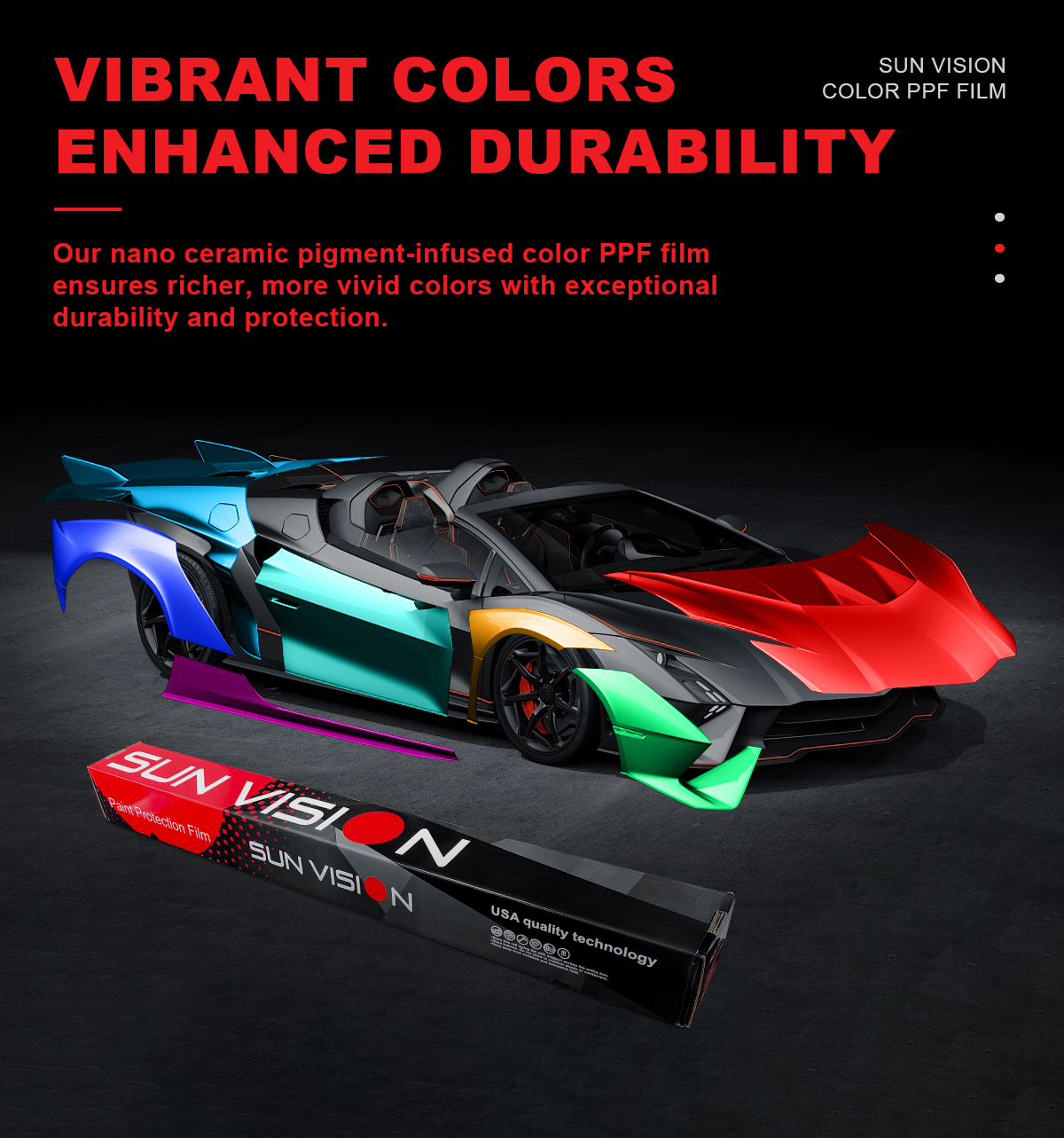
Modern vehicle owners face an ongoing battle against environmental hazards that threaten their car's pristine appearance and resale value. From road debris and stone chips to harsh UV rays and chemical contaminants, daily driving exposes automotive paint to countless threats that can permanently damage the finish. Paint protection film emerges as the ultimate defensive solution, providing an invisible shield that preserves both aesthetic appeal and financial investment in your vehicle.
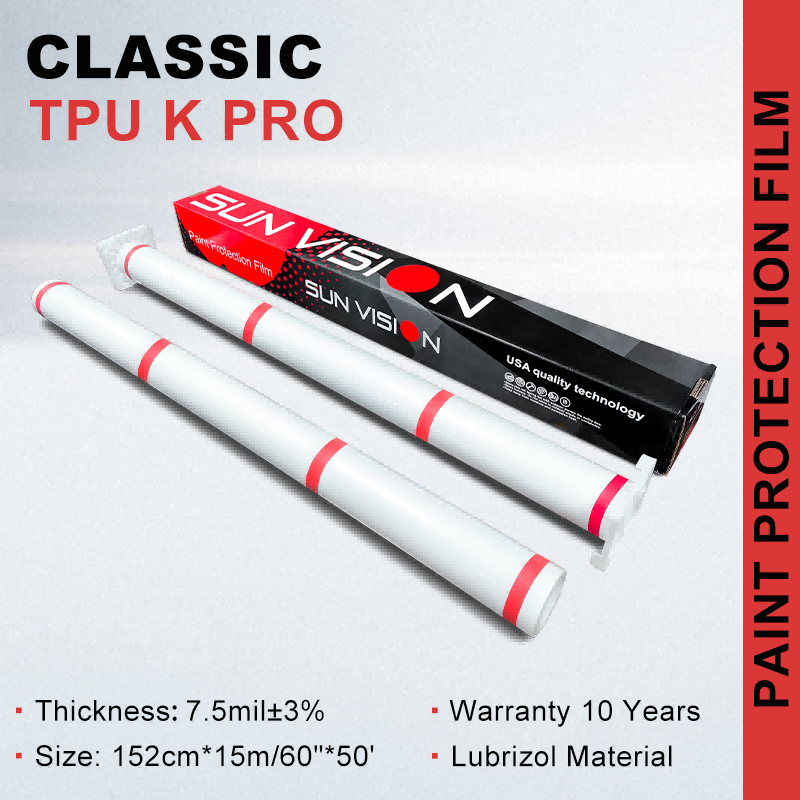
The automotive industry has witnessed remarkable technological advancement in protective coating solutions, with paint protection film representing the pinnacle of surface defense innovation. This transparent thermoplastic urethane barrier creates an impenetrable layer between your vehicle's original paint and the hostile external environment. Professional installations have become increasingly sophisticated, offering coverage options that range from high-impact zones to complete vehicle wrapping, ensuring comprehensive protection tailored to individual driving patterns and risk exposure levels.
Understanding the mechanics behind paint protection film technology reveals why this solution has become indispensable for discerning vehicle owners. The multilayer construction incorporates advanced polymer chemistry that provides exceptional clarity while maintaining superior impact resistance. Self-healing properties enable minor scratches and swirl marks to disappear through heat activation, preserving the film's optical clarity and protective integrity over extended service periods. This innovative approach transforms vehicle protection from reactive damage repair to proactive preservation strategy.
Advanced Material Science Behind Protection Films
Thermoplastic Urethane Foundation Technology
The foundation of effective paint protection film lies in thermoplastic urethane polymer technology, which delivers exceptional mechanical properties essential for automotive applications. This advanced material exhibits remarkable tensile strength and elongation characteristics that enable conformity to complex vehicle contours without compromising protective performance. The polymer matrix structure provides excellent resistance to environmental degradation, ensuring long-term stability under extreme temperature fluctuations and UV exposure conditions.
Manufacturing processes incorporate specialized additives that enhance the base polymer's performance characteristics, including impact resistance modifiers and optical clarity enhancers. These formulations undergo rigorous testing protocols to validate performance parameters such as adhesion strength, optical transmission, and weatherability factors. Quality control measures ensure consistent material properties across production batches, maintaining the reliability standards that professional installers and end users depend upon for optimal protection outcomes.
Self-Healing Mechanism Functionality
Revolutionary self-healing technology integrated into modern paint protection film systems enables automatic repair of minor surface damage through thermally activated molecular reorganization. The healing mechanism operates through polymer chain mobility that allows damaged areas to flow back into their original configuration when exposed to heat sources such as direct sunlight or warm water application. This capability significantly extends the service life of protective installations by maintaining optical clarity and surface smoothness despite accumulated minor impacts.
The self-healing process activates at temperatures typically encountered during normal vehicle operation and environmental exposure, making the repair mechanism practical for real-world applications. Laboratory testing demonstrates healing efficiency for scratches up to specific depths, providing quantifiable performance benchmarks for installation professionals and vehicle owners. This technology represents a paradigm shift from traditional static protection methods toward dynamic, responsive surface defense systems.
Installation Methodologies and Coverage Strategies
Precision Application Techniques
Professional paint protection film installation requires specialized techniques and environmental controls to achieve optimal adhesion and appearance results. Controlled environment facilities maintain specific temperature and humidity parameters that optimize film handling characteristics and adhesive performance during application processes. Surface preparation protocols involve comprehensive cleaning and decontamination procedures that remove residual polishing compounds, wax residues, and environmental contaminants that could compromise adhesion integrity.
Installation professionals utilize computer-controlled cutting systems that generate precise patterns for specific vehicle models, ensuring perfect fit and minimal waste generation. Advanced application tools including squeegees, heat guns, and conformability aids enable proper film positioning and elimination of air bubbles that could affect optical quality or long-term adhesion performance. Quality assurance inspections verify proper edge sealing and surface conformity before final acceptance of completed installations.
Strategic Coverage Zone Selection
Effective protection strategies require careful analysis of vehicle-specific impact patterns and owner driving habits to determine optimal coverage areas for paint protection film application. High-impact zones including front bumpers, hood leading edges, and door handle areas typically receive priority coverage due to elevated exposure risk from road debris and daily use patterns. Comprehensive protection packages may extend coverage to include rocker panels, rear bumper sections, and mirror housings depending on individual risk assessment outcomes.
Cost-benefit analysis helps vehicle owners select coverage configurations that provide maximum protection value within budget constraints while addressing primary damage risk factors. Partial coverage installations focus protection resources on the most vulnerable areas, while full-vehicle wrapping offers complete paint preservation for premium vehicles or extreme driving conditions. Professional consultation services evaluate individual requirements and recommend optimal coverage strategies based on vehicle type, usage patterns, and protection objectives.
Performance Benefits and Value Preservation
Impact Resistance and Damage Prevention
Paint protection film demonstrates superior impact resistance capabilities that effectively prevent stone chips, road debris damage, and minor collision impacts from reaching the underlying paint surface. Laboratory testing protocols measure impact energy absorption and penetration resistance across various projectile sizes and velocities, providing quantitative performance data for protection effectiveness evaluation. Real-world performance validation through field testing confirms laboratory results and establishes confidence in protection capabilities under actual driving conditions.
The film's energy absorption characteristics distribute impact forces across larger surface areas, reducing localized stress concentrations that typically cause paint damage. This mechanism proves particularly effective against high-velocity impacts from gravel, sand, and other road debris commonly encountered during highway driving. The protective barrier maintains integrity even under repeated impact exposure, providing consistent defense throughout the service life of the installation.
Resale Value Protection and Investment Returns
Vehicle resale values benefit significantly from paint protection film installations through preservation of original factory finish quality and elimination of common depreciation factors associated with paint damage. Market research indicates that vehicles with protected paint surfaces command premium resale prices compared to similar models showing typical wear patterns and damage accumulation. The investment in professional protection installation typically recovers costs through enhanced resale value, making it a financially sound decision for most vehicle owners.
Documentation of protection system installation and maintenance records provides additional value during resale negotiations by demonstrating proactive vehicle care and preservation efforts. Potential buyers recognize the benefits of existing protection coverage, often viewing it as a valuable feature that reduces their future maintenance concerns and ownership costs. This market perception translates directly into higher sale prices and faster transaction completion times for protected vehicles.
Environmental Protection and Chemical Resistance
UV Radiation Defense Mechanisms
Ultraviolet radiation represents one of the most persistent threats to automotive paint systems, causing gradual degradation through photochemical breakdown processes that result in fading, chalking, and gloss reduction over time. Paint protection film incorporates specialized UV stabilizers and absorbers that intercept harmful radiation before it reaches the underlying paint surface. These additives maintain their protective effectiveness throughout the film's service life, providing consistent defense against solar radiation damage.
The film's optical properties allow visible light transmission while selectively filtering damaging UV wavelengths, maintaining natural color appearance while providing comprehensive protection. Advanced formulations achieve this selective filtering without introducing color distortion or haze that could affect vehicle aesthetics. Long-term exposure testing validates UV protection performance across geographic regions with varying solar intensity levels, ensuring consistent protection regardless of climate conditions.
Chemical Contamination Barrier Properties
Chemical resistance capabilities of modern paint protection film systems provide effective barriers against a wide range of environmental contaminants including acid rain, bird droppings, tree sap, and industrial pollutants that can cause permanent paint damage. The film's chemical inertness prevents reactive substances from reaching the paint surface while maintaining easy cleaning properties that facilitate contaminant removal without surface damage. This chemical barrier function proves particularly valuable in urban environments with elevated pollution levels.
Testing protocols evaluate resistance to specific chemical exposures commonly encountered in automotive environments, including petroleum products, cleaning chemicals, and naturally occurring organic compounds. The film maintains structural integrity and optical clarity even after extended exposure to aggressive chemical environments, providing reliable protection throughout its service life. Easy removal characteristics ensure that contaminants can be cleaned from the film surface without requiring harsh chemicals that might damage underlying paint systems.
Maintenance Requirements and Longevity Factors
Care Protocol Optimization
Proper maintenance protocols maximize paint protection film performance and service life through appropriate cleaning techniques and preventive care measures. Recommended washing procedures utilize pH-neutral cleaning products and soft washing tools that preserve the film's surface properties while removing accumulated contaminants effectively. Regular maintenance schedules help identify potential issues before they become significant problems, enabling timely intervention that preserves protection effectiveness.
Specialized care products designed specifically for protected surfaces provide optimal cleaning performance without compromising film integrity or optical properties. These formulations avoid harsh chemicals and abrasive compounds that could degrade the film's surface characteristics or self-healing capabilities. Professional detailing services familiar with protection film requirements offer maintenance programs that ensure optimal performance throughout the protection system's service life.
Service Life Expectations and Replacement Indicators
High-quality paint protection film installations typically provide effective protection for seven to ten years under normal operating conditions, with service life variations depending on environmental exposure levels and maintenance quality. Performance degradation indicators include edge lifting, yellowing, or loss of self-healing effectiveness that signal approaching replacement timing. Proactive replacement scheduling prevents protection gaps that could allow damage to underlying paint surfaces.
Warranty coverage provided by reputable manufacturers and installers offers protection against premature failure and ensures replacement availability when needed. Comprehensive warranty programs typically include coverage for material defects, installation workmanship, and specific performance parameters such as yellowing resistance and adhesion integrity. These warranty provisions provide additional confidence in protection system investments and long-term performance reliability.
FAQ
How long does paint protection film installation typically take
Professional paint protection film installation duration varies based on coverage area and vehicle complexity, with partial installations requiring one to two days and full-vehicle applications extending to three to five days. Complex vehicle geometries and custom pattern requirements may extend installation timeframes, while standard coverage packages for common vehicle models can often be completed within established timeframes. Quality installations should not be rushed, as proper surface preparation and application techniques are essential for optimal performance and longevity.
Can paint protection film be removed without damaging the original paint
Modern paint protection films are designed for clean removal without paint damage when proper removal techniques are employed by experienced professionals. Heat application and specialized removal tools facilitate film separation from paint surfaces while preserving the underlying finish integrity. Older film installations or improper removal attempts may present challenges, emphasizing the importance of professional removal services that understand proper techniques and have appropriate equipment for safe film extraction.
Does paint protection film affect vehicle warranty coverage
Paint protection film installations performed by certified professionals using approved products typically do not void vehicle warranty coverage, as the films are designed to protect rather than modify original paint systems. However, vehicle owners should verify warranty terms with manufacturers before installation and ensure that chosen installers follow recommended procedures. Proper documentation of installation processes and materials used provides additional protection for warranty claims should any issues arise during the coverage period.
What factors influence paint protection film cost considerations
Paint protection film costs depend on coverage area, film quality, vehicle complexity, and installation location, with prices ranging from several hundred dollars for basic packages to several thousand dollars for comprehensive protection systems. Premium films with enhanced self-healing capabilities and extended warranties command higher prices but provide superior long-term value through improved performance and durability. Geographic location and installer expertise levels also influence pricing structures, making comparison shopping and quality evaluation important factors in selection decisions.