 EN
EN
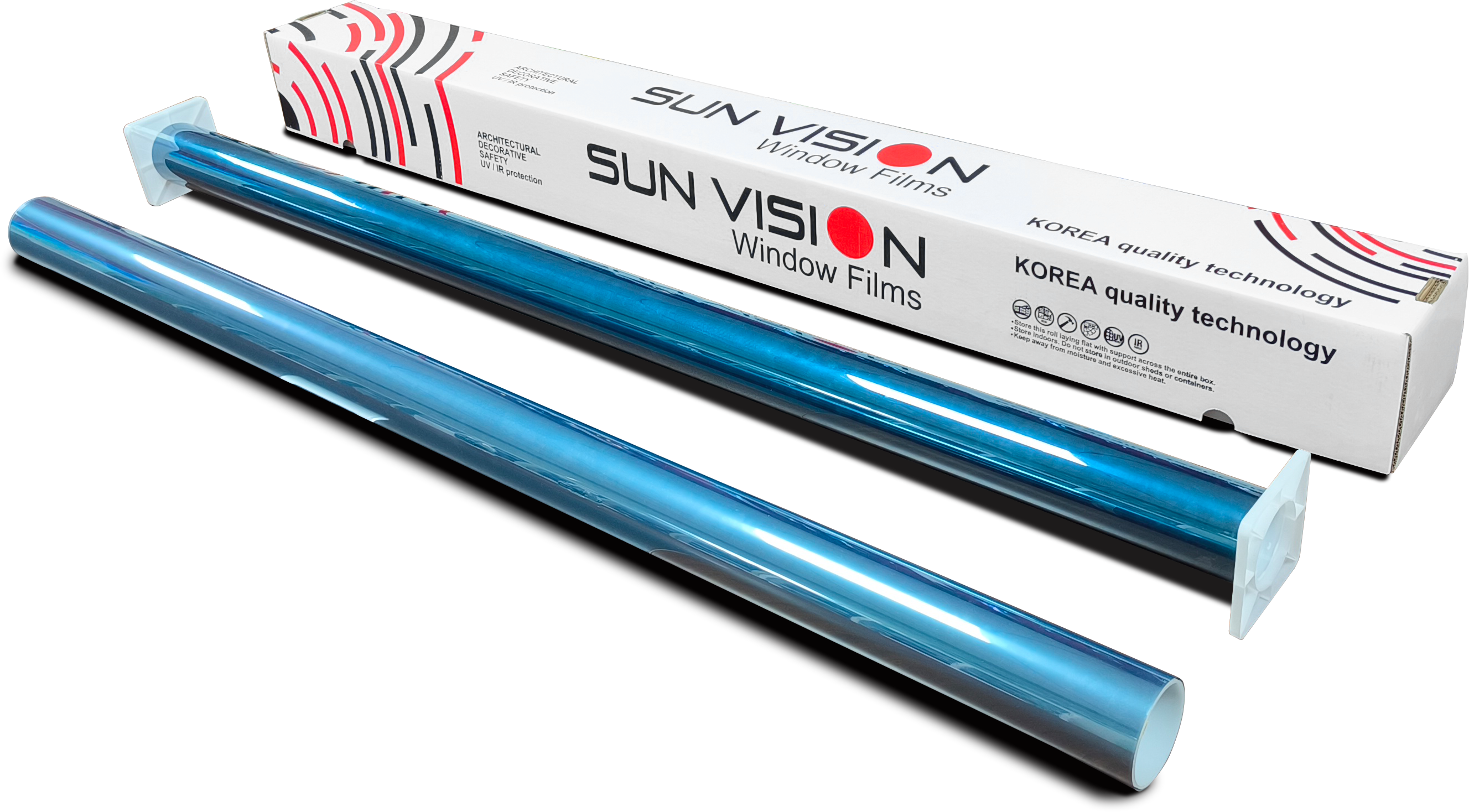
Protecting your vehicle's paint has become a critical consideration for car enthusiasts and everyday drivers alike. Modern automotive finishes face constant threats from environmental contaminants, road debris, and UV radiation. Two dominant protection technologies have emerged to address these challenges: Paint Protection Film and ceramic coatings. Understanding the fundamental differences between these solutions empowers vehicle owners to make informed decisions about safeguarding their automotive investments.
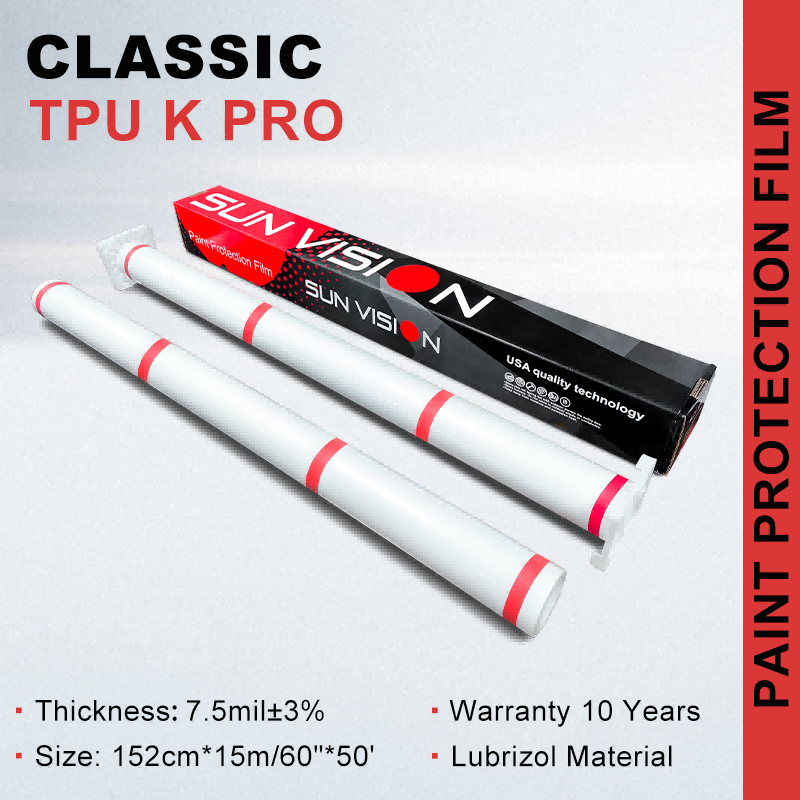
The automotive protection industry has witnessed significant technological advancement over the past decade. Vehicle owners now have access to sophisticated protection systems that were previously available only to luxury car manufacturers. These innovations address varying protection needs, from daily commute requirements to extreme performance applications. The choice between different protection methods often depends on specific usage patterns, environmental conditions, and long-term maintenance preferences.
Understanding Paint Protection Film Technology
Material Composition and Structure
Paint Protection Film represents a revolutionary approach to automotive surface protection through advanced polymer technology. The film consists of multiple layers designed to absorb impact energy while maintaining optical clarity. The base layer provides structural integrity, while specialized adhesive systems ensure proper bonding to painted surfaces. Modern car ppf formulations incorporate self-healing properties that allow minor scratches to disappear through heat activation.
Thermoplastic urethane serves as the primary material in premium protection films due to its exceptional durability and flexibility characteristics. This material maintains its protective properties across extreme temperature ranges while conforming to complex vehicle contours. The molecular structure allows for stress distribution across the film surface, preventing localized failure points that could compromise protection effectiveness.
Installation Process and Coverage Options
Professional installation requires specialized equipment and extensive training to achieve optimal results. The process begins with thorough surface preparation to eliminate any contaminants that could affect adhesion quality. Skilled technicians use precision cutting techniques to create custom patterns that match specific vehicle geometries. Advanced installation methods minimize visible seam lines while ensuring complete coverage of vulnerable areas.
Coverage options range from partial applications targeting high-impact zones to full-vehicle wrapping for comprehensive protection. Popular configurations include front-end packages covering bumpers, headlights, and leading edge surfaces. Full-hood applications provide extensive protection against stone chips and environmental damage. Complete vehicle wrapping offers maximum protection but requires significant investment and installation time.
Ceramic Coating Technology Overview
Chemical Composition and Bonding Mechanisms
Ceramic coatings utilize nanotechnology to create molecular bonds with painted surfaces, forming a semi-permanent protective layer. Silicon dioxide serves as the primary active ingredient, creating a crystalline structure that enhances surface hardness and chemical resistance. The curing process involves cross-linking reactions that produce a durable protective matrix capable of withstanding harsh environmental conditions.
Advanced formulations incorporate titanium dioxide and other ceramic particles to enhance specific performance characteristics. These additives improve UV resistance, thermal stability, and hydrophobic properties. The molecular structure creates microscopic surface textures that promote water beading and facilitate contamination removal. Professional-grade coatings often include multiple layers with varying properties to optimize protection and appearance enhancement.
Application Methods and Curing Requirements
Proper ceramic coating application demands meticulous surface preparation to achieve optimal bonding characteristics. The process begins with paint correction to eliminate imperfections that could be sealed beneath the coating. Application typically involves multiple thin layers applied under controlled environmental conditions. Temperature and humidity levels significantly impact curing times and final coating properties.
Curing requirements vary depending on coating formulation and environmental conditions. Initial flash times allow for leveling and cross-linking initiation, while full cure cycles may extend over several days. During this period, the coating develops its final hardness and chemical resistance properties. Professional installations often utilize infrared curing systems to accelerate the process while ensuring consistent results.
Performance Comparison Analysis
Physical Protection Capabilities
The fundamental difference between these protection methods lies in their approach to physical damage prevention. Car ppf provides a sacrificial barrier that absorbs impact energy from road debris and environmental hazards. The film's thickness and elasticity allow it to deform under impact while protecting the underlying paint surface. Self-healing properties enable recovery from minor damage without requiring replacement.
Ceramic coatings focus on surface hardness enhancement rather than impact absorption. The crystalline structure increases scratch resistance and provides excellent protection against chemical contamination. However, the thin coating profile offers limited protection against significant physical impacts. The coating's hardness can actually make it more susceptible to cracking under severe stress conditions.
Longevity and Maintenance Requirements
Long-term performance characteristics differ significantly between these protection technologies. High-quality paint protection films typically maintain their protective properties for five to ten years with proper maintenance. The film may develop signs of aging such as yellowing or edge lifting, but these issues rarely compromise protection effectiveness. Removal and replacement processes allow for system refresh without paint damage.
Ceramic coatings generally provide protection for two to five years depending on formulation quality and environmental exposure. The coating gradually degrades through chemical exposure and mechanical wear. Maintenance requirements include regular washing with pH-neutral products and periodic inspection for coating integrity. Professional maintenance services can extend coating life through proper care techniques and timely reapplication.
Cost Analysis and Value Considerations
Initial Investment Requirements
Financial considerations play a crucial role in protection system selection. Paint protection film installations typically require higher upfront investments due to material costs and labor-intensive application processes. Premium films command premium pricing, but their superior protection capabilities often justify the expense for high-value vehicles. Installation complexity and coverage area significantly impact total project costs.
Ceramic coating applications generally require lower initial investments compared to comprehensive film installations. However, proper surface preparation and professional application still represent significant expenses. Multiple coating layers and premium formulations increase costs but provide enhanced performance characteristics. The relatively simple application process helps control labor costs compared to film installations.
Long-term Value Assessment
Total cost of ownership calculations must consider maintenance requirements, replacement schedules, and resale value impacts. Paint protection films may require periodic replacement but provide consistent protection throughout their service life. The ability to remove films without paint damage preserves vehicle resale value while allowing for system updates.
Ceramic coatings offer attractive cost-per-year values due to their relatively low maintenance requirements. However, coating degradation necessitates periodic reapplication to maintain protection levels. The permanence of ceramic coatings can be advantageous for long-term vehicle ownership but may complicate future paint modifications or corrections.
Application Suitability Factors
Vehicle Usage Patterns
Optimal protection system selection depends heavily on intended vehicle usage and exposure conditions. High-mileage drivers operating in harsh environments benefit from the superior physical protection offered by paint protection films. Racing applications and off-road driving scenarios particularly favor film protection due to extreme debris exposure risks.
Urban commuting and garage-kept vehicles may find ceramic coatings perfectly adequate for their protection needs. The enhanced appearance and easy maintenance characteristics align well with show car applications and occasional driving scenarios. Climate considerations also influence system selection, with UV-intensive environments favoring ceramic coating UV protection capabilities.
Budget and Timeline Constraints
Project timing requirements often influence protection system selection. Paint protection film installations typically require several days for completion, especially for comprehensive coverage applications. Vehicle downtime considerations may favor ceramic coatings for time-sensitive projects. However, proper ceramic coating curing times still require careful scheduling to ensure optimal results.
Budget flexibility allows for customized protection strategies combining both technologies. Hybrid approaches might utilize paint protection film for high-impact areas while applying ceramic coatings to remaining surfaces. This strategy optimizes protection effectiveness while managing total project costs. Professional consultation helps identify optimal configuration options for specific applications.
FAQ
How long does car PPF last compared to ceramic coating
High-quality paint protection film typically lasts 5-10 years with proper maintenance, while ceramic coatings generally provide 2-5 years of protection. PPF longevity depends on environmental exposure and maintenance practices, with premium films offering superior durability. Ceramic coatings may require reapplication more frequently but often cost less per application cycle.
Can you apply ceramic coating over paint protection film
Yes, ceramic coatings can be applied over paint protection film to enhance gloss and hydrophobic properties. This combination provides maximum protection by combining PPF's physical barrier with ceramic coating's chemical resistance. The ceramic coating also helps protect the film from UV degradation and makes maintenance easier through improved dirt and water repellency.
Which protection method offers better value for daily driven vehicles
For daily driven vehicles, the best value depends on driving conditions and maintenance preferences. Cars exposed to heavy highway driving and road debris benefit more from PPF's physical protection. Urban drivers with garage parking may find ceramic coatings provide adequate protection at lower cost with easier maintenance requirements.
Is professional installation necessary for both protection methods
Professional installation is highly recommended for both PPF and ceramic coatings to ensure optimal performance and warranty coverage. PPF requires specialized tools and techniques for proper application without bubbles or lifting edges. Ceramic coatings demand precise surface preparation and application timing that DIY enthusiasts often struggle to achieve consistently.