 EN
EN
Privacy has become a paramount concern for homeowners and business owners alike, especially in densely populated areas where windows face neighboring properties or busy streets. The solution lies in selecting the right window film that not only protects your privacy but also enhances your property's aesthetic appeal and functionality. Modern window film technology offers an impressive range of options designed to meet diverse privacy needs while maintaining natural light and visual comfort. Understanding the various types, benefits, and selection criteria will help you make an informed decision that transforms your space into a private sanctuary without compromising on style or performance.
Understanding Different Types of Privacy Window Films
Frosted and Etched Film Options
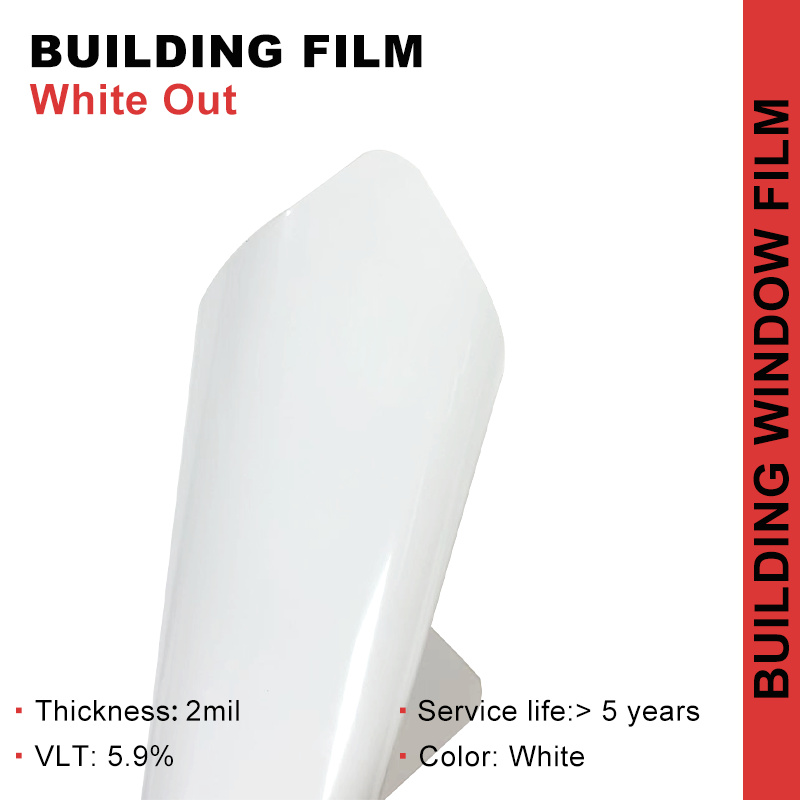
Frosted window film creates an elegant, translucent barrier that diffuses light while blocking clear visibility from both directions. This type of film mimics the appearance of expensive etched glass at a fraction of the cost, making it an excellent choice for bathrooms, conference rooms, and street-facing windows. The frosted effect allows natural light to filter through while creating a sophisticated aesthetic that complements both modern and traditional architectural styles. Installation is straightforward, and the film can be easily removed or replaced without damaging the underlying glass surface.
Etched film patterns offer more decorative possibilities, featuring geometric designs, botanical motifs, or custom graphics that serve dual purposes of privacy and artistic expression. These films are particularly popular in commercial settings where branding elements can be incorporated into the privacy solution. The etched appearance adds texture and visual interest to plain glass surfaces, transforming ordinary windows into design features that enhance the overall interior aesthetics.
One-Way Mirror and Reflective Films
One-way mirror films provide daytime privacy by creating a reflective exterior surface that prevents outsiders from seeing inside while allowing occupants to maintain outward visibility. These films work most effectively when the interior lighting is dimmer than the exterior environment, making them ideal for office buildings and residential properties during daylight hours. The reflective properties also contribute to energy efficiency by reducing solar heat gain and protecting interior furnishings from harmful UV radiation.
However, it's important to understand that one-way mirror films lose their privacy effectiveness at night when interior lights are on, as the lighting conditions reverse the mirror effect. This limitation makes them best suited for daytime privacy needs or when combined with other privacy measures for complete 24-hour protection. The reflective surface also requires regular cleaning to maintain its appearance and effectiveness, as dust and fingerprints can diminish both the aesthetic appeal and functional performance.
Evaluating Privacy Levels and Light Transmission
Opacity Ratings and Visibility Considerations
Window film opacity ratings typically range from 5% to 95%, with higher percentages indicating greater privacy but reduced light transmission. A 95% opacity film provides maximum privacy by blocking almost all visibility while still allowing some natural light to enter the space. Understanding these ratings helps determine the appropriate balance between privacy needs and lighting requirements for specific applications. Residential bathrooms might benefit from 85-95% opacity, while office spaces may prefer 50-70% to maintain a connection with the outdoor environment.
The visibility consideration extends beyond simple opacity measurements to include the type of view obstruction desired. Some applications require complete visual blockage for sensitive areas, while others benefit from maintaining silhouettes or general movement visibility for security purposes. Professional window film installers can provide samples and demonstrations to help visualize how different opacity levels will appear in your specific lighting conditions and architectural context.
Natural Light Preservation Strategies
Preserving natural light while achieving privacy requires careful consideration of film properties and placement strategies. Modern window film technology allows for selective application, where privacy films can be applied to lower portions of windows while leaving upper areas clear for maximum light transmission. This approach works particularly well for ground-level windows where privacy concerns are greatest at eye level, but natural light from above remains desirable.
Light-diffusing films offer another solution by scattering incoming light evenly throughout the space while maintaining privacy. These films eliminate harsh glare and hot spots while creating a soft, even illumination that enhances comfort and reduces eye strain. The diffusion effect also minimizes shadows and creates a more uniform lighting environment that can reduce the need for artificial lighting during daylight hours, contributing to energy savings and improved ambiance.
Installation Methods and Professional Considerations
DIY Installation Techniques
Do-it-yourself window film installation can be accomplished with proper preparation, tools, and technique, making it an attractive option for budget-conscious property owners. The process begins with thorough window cleaning using lint-free materials and appropriate cleaning solutions to ensure optimal adhesion. Measuring and cutting the film requires precision, with adequate overlap to ensure complete coverage and professional-looking edges. A spray bottle with soapy water solution facilitates positioning and prevents premature adhesion during the installation process.
Application technique involves careful bubble removal using squeegees or smoothing tools, working from the center outward to eliminate air pockets and wrinkles. Patience and attention to detail are crucial, as rushed installation often results in visible imperfections that compromise both appearance and performance. While DIY installation saves money, it requires significant time investment and carries the risk of material waste if mistakes occur during the process.
Professional Installation Benefits
Professional window film installation ensures optimal results through experienced technique, specialized tools, and warranty protection that DIY approaches cannot match. Certified installers possess the skills to handle challenging window configurations, including curved surfaces, textured glass, and complex architectural features that present difficulties for inexperienced installers. Professional installation typically includes site assessment, product recommendations based on specific needs, and post-installation support for any issues that may arise.
The warranty coverage provided by professional installers protects your investment and ensures long-term performance, often including guarantees against bubbling, peeling, or adhesion failure. Professional installers also have access to commercial-grade films and specialized tools that may not be available to consumers, potentially resulting in superior durability and appearance. The time savings and reduced stress of professional installation often justify the additional cost, particularly for large-scale projects or premium film applications.
Cost Analysis and Long-Term Value Considerations
Initial Investment Breakdown
The cost of window film varies significantly based on film type, quality, coverage area, and installation method chosen. Basic frosted films may cost as little as two to five dollars per square foot for materials alone, while premium decorative or specialized films can exceed fifteen dollars per square foot before installation costs. Professional installation typically adds fifty to one hundred percent to material costs, depending on project complexity and local labor rates. Large-scale commercial projects often benefit from volume pricing that reduces per-square-foot costs significantly.
Additional costs may include window preparation, removal of existing films, and disposal fees that should be factored into budget planning. Custom designs, complex patterns, or specialty films require additional lead time and may incur design fees or minimum order requirements. While the initial investment may seem substantial, comparing window film costs to alternative privacy solutions like blinds, curtains, or frosted glass replacement reveals significant savings potential, especially for large window areas or commercial applications.
Energy Efficiency and Maintenance Savings
Window film provides ongoing value through energy efficiency improvements that reduce heating and cooling costs throughout its lifespan. Quality films can reject up to seventy-eight percent of solar heat while maintaining natural light, reducing air conditioning loads during summer months and improving comfort levels year-round. UV protection extends the life of interior furnishings, flooring, and artwork by preventing fading and degradation, providing additional cost savings that accumulate over time.
Maintenance requirements for window film are minimal, typically involving periodic cleaning with standard glass cleaning products and soft materials. Unlike traditional window treatments that require regular washing, repair, or replacement, quality window film can provide fifteen to twenty years of reliable performance with proper care. This longevity, combined with energy savings and furnishing protection, often results in complete cost recovery within three to seven years, making window film an excellent long-term investment for privacy and comfort enhancement.
FAQ
How long does window film typically last before requiring replacement
Quality window film installed properly can last fifteen to twenty-five years depending on environmental conditions, film type, and maintenance practices. Premium films with UV-stable adhesives and protective coatings tend to have longer lifespans, while budget options may show signs of deterioration after ten to fifteen years. Factors affecting longevity include sun exposure intensity, temperature fluctuations, cleaning frequency, and the quality of initial installation.
Can window film be removed without damaging the glass surface
Yes, most modern window films are designed for clean removal without leaving residue or causing glass damage when proper removal techniques are employed. The process involves heating the film to soften the adhesive, then carefully peeling it away while removing any remaining adhesive with appropriate solvents. Professional removal services ensure complete adhesive elimination and glass surface restoration, particularly important for rental properties or when changing film types.
Does window film interfere with wireless signals or electronic devices
Standard privacy and decorative window films do not typically interfere with wireless signals, cell phone reception, or WiFi connectivity. However, metalized films designed primarily for heat rejection may cause some signal attenuation, particularly affecting weaker signals. If signal interference is a concern, ceramic or non-metallic film options provide privacy and heat rejection without affecting electronic communications, making them suitable for offices and homes with connectivity requirements.
What maintenance is required to keep window film looking its best
Window film maintenance involves regular cleaning with mild soap solutions and soft, lint-free materials to prevent scratching and maintain clarity. Avoiding abrasive cleaners, sharp objects, and harsh chemicals preserves the film surface and extends its lifespan significantly. Monthly cleaning is typically sufficient for most applications, with more frequent attention needed in high-traffic areas or environments with excessive dust or pollution exposure.