
 EN
EN
Car PPF has become an essential protective solution for vehicle owners seeking to preserve their investment and maintain their car's pristine appearance. This transparent film technology offers superior protection against road debris, scratches, and environmental damage while maintaining the vehicle's original aesthetic appeal. Understanding the installation process and associated costs helps car owners make informed decisions about protecting their vehicles with this advanced protective coating.
Understanding Paint Protection Film Technology
Material Composition and Properties
Modern car PPF consists of thermoplastic polyurethane that provides exceptional durability and flexibility. This advanced material features self-healing properties that allow minor scratches and swirl marks to disappear when exposed to heat. The film's multi-layer construction includes an adhesive layer, a core polyurethane layer, and a protective topcoat that resists yellowing and maintains optical clarity over time.
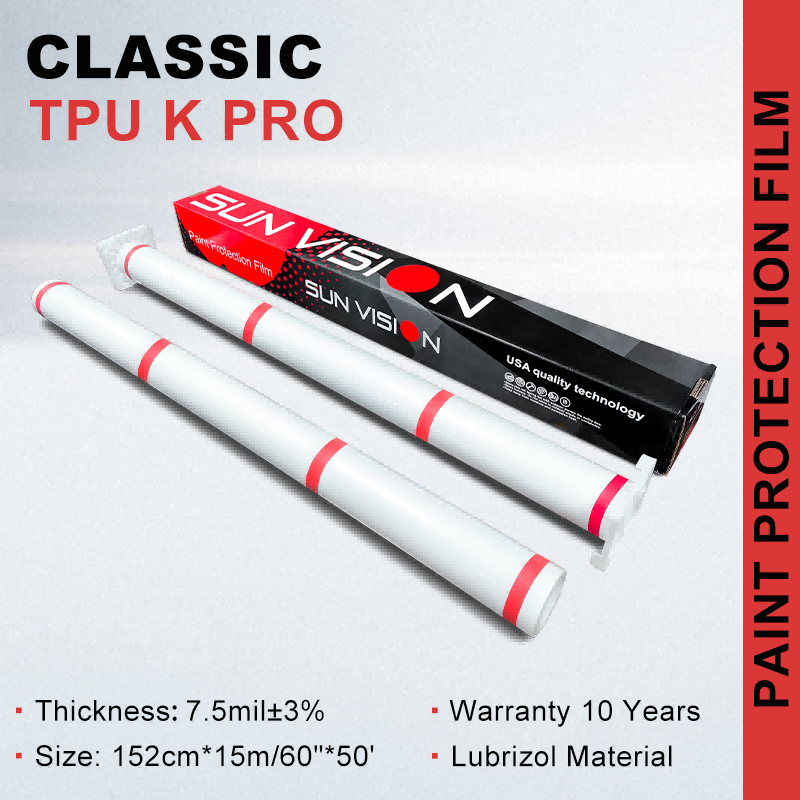
The thickness of quality car PPF typically ranges from 6 to 8 mils, providing substantial protection without affecting the vehicle's appearance. Premium films incorporate nano-technology that enhances the material's resistance to staining and chemical damage. These properties ensure that the protective film maintains its transparency and protective capabilities throughout its lifespan, which can extend beyond ten years with proper maintenance.
Protection Benefits and Performance
Car PPF offers comprehensive protection against various environmental hazards that can damage automotive paint. The film effectively shields against rock chips, road salt, bird droppings, tree sap, and UV radiation that can cause paint degradation over time. This protection is particularly valuable for high-impact areas such as the front bumper, hood, and side mirrors where damage typically occurs most frequently.
The hydrophobic properties of modern car PPF create a surface that repels water and contaminants, making vehicle maintenance significantly easier. This characteristic reduces the frequency of washing required and helps prevent water spots and mineral deposits from adhering to the surface. Additionally, the film's smooth finish enhances the vehicle's gloss and depth of color, often improving the overall appearance beyond the original paint condition.
Installation Process and Methodology
Pre-Installation Preparation
Professional car PPF installation begins with thorough vehicle preparation that ensures optimal adhesion and longevity. The installation team conducts a comprehensive paint inspection to identify any existing damage, scratches, or imperfections that require correction before film application. This assessment determines whether paint correction procedures are necessary to achieve the desired finish quality.
The preparation process includes complete vehicle washing, decontamination, and surface polishing to remove any residues or contaminants. Installation technicians work in controlled environments with proper lighting and temperature regulation to ensure consistent results. The vehicle's surface must be completely clean and free from any substances that could interfere with the adhesive bond between the film and paint.
Film Application Techniques
Professional installers employ precise cutting and fitting techniques to ensure seamless coverage and invisible edges. Computer-aided design software helps create custom templates for specific vehicle models, ensuring accurate fit and minimal waste. The installation process involves careful positioning, squeegee application, and heat activation to achieve proper adhesion and eliminate air bubbles.
Skilled technicians use specialized tools including heat guns, squeegees, and trim knives to achieve professional results. The process requires patience and expertise as each panel must be carefully aligned and smoothed to prevent lifting or bubbling. Post-installation inspection ensures that all edges are properly sealed and the film adheres correctly to complex curves and contours of the vehicle's surface.
Cost Analysis and Pricing Factors
Material and Coverage Options
The cost of car ppf installation varies significantly based on coverage area and material quality. Partial coverage options focusing on high-impact areas typically range from $1,500 to $3,000, while full vehicle coverage can cost between $4,000 and $8,000. Premium films with enhanced features such as self-healing properties or extended warranties command higher prices but offer superior long-term value.
Different coverage packages allow customers to select protection levels that match their budget and protection needs. Front-end packages protect the most vulnerable areas including the hood, bumper, headlights, and front fenders. Comprehensive packages extend protection to door panels, rocker panels, and rear surfaces, providing complete vehicle coverage for maximum protection and resale value preservation.
Installation Labor and Complexity
Labor costs represent a significant portion of the total car PPF installation expense, reflecting the skill and time required for professional application. Complex vehicle geometries, intricate bodywork, and premium finish requirements increase installation time and associated costs. Experienced installers command higher rates but deliver superior results with proper edge sealing and bubble-free application.
Installation complexity varies among vehicle types, with luxury and exotic cars requiring specialized expertise and additional care. Curved surfaces, deep recesses, and complex body lines demand advanced techniques and extended installation time. The investment in professional installation ensures warranty coverage and optimal performance throughout the film's service life.
Maintenance and Longevity Considerations
Care Requirements and Best Practices
Proper maintenance extends the lifespan of car PPF and preserves its protective properties and appearance. Regular washing with appropriate products prevents contaminant buildup and maintains the film's hydrophobic characteristics. Avoiding harsh chemicals, abrasive materials, and high-pressure washing near film edges helps prevent damage and premature failure.
Professional maintenance services can enhance the film's performance and appearance through specialized cleaning and conditioning treatments. These services address specific issues such as staining, edge lifting, or minor damage that may occur during normal use. Preventive maintenance programs help identify potential problems early and address them before they compromise the film's protective capabilities.
Warranty Coverage and Support
Quality car PPF products typically include comprehensive warranty coverage that protects against manufacturing defects, yellowing, and premature failure. Warranty terms vary among manufacturers but generally provide protection for five to ten years depending on the product grade and installation quality. Professional installation is usually required to maintain warranty coverage and ensure proper application techniques.
Warranty support includes coverage for material replacement and reinstallation costs when covered defects occur. Some manufacturers offer transferable warranties that add value for vehicle resale and demonstrate the quality of the protection system. Understanding warranty terms and maintenance requirements helps vehicle owners maximize their investment and ensure long-term protection performance.
Selection Criteria and Professional Services
Choosing Installation Providers
Selecting qualified installation professionals is crucial for achieving optimal car PPF performance and longevity. Certified installers possess specialized training, proper equipment, and experience with various vehicle types and film products. Researching installer credentials, viewing previous work examples, and reading customer reviews helps identify qualified service providers who deliver professional results.
Professional installation facilities maintain controlled environments with appropriate lighting, temperature, and cleanliness standards necessary for quality film application. Established businesses typically offer warranty support, follow-up services, and customer satisfaction guarantees that provide additional value and peace of mind. The investment in professional installation ensures proper application techniques and optimal long-term performance.
Film Quality and Brand Selection
Premium car PPF brands offer superior materials, warranty coverage, and performance characteristics that justify higher initial costs through enhanced durability and protection. Leading manufacturers invest in research and development to continuously improve film properties such as self-healing capabilities, optical clarity, and resistance to environmental damage. Comparing product specifications, warranty terms, and performance history helps identify the best solution for specific protection needs.
Film selection should consider factors such as expected vehicle usage, environmental conditions, and desired protection level. Premium products with enhanced features provide superior long-term value through extended service life and better protection performance. Professional installers can recommend appropriate film grades based on vehicle type, usage patterns, and customer requirements to optimize protection and cost-effectiveness.
FAQ
How long does car PPF installation typically take
Professional car PPF installation duration varies based on coverage area and vehicle complexity. Partial front-end installations typically require one to two days, while full vehicle coverage can take three to five days. Complex vehicles with intricate bodywork or custom modifications may require additional time to ensure proper fit and finish quality.
Can car PPF be removed without damaging the paint
Quality car PPF can be safely removed by professional installers without paint damage when proper techniques are employed. The removal process involves careful heating and peeling to separate the film from the paint surface. Professional removal ensures that adhesive residue is completely eliminated and the original paint finish is preserved.
Does car PPF affect vehicle warranty coverage
Car PPF installation does not void vehicle manufacturer warranties when professionally installed using approved products and techniques. The protective film actually helps preserve the original paint condition, which can be beneficial for warranty claims related to paint defects. Proper documentation of installation and materials used provides additional protection for warranty coverage.
What maintenance is required for car PPF
Car PPF maintenance involves regular washing with appropriate products and techniques to preserve the film's properties and appearance. Avoiding harsh chemicals, abrasive materials, and high-pressure washing near edges helps maintain film integrity. Professional maintenance services can address specific issues and extend the film's service life through specialized care and conditioning treatments.