 EN
EN
Paint protection film technology has revolutionized automotive care, offering vehicle owners an advanced solution to preserve their investment. The automotive industry continues to evolve with innovative protective technologies, and ppf film stands at the forefront of these developments. Understanding the intricacies of ppf film application and benefits becomes crucial for both professional installers and car enthusiasts seeking optimal protection. Modern ppf film solutions provide unparalleled defense against environmental hazards while maintaining the vehicle's aesthetic appeal. This comprehensive guide explores everything you need to know about ppf film in 2025, from technical specifications to installation best practices.
Understanding Paint Protection Film Technology
Material Composition and Properties
The foundation of effective ppf film lies in its sophisticated material composition, typically featuring thermoplastic polyurethane construction. This advanced polymer provides exceptional clarity, flexibility, and durability that traditional protective coatings cannot match. The molecular structure of quality ppf film incorporates self-healing properties, allowing minor scratches and swirl marks to disappear with heat activation. Modern formulations include UV stabilizers that prevent yellowing and degradation over extended periods of exposure to sunlight.
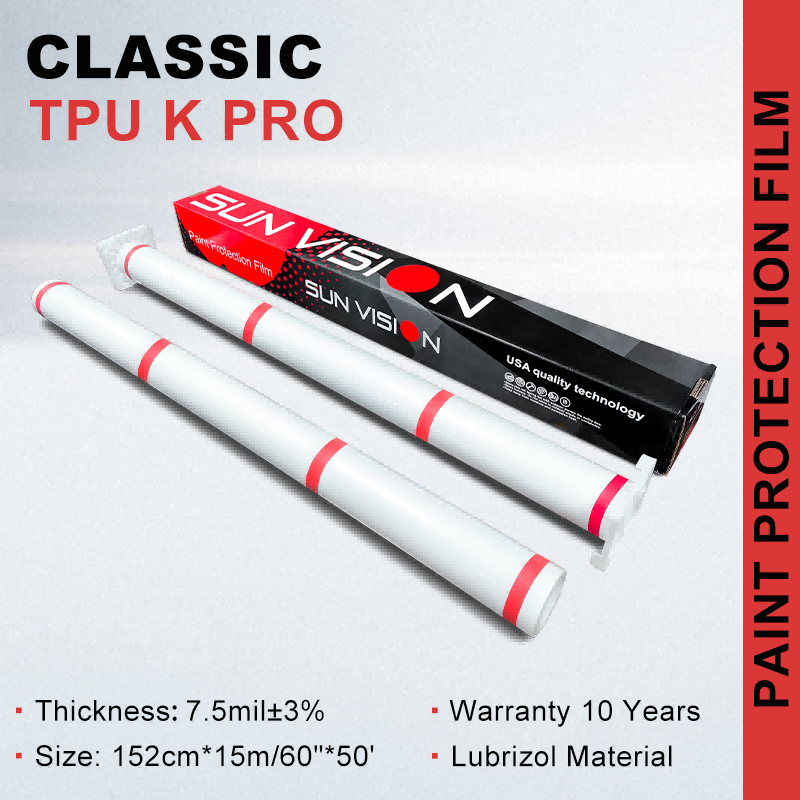
Thickness specifications for ppf film typically range from 6 to 12 mils, with premium options offering enhanced protection capabilities. The multi-layer construction includes a clear topcoat, the main protective layer, and an adhesive backing designed for optimal bonding. Advanced ppf film products feature hydrophobic properties that repel water and contaminants, making maintenance significantly easier. These technological improvements ensure that ppf film maintains its protective qualities while preserving the vehicle's original finish underneath.
Manufacturing Standards and Quality Control
Leading manufacturers implement rigorous quality control measures to ensure consistent ppf film performance across all production batches. Industry standards dictate specific testing protocols for adhesion strength, optical clarity, and environmental resistance. Quality ppf film undergoes extensive weathering tests that simulate years of real-world exposure in accelerated conditions. These testing procedures validate the film's ability to maintain its protective properties without compromising the vehicle's appearance.
Certification processes for premium ppf film include evaluation of impact resistance, chemical compatibility, and thermal stability. Manufacturing facilities utilize advanced coating technologies to achieve uniform thickness distribution across the entire ppf film surface. Quality assurance protocols verify that each roll meets strict optical standards, ensuring minimal distortion when installed. The commitment to manufacturing excellence distinguishes superior ppf film products from inferior alternatives in the marketplace.
Installation Techniques and Best Practices
Surface Preparation Requirements
Proper surface preparation forms the cornerstone of successful ppf film installation, requiring meticulous attention to cleanliness and environmental conditions. The vehicle surface must be thoroughly decontaminated using specialized clay bars and chemical cleaners to remove embedded contaminants. Paint correction may be necessary to address existing imperfections that could affect ppf film adhesion or appearance. Installation environments should maintain controlled temperature and humidity levels to optimize the application process.
Professional installers utilize isopropyl alcohol solutions to achieve the sterile surface conditions required for premium ppf film application. Dust-free environments prevent contamination during the installation process, ensuring optimal bonding between the film and paint surface. The preparation phase includes careful masking of adjacent surfaces and removal of hardware that might interfere with proper ppf film positioning. These preparatory steps significantly impact the longevity and appearance of the finished installation.
Application Methods and Tools
Modern ppf film installation employs sophisticated techniques that maximize coverage while minimizing visible seams and edges. Professional installers utilize computer-controlled cutting systems to create precise templates that match specific vehicle contours. Heat forming techniques allow ppf film to conform to complex curves and compound surfaces without creating stress points or distortion. Specialized squeegees and application tools ensure proper adhesion while preventing air bubbles and wrinkles.
Installation procedures vary depending on the specific ppf film product and vehicle geometry, requiring skilled technicians to adapt their approach accordingly. Wet application methods facilitate positioning and reduce the risk of premature bonding during the alignment phase. Heat guns and infrared lamps activate the adhesive system and promote optimal bonding between the ppf film and paint surface. Post-installation procedures include edge sealing and final inspection to verify complete coverage and proper adhesion.
Performance Benefits and Protection Capabilities
Impact and Abrasion Resistance
The primary advantage of ppf film lies in its exceptional ability to absorb and distribute impact energy from road debris and environmental hazards. Stone chips, which typically cause permanent damage to automotive paint, are effectively absorbed by the film's elastic properties. Laboratory testing demonstrates that quality ppf film can withstand impacts from objects traveling at highway speeds without compromising the underlying paint surface. The film's thickness and material properties create a sacrificial barrier that preserves the vehicle's original finish.
Abrasion resistance testing reveals that ppf film significantly outperforms traditional wax and ceramic coatings in protecting against surface scratches. Daily wear from car washes, clothing contact, and environmental exposure typically causes microscopic damage that ppf film prevents entirely. The self-healing properties of advanced ppf film formulations allow minor surface marks to disappear through heat activation or natural warming. This technology ensures that the protected surface maintains its pristine appearance throughout the film's service life.
Chemical and Environmental Protection
Chemical resistance represents another crucial benefit of ppf film, providing protection against automotive fluids, road salt, and atmospheric pollutants. The film's inert surface prevents chemical etching and staining that commonly affects unprotected paint surfaces. Bird droppings, tree sap, and other organic contaminants can be safely removed from ppf film without causing permanent damage. UV protection built into the film prevents paint fading and oxidation that typically occurs with prolonged sun exposure.
Environmental protection extends beyond chemical resistance to include thermal cycling and moisture protection capabilities. The ppf film barrier prevents water infiltration that could lead to paint delamination or corrosion issues. Temperature fluctuations that cause paint expansion and contraction are buffered by the film's flexible properties. These protective qualities ensure that the vehicle's paint system remains stable and intact regardless of environmental conditions.
Selection Criteria and Product Evaluation
Performance Specifications Comparison
Evaluating ppf film options requires careful consideration of multiple performance parameters that directly impact protection effectiveness and longevity. Optical clarity measurements determine how well the film maintains the vehicle's original appearance without introducing haze or distortion. Adhesion strength specifications indicate the film's ability to remain bonded to the paint surface under various environmental conditions. Self-healing temperature ratings specify the conditions required for the film to repair minor surface damage automatically.
Warranty coverage provides insight into manufacturer confidence in their ppf film product's long-term performance capabilities. Comprehensive warranties typically cover yellowing, cracking, peeling, and hazing for periods ranging from five to ten years. Installation requirements and compatibility with different paint systems affect the overall cost and complexity of the application process. These factors should be carefully weighed when selecting the most appropriate ppf film solution for specific applications.
Cost-Benefit Analysis Considerations
The financial justification for ppf film installation depends on multiple factors including vehicle value, usage patterns, and regional environmental conditions. High-end vehicles with expensive paint systems typically justify premium ppf film investment through paint preservation value. Commercial vehicles and fleet applications benefit from reduced maintenance costs and extended service intervals. The initial investment in quality ppf film often proves economical when compared to paint repair and refinishing costs.
Long-term value proposition includes maintained resale value, reduced insurance claims, and decreased maintenance requirements throughout the vehicle's ownership period. Professional installation costs represent a significant portion of the total investment but ensure optimal performance and warranty coverage. DIY installation options exist for budget-conscious consumers, though professional installation typically provides superior results and manufacturer support. The decision matrix should include all relevant factors to determine the most cost-effective ppf film solution.
Maintenance and Care Procedures
Cleaning and Routine Maintenance
Proper maintenance procedures significantly extend the service life and appearance of ppf film installations while preserving their protective properties. Regular washing with pH-neutral automotive shampoos prevents contamination buildup that could affect the film's optical clarity. Avoiding harsh chemicals, abrasive cleaners, and high-pressure washing near film edges protects the installation integrity. Microfiber towels and chamois provide safe drying methods that prevent surface scratching during maintenance procedures.
Periodic inspection of ppf film edges and seams identifies potential issues before they compromise the installation's effectiveness. Professional detailing services familiar with ppf film care can provide specialized maintenance that preserves the film's appearance and function. Wax and sealant application over ppf film requires compatible products that enhance rather than degrade the film's properties. These maintenance practices ensure that the ppf film continues to provide optimal protection throughout its expected service life.
Repair and Replacement Procedures
Damage to ppf film installations can often be repaired through localized replacement techniques that restore complete protection without full reinstallation. Professional repair services can seamlessly integrate new film sections with existing installations when damage exceeds the self-healing capabilities. Edge lifting and adhesion issues typically respond to professional intervention that restores the original installation quality. Understanding when repair is appropriate versus complete replacement ensures cost-effective maintenance of ppf film systems.
Replacement procedures follow similar protocols to initial installation but may require additional surface preparation to remove adhesive residue. The availability of replacement materials and professional services varies by location and product manufacturer. Warranty coverage often includes repair and replacement services for defective ppf film installations. These support services contribute to the overall value proposition of premium ppf film products and professional installation.
Industry Trends and Future Developments
Technological Advancements
The ppf film industry continues to evolve with advanced material science and manufacturing technologies that enhance performance capabilities. Nanotechnology integration promises improved self-healing properties and enhanced chemical resistance in future ppf film formulations. Smart film technologies incorporate color-changing and self-diagnostic capabilities that provide visual indicators of protection status. These innovations represent the next generation of ppf film products that will further revolutionize automotive protection.
Manufacturing process improvements focus on reducing installation complexity while maintaining or improving protection effectiveness. Pre-cut kits tailored to specific vehicle models eliminate the need for custom cutting and reduce installation time. Advanced adhesive systems provide stronger bonding with easier removal characteristics for future replacement. The integration of antimicrobial properties addresses health concerns and expands ppf film applications beyond traditional automotive uses.
Market Growth and Applications
Expanding awareness of ppf film benefits drives market growth across multiple sectors including automotive, marine, aerospace, and consumer electronics. Increasing vehicle values and longer ownership periods justify ppf film investment for a broader range of vehicle types and price points. Commercial applications including fleet management and rental car protection represent significant growth opportunities for ppf film manufacturers. The technology's versatility enables protection solutions for virtually any painted or finished surface requiring preservation.
Geographic expansion into emerging markets creates new opportunities for ppf film adoption as disposable income and vehicle ownership rates increase. Environmental concerns drive demand for sustainable ppf film solutions that minimize waste and environmental impact. Recycling programs and biodegradable formulations address ecological considerations while maintaining protection performance. These market trends ensure continued growth and innovation in the ppf film industry throughout the coming decade.
FAQ
How long does ppf film typically last on a vehicle
Quality ppf film installations typically last between seven to ten years with proper maintenance and care. Environmental factors such as UV exposure, temperature extremes, and chemical exposure affect the film's longevity. Premium ppf film products often include warranties that guarantee performance for specific time periods, providing assurance of durability. Regular maintenance and professional care can extend the service life beyond the manufacturer's warranty period.
Can ppf film be removed without damaging the paint underneath
Professional removal of ppf film leaves the underlying paint surface undamaged when performed using proper techniques and equipment. Heat application softens the adhesive system, allowing careful removal without paint damage. Adhesive residue removal requires specialized solvents and techniques to restore the original paint finish. Professional removal services ensure optimal results and prevent potential damage from improper removal attempts.
Does ppf film affect the vehicle's paint warranty
Most automotive manufacturers recognize ppf film as a protective enhancement that preserves rather than compromises paint warranties. Quality ppf film installations using approved products and professional techniques typically maintain warranty coverage. Documentation of the installation process and materials used provides evidence of proper application procedures. Consultation with the vehicle manufacturer or authorized dealer confirms warranty compatibility before installation.
What is the difference between ppf film and ceramic coatings
Ppf film provides physical barrier protection against impacts and abrasions, while ceramic coatings offer chemical resistance and enhanced gloss. The thickness and material properties of ppf film enable superior protection against stone chips and mechanical damage. Ceramic coatings excel in providing hydrophobic properties and chemical resistance but offer limited impact protection. Many vehicle owners choose to combine both technologies for comprehensive protection that addresses multiple threat categories.