 EN
EN
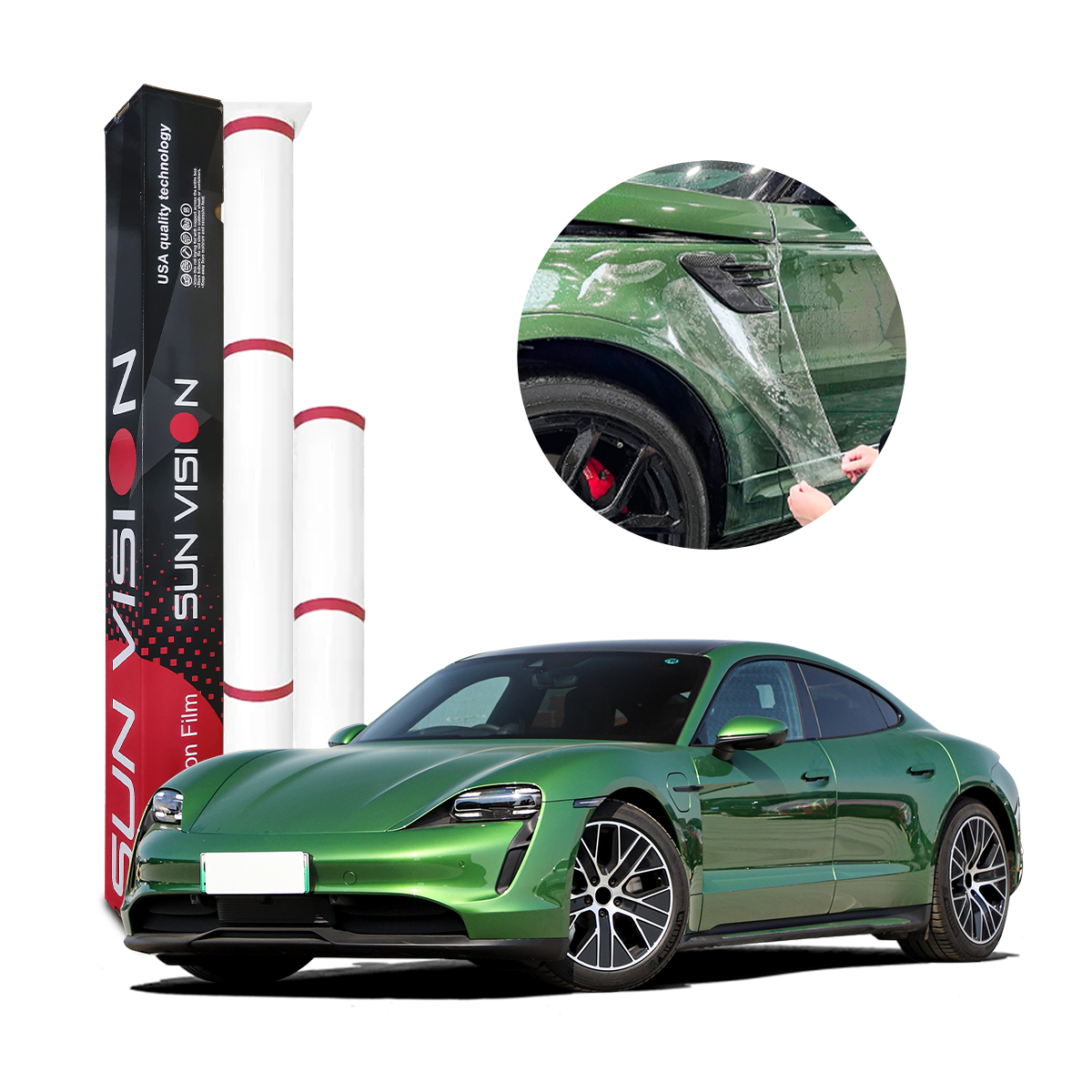
Decoration film has revolutionized the way we enhance and protect various surfaces in automotive, architectural, and industrial applications. This versatile material offers exceptional durability while providing stunning visual appeal that transforms ordinary surfaces into extraordinary focal points. Whether you're working on vehicle customization, building facades, or interior design projects, understanding proper decoration film application techniques ensures professional results that last for years.
Understanding Decoration Film Materials and Properties
Types of Decoration Film Available
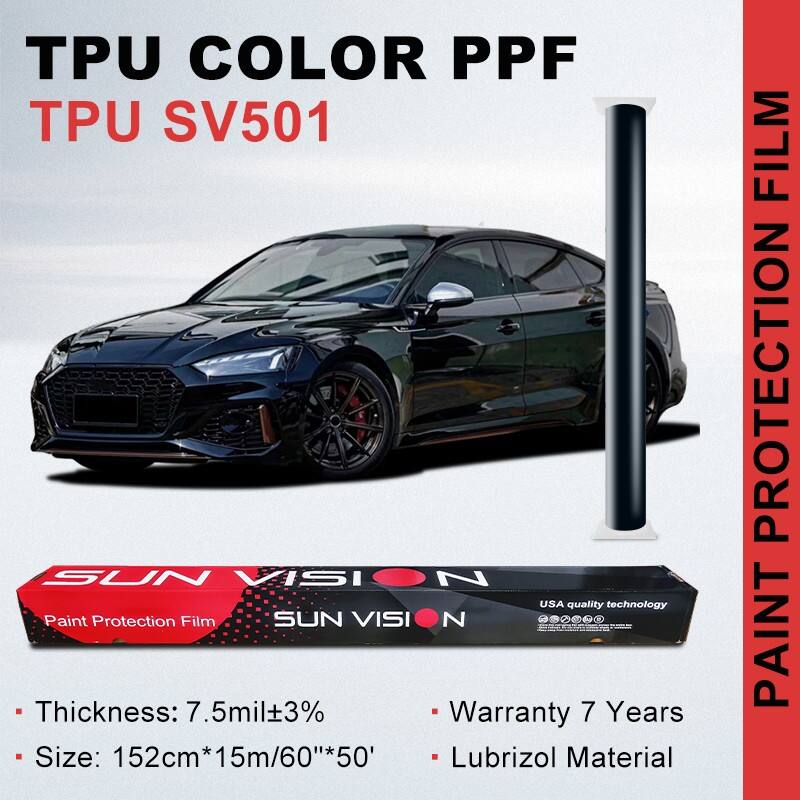
Modern decoration film comes in numerous varieties, each designed for specific applications and environments. Thermoplastic polyurethane films offer superior flexibility and self-healing properties, making them ideal for curved surfaces and high-stress areas. Vinyl-based decoration film provides excellent color retention and is perfect for indoor applications where UV resistance is less critical. Cast films deliver superior conformability for complex curves, while calendered films excel in flat surface applications where cost-effectiveness is paramount.
Premium decoration film products incorporate advanced adhesive systems that ensure strong bonding without damaging underlying surfaces. These materials feature micro-structured adhesives that allow for repositioning during installation while maintaining long-term adhesion strength. Understanding these material characteristics helps installers select the appropriate decoration film for each specific project requirement.
Key Performance Characteristics
High-quality decoration film exhibits several critical performance attributes that determine installation success and longevity. Dimensional stability ensures the film maintains its shape and size throughout temperature variations, preventing shrinkage or expansion that could compromise the installation. Chemical resistance protects against environmental contaminants, cleaning agents, and automotive fluids that might otherwise degrade the film surface.
The optical clarity and color consistency of decoration film directly impact the final aesthetic result. Premium films maintain their appearance under prolonged UV exposure, resisting fading, yellowing, and gloss reduction. These performance characteristics make decoration film an investment that delivers both immediate visual impact and long-term value retention.
Essential Tools and Materials for Professional Installation
Primary Application Equipment
Successful decoration film installation requires specialized tools designed for precision and efficiency. Heat guns with variable temperature control allow installers to activate the film's thermoplastic properties for conforming to complex curves and contours. Professional-grade squeegees with varying hardness levels ensure proper adhesive activation while minimizing the risk of surface scratches or air bubble formation.
Sharp cutting implements, including precision knives and specialized film cutting tools, enable clean edge definition and seamless panel transitions. Measuring instruments such as rulers, straight edges, and templates ensure accurate decoration film positioning and consistent overlap dimensions. These tools form the foundation of professional installation practices that distinguish expert results from amateur attempts.
Surface Preparation Supplies
Proper surface preparation directly influences decoration film adhesion and longevity. Degreasing agents remove oils, waxes, and contaminants that could compromise adhesive bonding. Lint-free cleaning cloths prevent fiber contamination during the cleaning process, ensuring optimal surface conditions for film application.
Tack cloths capture microscopic particles that might create imperfections beneath the decoration film surface. Surface preparation sprays enhance adhesive compatibility while providing temporary lubrication for film positioning. These preparation supplies represent critical components in achieving professional installation standards.
Step-by-Step Decoration Film Application Process
Initial Surface Assessment and Cleaning
Beginning with thorough surface evaluation, installers must identify any imperfections, contaminants, or structural issues that could affect decoration film performance. Surface irregularities such as scratches, dents, or corrosion require addressing before film application to prevent telegraphing through the finished surface. This assessment phase determines whether additional surface preparation or repair work is necessary.
Complete surface decontamination involves multiple cleaning stages using appropriate solvents and cleaning agents. Each cleaning step removes specific types of contamination, from heavy soiling to microscopic residues that could interfere with adhesive bonding. The surface must achieve complete cleanliness and appropriate surface energy for optimal decoration film adhesion.
Film Positioning and Initial Placement
Accurate decoration film positioning requires careful measurement and marking to ensure proper alignment with surface features and adjacent panels. Template creation or direct measurement establishes reference points for consistent placement across multiple surfaces or vehicle panels. This preparation prevents costly mistakes and ensures professional appearance standards.
Initial film placement utilizes the adhesive's repositioning properties to achieve perfect alignment before permanent bonding. Working from one edge or corner, installers gradually position the decoration film while maintaining proper tension and avoiding wrinkles or air entrapment. This methodical approach ensures uniform coverage and prevents installation defects.
Advanced Application Techniques for Complex Surfaces
Heat Forming and Stretching Methods
Complex three-dimensional surfaces require advanced decoration film manipulation techniques that utilize the material's thermoplastic properties. Controlled heating activates the film's molecular structure, enabling significant stretching and forming capabilities without compromising material integrity. Temperature control remains critical, as excessive heat can damage the film while insufficient heat prevents proper forming.
Progressive stretching techniques distribute material stress evenly across the decoration film surface, preventing localized thinning or potential failure points. Working in small sections allows for precise control over film deformation while maintaining consistent thickness throughout the application. These advanced techniques enable decoration film installation on virtually any surface geometry.
Edge Sealing and Finishing Details
Professional decoration film installations require meticulous attention to edge treatment and finishing details that ensure long-term performance and aesthetic appeal. Edge wrapping techniques secure film edges against moisture infiltration and mechanical stress that could initiate peeling or lifting. Proper edge preparation creates clean, uniform transitions that enhance the overall installation appearance.
Post-installation trimming removes excess material while creating precise edge definitions that complement the underlying surface geometry. Sharp, clean cuts prevent fraying or irregular edges that could compromise the decoration film's professional appearance. Final edge sealing ensures complete adhesive activation and creates weatherproof barriers against environmental exposure.
Quality Control and Performance Validation
Installation Inspection Procedures
Comprehensive quality control procedures verify that decoration film installations meet professional standards and performance specifications. Visual inspection identifies surface imperfections, air bubbles, contamination, or adhesive bonding issues that require correction before final approval. Systematic inspection protocols ensure consistent quality across all installation areas.
Adhesion testing validates the bond strength between decoration film and substrate materials, confirming that installation procedures achieved optimal results. Physical inspection of edges, corners, and stress concentration areas identifies potential failure points that might require additional attention or reinforcement. These quality control measures prevent future performance issues and ensure customer satisfaction.
Performance Documentation and Warranty Compliance
Professional decoration film installations require documentation that supports warranty claims and demonstrates compliance with manufacturer specifications. Installation records include surface preparation methods, environmental conditions, application techniques, and quality control results that validate proper installation procedures.
Performance validation testing confirms that installed decoration film meets expected durability, appearance, and functional requirements under normal service conditions. This documentation provides valuable feedback for continuous improvement in installation techniques while protecting both installer and customer interests through comprehensive performance validation.
Maintenance and Longevity Optimization
Routine Care and Cleaning Protocols
Proper maintenance extends decoration film service life while preserving its aesthetic and protective qualities throughout the intended service period. Regular cleaning removes contaminants that could cause staining, chemical attack, or premature degradation of the film surface. Appropriate cleaning agents and techniques prevent damage while effectively removing various types of soiling and contamination.
Inspection schedules identify potential issues before they develop into serious problems requiring extensive repair or replacement. Early detection of edge lifting, surface damage, or adhesive failure enables timely intervention that preserves the overall decoration film installation. These maintenance practices represent cost-effective investments in long-term performance and appearance retention.
Environmental Protection Strategies
Environmental factors significantly influence decoration film performance and longevity, requiring protective strategies that minimize exposure to damaging conditions. UV protection measures prevent photodegradation that could cause color fading, surface chalking, or mechanical property deterioration over time. Chemical protection strategies shield decoration film from aggressive substances that might cause staining or chemical attack.
Temperature management prevents excessive thermal cycling that could stress adhesive bonds or cause dimensional instability in the decoration film material. Proper environmental protection ensures that installations achieve their full service life potential while maintaining optimal appearance and performance characteristics throughout the warranty period.
FAQ
What temperature range is optimal for decoration film installation
Optimal decoration film installation occurs within temperature ranges of 65-75°F (18-24°C) with relative humidity below 70%. These conditions ensure proper adhesive flow and bonding while preventing condensation that could interfere with adhesion. Extreme temperatures can affect film flexibility and adhesive performance, potentially compromising installation quality.
How long should decoration film cure before normal use
Decoration film requires approximately 48-72 hours for complete adhesive cure under normal environmental conditions. During this curing period, the installation should be protected from moisture, extreme temperatures, and mechanical stress that could disturb the bonding process. Full adhesive strength develops gradually, reaching maximum performance after the complete cure cycle.
Can decoration film be removed without damaging the underlying surface
High-quality decoration film incorporates removable adhesive systems designed for clean removal without surface damage when proper techniques are employed. Controlled heating softens the adhesive, enabling gradual removal that preserves substrate integrity. Professional removal techniques prevent adhesive residue while protecting delicate surface finishes from damage during the removal process.
What factors determine decoration film service life
Decoration film service life depends on material quality, installation techniques, environmental exposure, and maintenance practices. Premium films with advanced UV stabilizers and chemical resistance typically provide 5-10 years of service under normal conditions. Proper installation and regular maintenance significantly extend service life while preserving appearance and protective qualities throughout the intended service period.
Table of Contents
- Understanding Decoration Film Materials and Properties
- Essential Tools and Materials for Professional Installation
- Step-by-Step Decoration Film Application Process
- Advanced Application Techniques for Complex Surfaces
- Quality Control and Performance Validation
- Maintenance and Longevity Optimization
- FAQ