 EN
EN
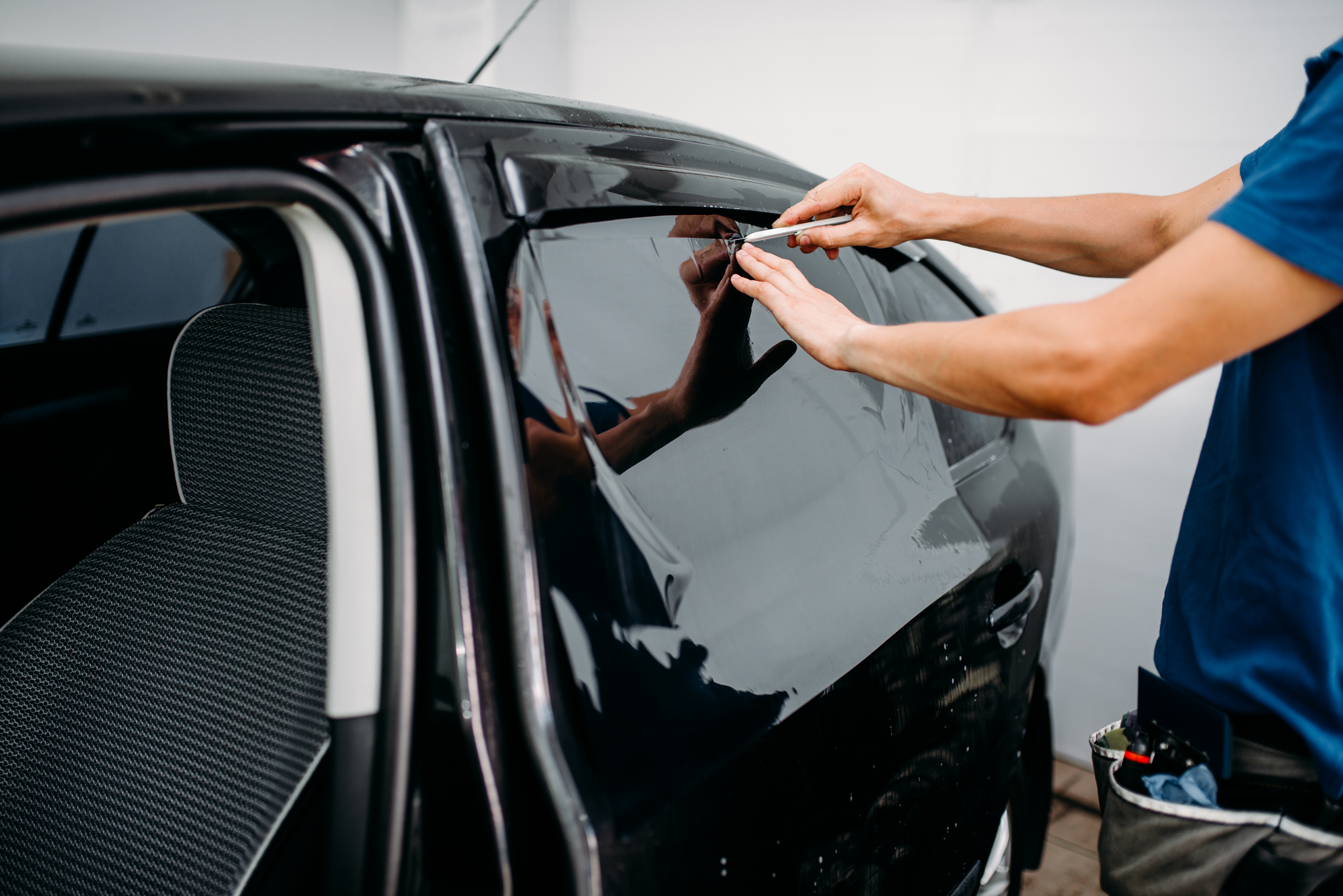
When it comes to protecting and enhancing your vehicle's appearance, two popular options dominate the automotive customization market: color ppf and vinyl wraps. Both solutions offer unique advantages for car enthusiasts looking to transform their vehicle's aesthetic while providing varying levels of protection. Understanding the fundamental differences between these two technologies is crucial for making an informed decision that aligns with your specific needs, budget, and long-term goals for your vehicle.
Understanding Paint Protection Film Technology
What Makes Color PPF Unique
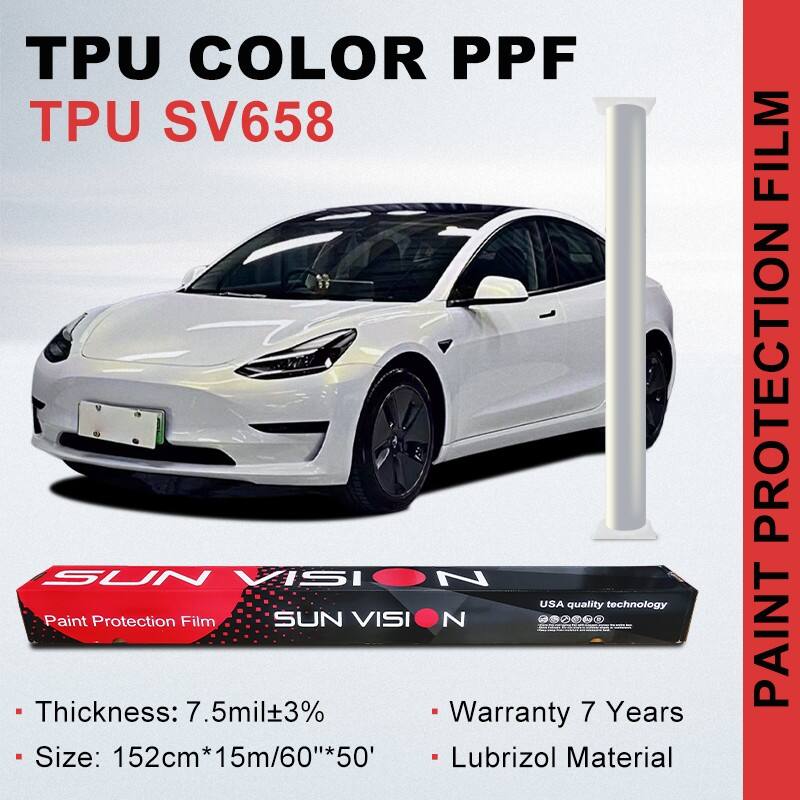
Color ppf represents a revolutionary advancement in automotive protection technology, combining the superior protective qualities of traditional clear paint protection film with vibrant color options. This innovative material consists of multiple layers of thermoplastic urethane that provide exceptional durability and self-healing properties. Unlike conventional clear films, color ppf incorporates pigments and special additives that deliver stunning visual effects while maintaining the protective characteristics that have made PPF the gold standard in vehicle protection.
The manufacturing process of color ppf involves sophisticated layering techniques that ensure uniform color distribution and optimal adhesive properties. Advanced polymer chemistry creates a film that can withstand extreme weather conditions, UV radiation, and physical impacts while retaining its original appearance for years. This technology has evolved significantly from early PPF applications, now offering car owners the ability to completely transform their vehicle's color while providing unmatched protection against environmental hazards.
Protective Characteristics of Color PPF
The protective capabilities of color ppf extend far beyond simple scratch resistance, encompassing a comprehensive defense system against various environmental threats. The self-healing properties of quality color ppf allow minor scratches and swirl marks to disappear when exposed to heat, maintaining a pristine appearance without professional intervention. This remarkable feature sets color ppf apart from other protective solutions and provides long-term value for vehicle owners who demand perfection.
Chemical resistance is another critical advantage of color ppf, protecting your vehicle's surface from acid rain, bird droppings, tree sap, and road salt that can cause permanent damage to paint. The film's multi-layer construction creates a barrier that prevents these contaminants from reaching the underlying paint surface. Additionally, color ppf offers superior impact resistance, absorbing energy from stone chips and debris that would otherwise create permanent damage to your vehicle's finish.
Vinyl Wrap Characteristics and Applications
Composition and Material Properties
Vinyl wraps consist primarily of polyvinyl chloride materials enhanced with plasticizers and stabilizers to achieve flexibility and durability. While vinyl technology has advanced considerably in recent years, the fundamental material properties differ significantly from color ppf in terms of thickness, protective capabilities, and longevity. Modern vinyl wraps offer impressive color options and finishes, including matte, gloss, satin, and textured varieties that can dramatically transform a vehicle's appearance at a relatively modest cost.
The adhesive systems used in vinyl wraps are designed for removability, allowing for easy application and removal without damaging the underlying paint. However, this removable characteristic also means that vinyl wraps provide limited protective benefits compared to color ppf. The thinner construction of vinyl wraps makes them more susceptible to damage from environmental factors and physical impacts, requiring more frequent replacement to maintain optimal appearance.
Installation and Maintenance Considerations
Vinyl wrap installation typically requires less specialized equipment and training compared to color ppf, making it more accessible for both professional installers and DIY enthusiasts. The conformability of vinyl allows it to stretch around complex curves and contours, though excessive stretching can compromise durability and appearance over time. Proper surface preparation and environmental conditions are crucial for achieving optimal adhesion and longevity with vinyl wraps.
Maintenance requirements for vinyl wraps differ substantially from color ppf protocols, with vinyl being more sensitive to harsh chemicals and abrasive cleaning methods. Regular maintenance is essential to prevent premature fading, cracking, or edge lifting that can compromise both appearance and protective qualities. Understanding these maintenance requirements is crucial for maximizing the lifespan and performance of vinyl wrap installations.
Comparative Analysis of Protection Levels
Impact and Scratch Resistance Comparison
When evaluating impact resistance, color ppf demonstrates superior performance due to its thicker construction and advanced material properties. The thermoplastic urethane composition of color ppf absorbs and distributes impact energy more effectively than vinyl, preventing damage from road debris, hail, and other environmental hazards. This enhanced protection translates to better preservation of your vehicle's original paint and reduced long-term maintenance costs.
Scratch resistance represents another area where color ppf significantly outperforms vinyl wraps. The self-healing properties of quality color ppf eliminate minor scratches through heat activation, while vinyl wraps typically require professional repair or replacement when damaged. This fundamental difference in material behavior affects both the appearance and cost of ownership over time, making color ppf a more economical choice for long-term vehicle protection.
Environmental Durability Factors
UV resistance is a critical consideration in any automotive protection application, and color ppf typically offers superior performance in this area. The advanced polymer chemistry and UV stabilizers incorporated in color ppf formulations provide excellent protection against fading, yellowing, and degradation that commonly affect vinyl wraps. This enhanced UV resistance ensures that color ppf maintains its original appearance and protective qualities for extended periods, even in harsh climatic conditions.
Temperature stability represents another significant advantage of color ppf over vinyl alternatives. The thermoplastic urethane construction of color ppf maintains flexibility and adhesion across a wider temperature range, preventing cracking, shrinkage, or edge lifting that commonly affects vinyl wraps in extreme conditions. This thermal stability is particularly important for vehicles exposed to significant temperature variations or stored in outdoor environments.
Cost Analysis and Value Proposition
Initial Investment Comparison
The initial cost difference between color ppf and vinyl wraps represents a significant consideration for most vehicle owners, with color ppf typically requiring a higher upfront investment. However, this cost difference must be evaluated within the context of long-term value, protection levels, and replacement frequency. While vinyl wraps offer an attractive entry-level price point, the superior durability and protective capabilities of color ppf often provide better value over the life of the vehicle.
Professional installation costs vary considerably between color ppf and vinyl applications, with color ppf requiring more specialized expertise and equipment. The precision required for color ppf installation demands experienced technicians familiar with advanced application techniques, heat guns, and squeegee methods specific to thermoplastic urethane materials. These specialized requirements contribute to higher installation costs but ensure optimal performance and longevity.
Long-term Cost Considerations
When analyzing total cost of ownership, color ppf often provides superior value despite higher initial investment. The extended lifespan of quality color ppf, typically ranging from seven to ten years, significantly exceeds the three to five-year lifespan of most vinyl wraps. This longevity difference reduces the frequency of replacement and associated labor costs, making color ppf more economical for long-term vehicle ownership.
Maintenance costs also favor color ppf due to its self-healing properties and superior chemical resistance. The reduced need for professional cleaning, polishing, and repair services translates to lower ongoing expenses. Additionally, the superior protection provided by color ppf helps preserve the underlying paint, maintaining higher resale value and reducing potential refinishing costs when the film is eventually removed.
Application Scenarios and Recommendations
Optimal Use Cases for Color PPF
Color ppf represents the optimal choice for vehicle owners prioritizing maximum protection combined with aesthetic enhancement. Luxury vehicles, sports cars, and classic automobiles benefit significantly from the superior protective qualities and long-term durability of color ppf. The investment in color ppf is particularly justified for vehicles with high resale value or those subjected to demanding driving conditions that increase exposure to road debris and environmental hazards.
Professional applications, including commercial fleets and racing vehicles, often specify color ppf due to its proven performance under extreme conditions. The self-healing properties and impact resistance of color ppf provide consistent protection that maintains professional appearance standards while reducing maintenance requirements. These characteristics make color ppf ideal for applications where vehicle appearance directly impacts business success or competitive performance.
Suitable Applications for Vinyl Wraps
Vinyl wraps excel in applications where frequent design changes, promotional graphics, or temporary modifications are desired. The removability and cost-effectiveness of vinyl make it ideal for advertising vehicles, promotional campaigns, and seasonal decorations. Vehicle owners who enjoy frequently changing their car's appearance or experimenting with different color schemes may find vinyl wraps more suitable for their needs.
Budget-conscious applications where moderate protection and aesthetic enhancement are sufficient may benefit from vinyl wrap solutions. While not offering the same level of protection as color ppf, quality vinyl wraps can provide acceptable performance for vehicles with lower exposure to harsh conditions or those intended for shorter-term ownership. The key is matching the protection level and durability to specific use requirements and expectations.
Installation and Maintenance Best Practices
Professional Installation Considerations
Proper installation technique significantly impacts the performance and longevity of both color ppf and vinyl applications. Color ppf installation requires specialized knowledge of thermoplastic urethane behavior, including appropriate heating techniques, stretch limits, and edge sealing methods. Professional installers must understand the unique characteristics of color ppf to achieve optimal adhesion and appearance while avoiding installation defects that can compromise protection.
Environmental conditions during installation play a crucial role in achieving successful results with color ppf applications. Temperature and humidity control ensure proper adhesive activation and prevent contamination that can affect long-term performance. Professional installation facilities equipped with climate-controlled environments and specialized tools provide the optimal conditions for color ppf application, ensuring maximum durability and appearance quality.
Maintenance Protocol Differences
Color ppf maintenance protocols emphasize preserving the self-healing properties and chemical resistance that define this technology. Regular washing with appropriate pH-balanced cleaners maintains the film's surface characteristics while avoiding harsh chemicals that might compromise performance. The heat activation required for self-healing can be achieved through normal sun exposure or professional heat treatment for optimal scratch removal.
Vinyl wrap maintenance requires more frequent attention and gentler handling to prevent premature aging and damage. The reduced chemical resistance of vinyl necessitates immediate removal of contaminants and careful selection of cleaning products. Understanding these maintenance differences is essential for maximizing the lifespan and appearance of either protection system.
FAQ
How long does color ppf typically last compared to vinyl wraps
Color ppf generally provides seven to ten years of effective protection and aesthetic appeal under normal conditions, while vinyl wraps typically last three to five years. The superior durability of color ppf stems from its thermoplastic urethane construction and advanced polymer chemistry, which resist environmental degradation better than vinyl materials. Proper installation and maintenance can extend these lifespans, with color ppf often exceeding its expected duration in favorable conditions.
Can color ppf be removed without damaging the original paint
Yes, properly installed color ppf can be removed without damaging the underlying paint when performed by experienced professionals using appropriate techniques and tools. The adhesive system used in quality color ppf is designed for clean removal, though the process requires heat application and careful peeling to avoid paint damage. Professional removal ensures that any adhesive residue is properly cleaned without compromising the original paint finish.
What factors should influence the choice between color ppf and vinyl wraps
The decision between color ppf and vinyl wraps should consider protection requirements, budget constraints, intended duration, and aesthetic goals. Color ppf is optimal for maximum protection, long-term value, and premium appearance, while vinyl wraps suit temporary applications, frequent design changes, and budget-conscious projects. Vehicle value, driving conditions, and maintenance preferences also influence the optimal choice for specific applications.
Are there any limitations on vehicle types suitable for color ppf installation
Color ppf can be applied to virtually any vehicle type, from motorcycles to commercial trucks, with appropriate material selection and installation techniques. Complex curves, textured surfaces, and extreme contours may require specialized color ppf formulations or modified installation approaches. Professional assessment of vehicle geometry and surface conditions ensures optimal results regardless of vehicle type or complexity.