window tinted
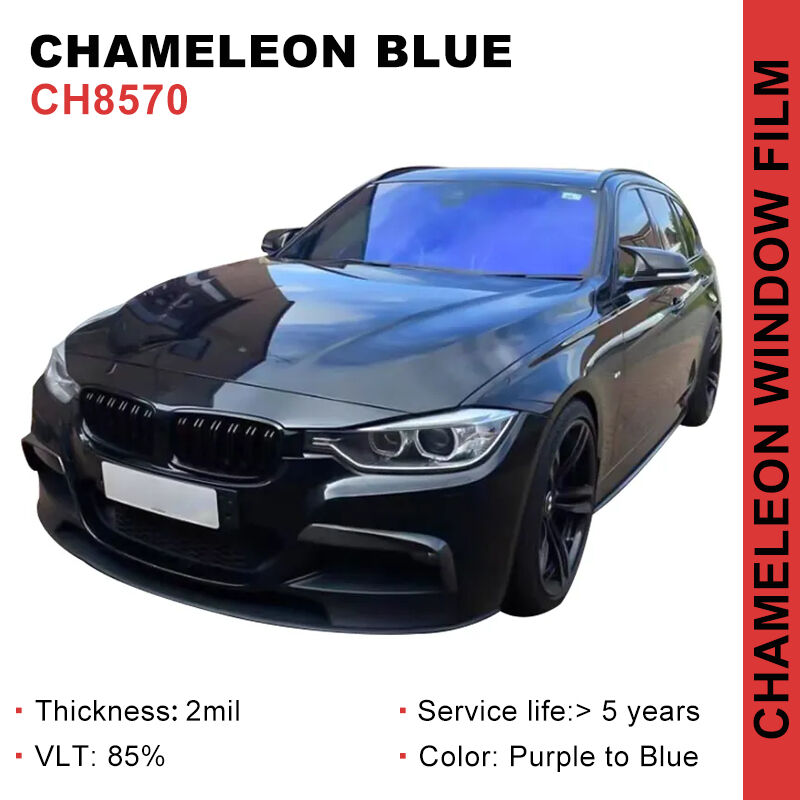
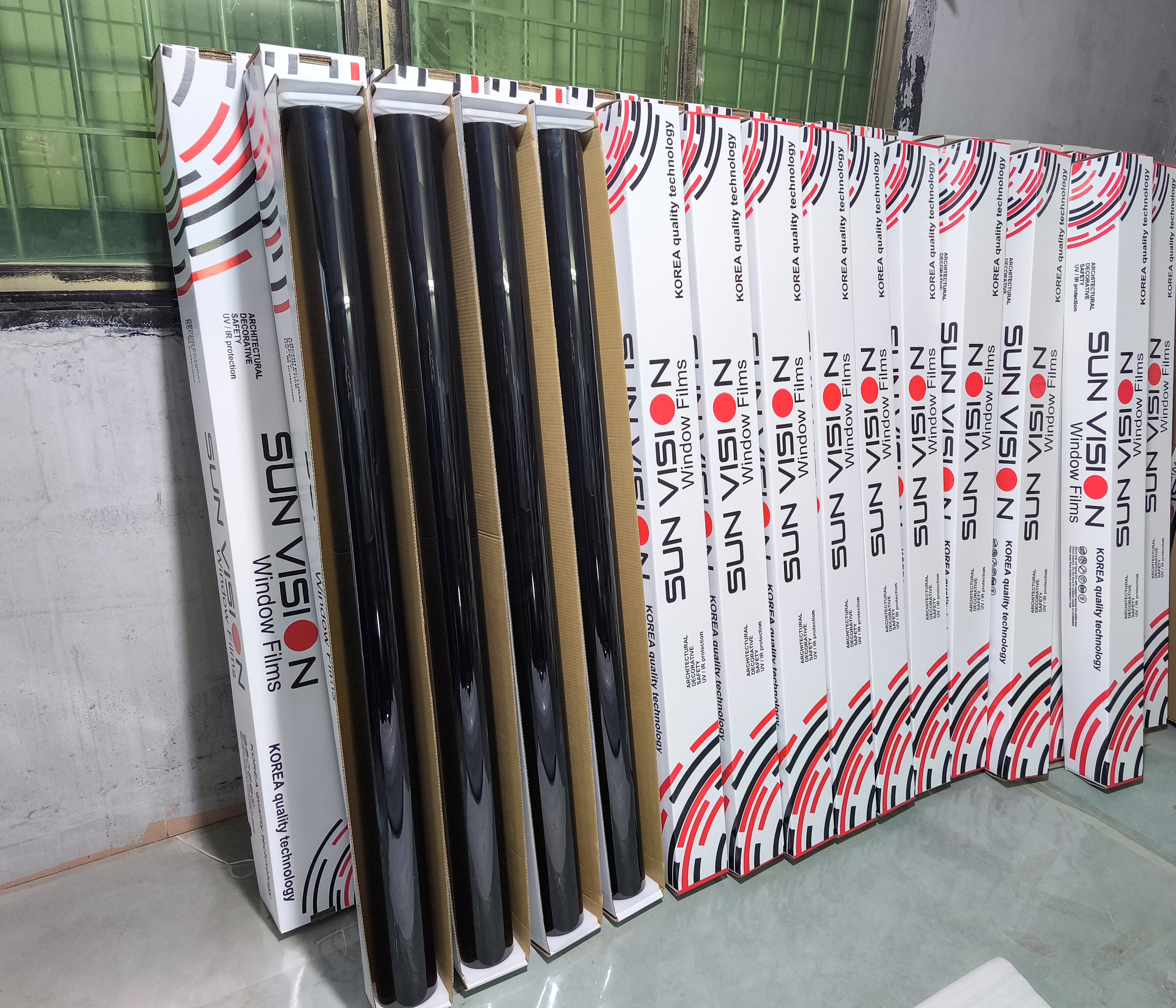
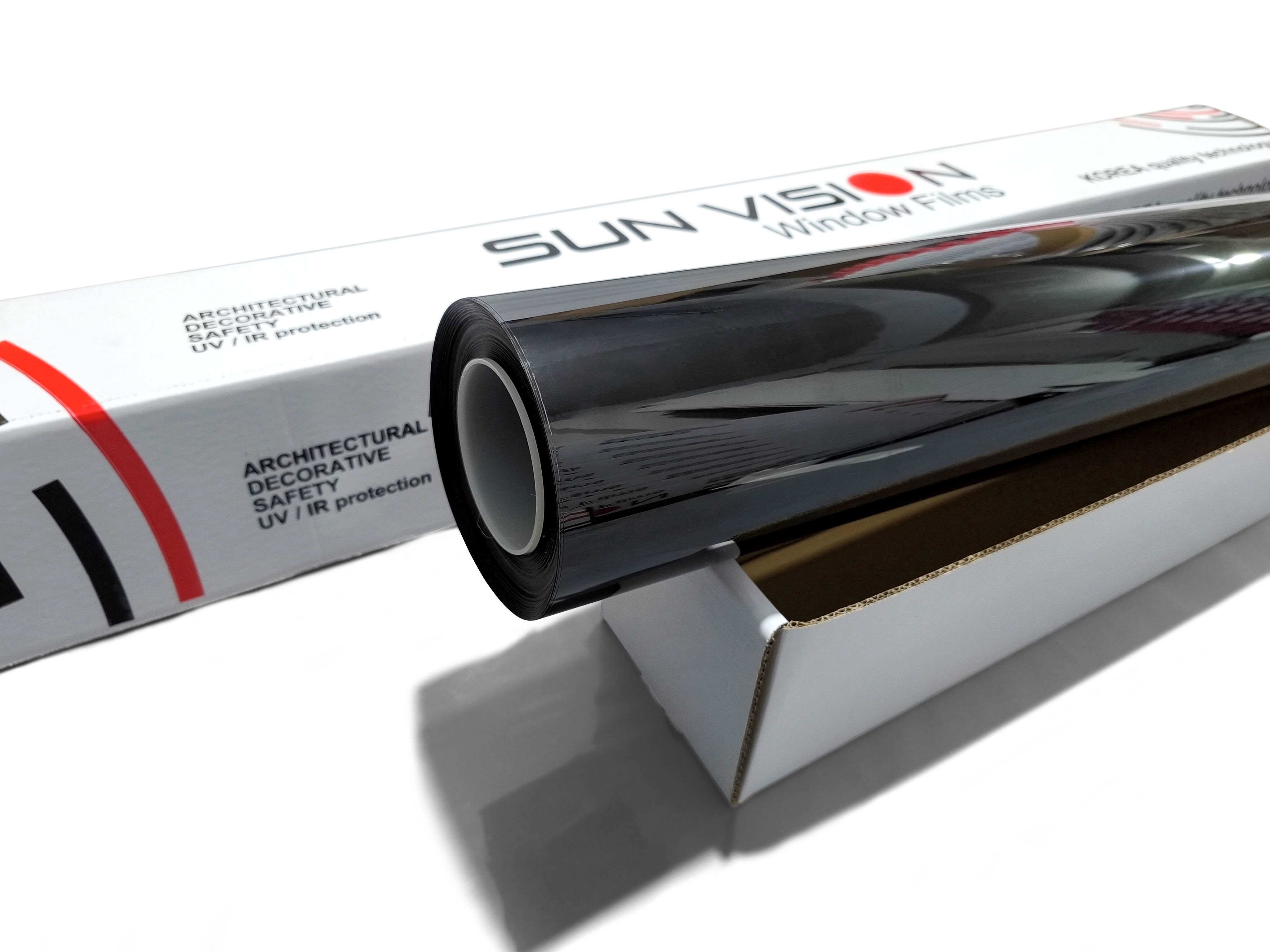
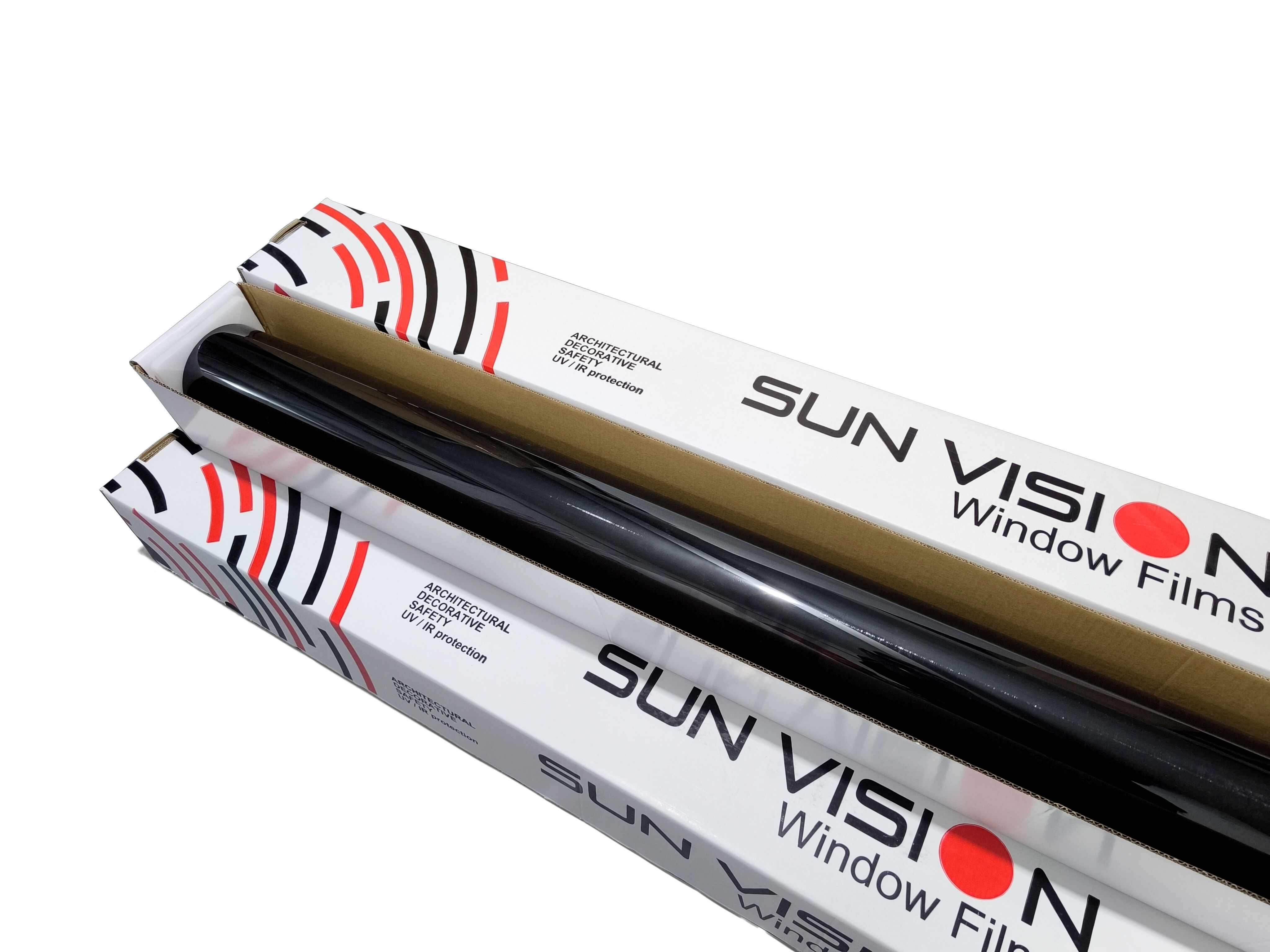
Window tinting represents a sophisticated modification that transforms ordinary glass surfaces into enhanced protective barriers. This advanced technology involves applying a specialized film to windows, which consists of multiple layers of polyester and metallic coatings. The primary function of window tinting extends beyond mere aesthetics, serving as a comprehensive solution for various challenges faced by vehicle owners and building occupants. Modern window tints incorporate advanced features such as UV protection technology, which blocks up to 99% of harmful ultraviolet rays, infrared heat rejection capabilities, and enhanced privacy features. The application process requires precision and expertise, utilizing computer-cut patterns and professional-grade adhesives to ensure seamless integration with the glass surface. These tints are available in various grades and shades, ranging from nearly clear films that prioritize UV protection to darker variants that maximize privacy and heat reduction. The technology has evolved to include ceramic and carbon-based materials that offer superior heat rejection without interfering with electronic signals, making them ideal for both automotive and architectural applications. Window tinting serves multiple purposes, including solar heat reduction, glare minimization, privacy enhancement, and protection of interior materials from sun damage, while maintaining optimal visibility and compliance with local regulations.
 EN
EN