
 EN
EN
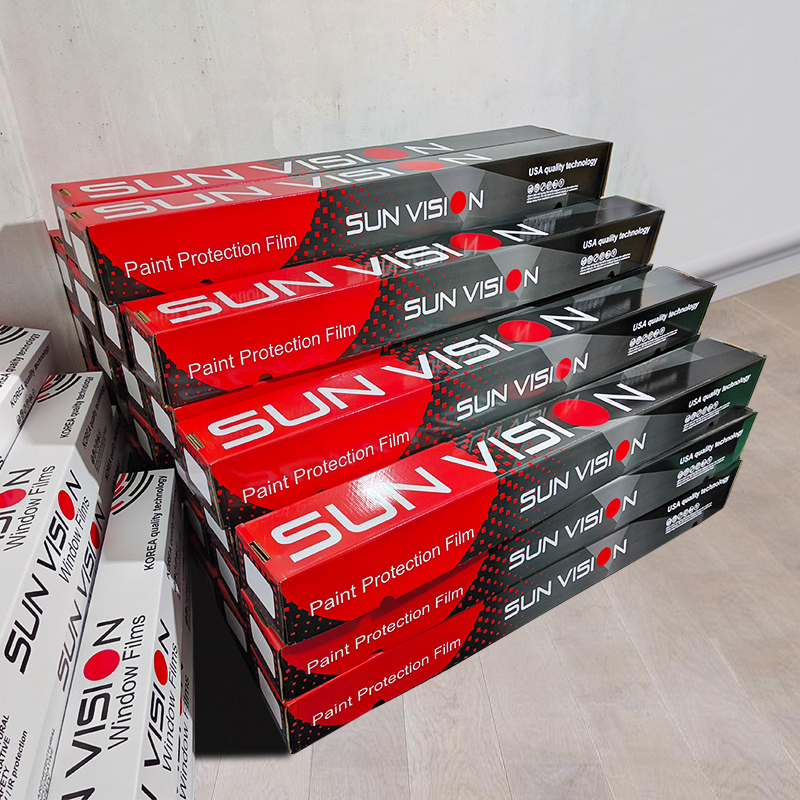
Mahalaga ang pag-unawa sa mga salik na nakaaapekto sa tibay at pagganap ng PPF para sa sasakyan upang matiyak ang pangmatagalang proteksyon sa pintura ng sasakyan. Ang PPF para sa sasakyan ay gumagana bilang isang transparenteng hadlang laban sa mga panganib mula sa kapaligiran, mga debris sa kalsada, at pang-araw-araw na pagkasira na maaaring sumira sa hitsura ng iyong sasakyan. Ang tagal ng buhay at epekto ng protektibong pelikulang ito ay nakasalalay sa maraming magkakaugnay na variable—mula sa komposisyon ng materyal hanggang sa kalidad ng pag-install at mga kondisyon sa kapaligiran.
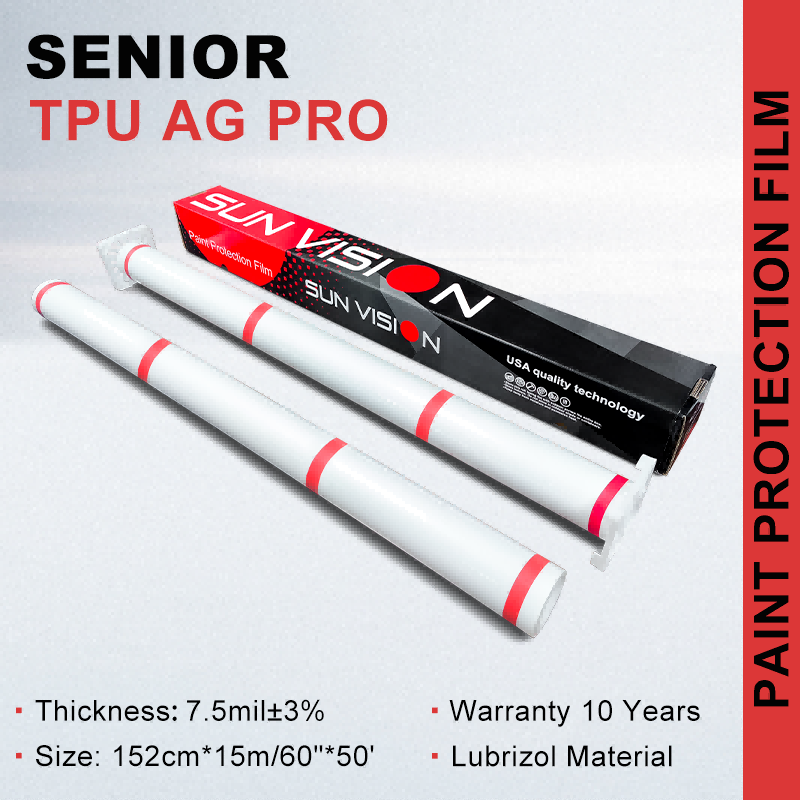
Nag-iiba nang malaki ang pagganap ng PPF para sa sasakyan batay sa kalidad ng pelikula, mga pamamaraan ng aplikasyon, at mga gawain sa pangangalaga. Ang mga premium na pelikulang thermoplastic polyurethane ay karaniwang nag-aalok ng mas mataas na tibay kumpara sa mga pangkaraniwang alternatibo, samantalang ang propesyonal na pag-install ay nagtiyak ng optimal na adhesion at saklaw. Ang mga salik sa kapaligiran tulad ng pagkakalantad sa UV, pagbabago ng temperatura, at mga kemikal na kontaminante ay may mahalagang papel din sa pagtukoy kung gaano kahusay ang pananatili ng protektibong katangian ng iyong PPF para sa sasakyan sa paglipas ng panahon.
Kalidad ng Materyal at mga Salik sa Komposisyon
Baitang at Kapal ng Thermoplastic Polyurethane
Ang pundasyon ng tibay ng car PPF ay nakasalalay sa kalidad ng thermoplastic polyurethane na ginagamit sa pagmamanupaktura. Ang mga mataas na baitang na materyales na TPU ay nagpapakita ng mas mahusay na paglaban sa panginguning, pagsisira, at pagkakahati-hati sa loob ng mahabang panahon. Ang premium na car PPF ay karaniwang gumagamit ng polyurethane na may kalidad na para sa medisina o agham pang-eroplanong industriya, na nananatiling nababaluktot sa iba’t ibang saklaw ng temperatura habang nagbibigay din ng mahusay na paglaban sa impact.
Ang kapal ng pelikula ay direktang nauugnay sa kakayahang protektahan at sa tagal ng buhay nito. Ang karaniwang kapal ng car PPF ay nasa pagitan ng 6 hanggang 12 mils, kung saan ang mas makapal na pelikula ay nag-aalok ng mas malakas na proteksyon laban sa mga bato na sumisipa at sa mas malalim na mga sugat. Gayunpaman, ang labis na kapal ay maaaring mabawasan ang kakayahang umangkop sa paligid ng mga kumplikadong kurba at gilid, na maaaring magdulot ng mga hamon sa pag-install na nakakaapekto sa pangmatagalang pagganap.
Ang molekular na istruktura ng polyurethane ang nagtatakda kung gaano kahusay ang pelikula sa paglaban sa degradasyon dulot ng kapaligiran. Ang mataas na kalidad na car PPF ay may kasamang mga stabilizer at mga additive na nakakapigil sa pagkabulok ng mga polymer chain kapag inilantad sa UV radiation, ozone, at mga kemikal na kontaminante na karaniwang nararanasan sa mga kapaligiran ng sasakyan.
Teknolohiya ng Sistema ng Pandikit
Ang layer ng pandikit ay isang mahalagang bahagi na nakaaapekto sa katatagan at mga katangian ng pag-alis ng car PPF. Ang mga pressure-sensitive adhesives ay dapat magbigay ng malakas na unang lakas ng pagkakadikit habang nagpapahintulot naman ng malinis na pag-alis matapos ang ilang taon ng paggamit. Ang mga advanced na pormulasyon ng pandikit ay nakakapigil sa adhesive transfer habang inaalis, na nagsisilbing proteksyon sa ibaba ng ibabaw ng pintura.
Ang mga pandikit na aktibado ng temperatura ay nag-aalok ng mas mahusay na pangmatagalang pagkakadikit kumpara sa mga sistemang sensitibo lamang sa presyon. Ang mga pandikit na ito ay pinalalakas ang kanilang pagkakadikit nang gradwal sa pamamagitan ng pag-uulit ng pag-init, na lumilikha ng mas matibay na pagkakadikit na tumututol sa pag-angat ng gilid at pagbuo ng mga bula. Ang kapal at pattern ng distribusyon ng pandikit ay nakaaapekto rin sa kung gaano kahusay ang pagkakasunod ng PPF ng sasakyan sa mga depekto ng pintura at sa mga tekstura ng ibabaw.
Ang pagkakasundo ng pandikit sa iba't ibang sistema ng pintura ay nakaaapekto sa tagumpay at haba ng buhay ng instalasyon. Ang mga modernong pandikit para sa PPF ng sasakyan ay binubuo upang gumana nang ligtas kasama ang iba't ibang uri ng pinturang pang-automobile, kabilang ang isang-yugtong pintura, base coat/clear coat, at mga pinturang may pinalakas na ceramic, nang hindi nagdudulot ng mga stain o reaksyon sa kemikal.
Kalidad ng Instalasyon at Mga Kondisyon sa Kapaligiran
Paghahanda ng Ibabaw at Teknik ng Paglalagay
Ang tamang paghahanda ng ibabaw ay may malaking epekto sa pagkakadikit ng PPF ng sasakyan at sa pangmatagalang pagganap nito. Ang lubusang pag-alis ng kontaminante ay nagtatanggal ng mga nakapit na dumi, mga residual na wax, at mga langis mula sa polishing na maaaring magpabagal o maiwasan ang tamang pagkakadikit. Ang pagwawasto ng pintura bago ang pag-install ay nag-aaseguro na ang PPF ng sasakyan ay kumakapit sa isang makinis at walang depekto na ibabaw na nagmamaksima ng optical clarity at protektibong sakop.
Ang temperatura at kahalumigmigan sa panahon ng pag-install ay nakaaapekto sa kung gaano kahusay ang PPF ng sasakyan ay sumasaklaw at kumakapit habang inilalagay. Ang pinakamainam na pag-install ay nangyayari sa loob ng tiyak na saklaw ng temperatura na nagpapahintulot sa tamang aktibasyon ng pandikit habang pinapanatili ang flexibility ng film. Ang labis na init ay maaaring magsanhi ng maagang daloy ng pandikit, samantalang ang malamig na kondisyon ay maaaring pigilan ang buong pagsumaklaw sa paligid ng mga kumplikadong ibabaw.
Ang teknik ng squeegee at ang paglalapat ng presyon ay nagtatakda sa kalidad ng pag-alis ng mga ugat at pagse-seal ng mga gilid. Ang tamang pag-install ay nangangailangan ng sistematikong pag-alis ng mga bulsa ng hangin at kahalumigmigan habang tiyakin ang kumpletong pagdikit sa mga gilid. Ang mababang antas ng teknik sa pag-install ay maaaring magdulot ng mga punto ng stress na magreresulta sa maagang pagkabigo kahit gamit ang mataas na kalidad na mga materyales ng PPF para sa kotse.
Mga Paktor ng Papel na Pandagat
Ang pagkakalantad sa radiation ng UV ay kumakatawan sa pangunahing kadahilanan mula sa kapaligiran na nakaaapekto sa degradasyon ng PPF para sa kotse sa paglipas ng panahon. Ang matagal na pagkakalantad sa matinding sikat ng araw ay maaaring magdulot ng pagsira sa mga polymer chain, na humahantong sa pagkakalantad, pagkabrittle, at pagbaba ng resistance sa impact. Ang de-kalidad na PPF para sa kotse ay may kasamang mga UV stabilizer na nagpapahaba ng buhay ng serbisyo, ngunit ang labis na kondisyon ng pagkakalantad ay maaari pa ring paabilisin ang proseso ng pagtanda.
Ang pag-uulit ng pagbabago ng temperatura sa pagitan ng mainit at malamig na kondisyon ay sumusubok sa kahutukang pisikal at sa pandikit na ugnayan ng mga instalasyon ng PPF para sa sasakyan. Ang paulit-ulit na pagpapalawak at pagkontrakt ay maaaring magdulot ng tensyon sa pelikula at sa interface ng pandikit, na posibleng magdulot ng pagtaas ng mga gilid o mikro-cracking sa mga produkto na mababa ang kalidad. Ang mga pelikulang mataas ang kalidad ay nananatiling elastic sa mas malawak na saklaw ng temperatura.
Ang pagkakalantad sa kemikal mula sa asin sa daan, mga likido para sa sasakyan, at mga produkto sa paglilinis ay nakaaapekto sa integridad ng ibabaw at sa mga optical na katangian ng PPF para sa sasakyan. Ang mga acidic o alkaline na kontaminante ay maaaring magdulot ng degradasyon ng ibabaw, pamumula, o kemikal na pananablay na nagpapababa ng kalinawan at ng epektibong proteksyon. Ang regular na paglilinis gamit ang angkop na mga produkto ay tumutulong sa pagpapanatili ng performance ng pelikula.
Mga Pamamaraan sa Pananatili at Paraan ng Paggamit
Mga Protocolo sa Paglilinis at Pangangalaga
Ang regular na pagpapanatili ay may malaking impluwensya sa tagal ng buhay at pagkakapreserba ng hitsura ng PPF ng sasakyan. Ang tamang pamamaraan sa paghuhugas gamit ang mga sabon na may neutral na pH at malalambot na materyales ay nakakaiwas sa pagkakasira ng ibabaw at kemikal na pinsala. Ang pag-iwas sa masyadong pampalasa na detergente, abrisibong tela, at mataas na presyur na paghuhugas sa malapit na distansya ay tumutulong na mapanatili ang integridad ng ibabaw ng pelikula.
Ang agarang pag-alis ng mga kontaminante ay nakakaiwas sa permanenteng pagkabulok at kemikal na pagkaugat sa ibabaw ng PPF ng sasakyan. Ang dumi ng ibon, damo ng puno, at industriyal na alikabok ay naglalaman ng mga asido at kemikal na maaaring sumilip at sirain ang pelikula kung hindi agad linisin. Ang mabilis na tugon sa anumang kontaminasyon ay nananatiling pinapanatili ang hitsura at protektibong tungkulin nito.
Ang propesyonal na serbisyo sa pagpapanatili ay maaaring palawigin ang buhay ng serbisyo ng PPF ng sasakyan sa pamamagitan ng espesyal na pamamaraan sa paghuhugas at pagrerepaso. Ang periodicong inspeksyon ng propesyonal ay nakakakilala ng potensyal na problema bago pa man ito maging malubha, na nagbibigay-daan sa pansariling pagpapanatili upang mapanatili ang optimal na pagganap.
Paggamit ng Sasakyan at Kondisyon sa Pagmamaneho
Ang mga ugali sa pagmamaneho at kondisyon ng kalsada ay direktang nakaaapekto sa rate ng pagsuot at pag-akumula ng pinsala sa PPF ng sasakyan. Ang pagmamaneho sa expressway ay nagpapahayag sa pelikula ng mataas na bilis na impact mula sa mga debris sa kalsada, kaya kailangan ng mas matibay na proteksyon kumpara sa pagmamaneho sa lungsod. Ang madalas na pagkakalantad sa mga lugar ng konstruksyon, mga kalsadang bato, o mga kondisyon sa labas ng kalsada ay pabilisin ang pagsuot at maaaring mangailangan ng premium car PPF na mga produkto para sa sapat na proteksyon.
Ang mga kondisyon sa pag-park ay nakaaapekto sa pagkakalantad sa UV at sa rate ng kontaminasyon mula sa kapaligiran. Ang pag-park sa garahe ay malaki ang nagpapahaba sa serbisyo ng buhay ng PPF ng sasakyan kumpara sa panlabas na pag-iimbak, samantalang ang covered parking ay nagbibigay ng panggitnang proteksyon. Ang mga urbanong kapaligiran na may mataas na antas ng polusyon ay maaaring nangangailangan ng mas madalas na paglilinis upang mapanatili ang kaliwanagan ng pelikula.
Ang mga panahon ay nakaaapekto sa mga kinakailangang gawain sa pagpapanatili at sa mga pattern ng pagsuot. Ang pagkakalantad sa asin sa kalsada noong taglamig ay nangangailangan ng mas agresibong pamamaraan sa paghuhugas, habang ang init at intensidad ng UV noong tag-init ay pabilisin ang proseso ng pagtanda. Ang pag-unawa sa epekto ng bawat panahon ay tumutulong sa pag-optimize ng mga rutina sa pag-aalaga para sa pinakamataas na tibay ng PPF ng sasakyan.
Pagsusukat ng Pagganap at mga Indikador ng Tagal ng Buhay
Mga Pamantayan sa Pansariling at Pisikal na Pagtataya
Ang pagganap ng car PPF ay maaaring tatayain sa pamamagitan ng sistematikong pansariling inspeksyon at pisikal na pagsusulit. Ang pagpapanatili ng kalinawan ay nagpapahiwatig ng tamang UV stabilization at kawalan ng kemikal na degradasyon, samantalang ang kalagayan ng mga gilid ay nagpapakita ng pagganap ng pandikit at kalidad ng instalasyon. Ang mga pagbabago sa texture ng ibabaw ay maaaring magpahiwatig ng pagkasira o hindi tamang mga gawain sa pagpapanatili.
Ang pagsusulit sa resistance sa impact ay nagpapakita ng kakayahang pangprotekta ng car PPF sa ilalim ng kontroladong kondisyon. Ang bago na film ay dapat magbigay ng pare-parehong proteksyon laban sa karaniwang pagsusulit sa impact, samantalang ang lumang film ay maaaring magpakita ng nabawasang pagganap na nagpapahiwatig ng kailangan ng kapalit. Ang regular na pagtataya ay tumutulong sa pagtukoy ng natitirang buhay ng serbisyo.
Ang pagsubok sa kakayahang umangkop at magpakalabnay ay nagpapakita ng kalagayan ng materyal at mga posibleng punto ng kabiguan. Dapat panatilihin ng Car PPF ang kanyang elastisidad at maangkop nang wasto sa mga kontur ng ibabaw sa buong tagal ng serbisyo nito. Ang pagkawala ng kakayahang umangkop ay madalas na nangyayari bago ang mas malubhang mga uri ng kabiguan tulad ng pagsira o paghiwalay ng mga layer.
Panahon ng Pagpapalit at mga Konsiderasyon sa Upgrade
Ang pagtukoy ng optimal na panahon ng pagpapalit ay umaayon sa pagitan ng kahusayan ng proteksyon at mga pampinansyal na konsiderasyon. Ang karamihan sa mga de-kalidad na instalasyon ng PPF para sa kotse ay nagbibigay ng 5–7 taong epektibong serbisyo sa ilalim ng normal na kondisyon, bagaman ang mga premium na produkto ay maaaring palawigin pa ang panahong ito. Maaaring maging cost-effective ang maagang pagpapalit para sa mga mataas ang halaga na sasakyan o sa mga mahigpit na kapaligiran ng operasyon.
Ang mga pagpapabuti sa teknolohiya ng mga materyales at pamamaraan sa pag-install ng PPF para sa kotse ay maaaring magbigay ng katuwiran para sa upgrade bago ang ganap na pagkabigo nito. Ang mga bagong pelikula ay madalas na nag-aalok ng mas mahusay na katangian tulad ng mas mainam na kakayahang mag-repair ang sarili, mas mahusay na kaliwanagan, o mas mataas na resistensya sa kemikal na nagbibigay ng karagdagang halaga bukod sa pangunahing proteksyon.
Dapat isaalang-alang sa pagsusuri ng ekonomiya ang halaga ng proteksyon, mga gastos sa pagpapanatili, at potensyal na gastos sa pinsala sa pintura kapag sinusuri ang desisyon tungkol sa pagpapalit ng PPF para sa kotse. Ang gastos sa pagpapalit ng pelikula ay kadalasang kumakatawan sa isang maliit na bahagi lamang ng kabuuang gastos sa pagrerepair ng pintura, kaya ang tamang panahon para sa pagpapalit ay ekonomikong kapaki-pakinabang para sa karamihan ng mga may-ari ng sasakyan.
Madalas Itanong
Gaano katagal karaniwan ang PPF para sa kotse bago kailangan ang pagpapalit?
Ang mga de-kalidad na pag-install ng PPF para sa kotse ay karaniwang nagbibigay ng 5–7 taon na epektibong proteksyon sa ilalim ng normal na kondisyon sa pagmamaneho. Ang mga premium na pelikula na may mataas na kalidad na UV stabilizer at mas makapal na konstruksyon ay maaaring tumagal ng 7–10 taon, samantalang ang mga pangunahing pelikula ay maaaring kailangang palitan pagkatapos ng 3–5 taon. Ang aktwal na buhay ng pelikula ay nakasalalay sa antas ng pagkakalantad sa kapaligiran, kalidad ng pagpapanatili, at mga pattern ng paggamit.
Ano ang mga pinakakaraniwang palatandaan na nabigo na ang PPF ng kotse?
Kabilang sa mga karaniwang palatandaan ng pagkabigo ang panginguning o pag-mumurkyo ng pelikula, pag-angat o pag-peel sa mga gilid, nakikitang pagsira o pag-crack, at binabawasan ang kakayahan sa proteksyon laban sa impact. Ang mga pagbabago sa texture ng ibabaw, permanenteng staining, o pagkawala ng kalinawan ay nagsisilbing senyales din ng bumababa na pagganap. Ang regular na inspeksyon ay tumutulong upang matukoy ang mga isyung ito bago magkaroon ng ganap na pagkabigo.
Maaari bang kontrolin ang mga salik sa kapaligiran upang mapahaba ang tibay ng PPF ng kotse?
Kahit ang kumpletong kontrol sa kapaligiran ay hindi praktikal, may ilang mga hakbang na maaaring palawigin ang buhay ng PPF ng sasakyan. Ang pagpapark ng sasakyan sa garahe ay nababawasan ang pagkakalantad sa UV at kontaminasyon, ang regular na paghuhugas ay naiiwasan ang kimikal na pinsala, at ang agad na pag-alis ng mga kontaminante ay naiiwasan ang pagkakaroon ng mga stain. Ang paggamit ng takip para sa sasakyan kapag ito ay nakatago nang matagal sa labas at ang pag-iwas sa mga mapang-irita na produkto sa paglilinis ay tumutulong din sa pagpanatili ng integridad ng pelikula.
Nagpapakahulugan ba ang kalidad ng PPF ng sasakyan ng mas mataas na paunang gastos para sa mas mahusay na tibay?
Ang premium na PPF para sa sasakyan ay karaniwang nag-aalok ng mas mahusay na tibay, pagpapanatili ng kalinawan, at pangkalahatang pagganap na nagpapaliwanag sa mas mataas na paunang gastos. Ang mas maginhawang mga materyales ay lumalaban sa pagkakalantad, nagbibigay ng mas mahusay na proteksyon laban sa impact, at pinapanatili ang itsura nang mas matagal kaysa sa mga ekonomiya o murang alternatibo. Ang mas mahabang buhay ng serbisyo at ang mas kaunti nang pagpapalit ng de-kalidad na pelikula ay madalas na nagreresulta sa mas mababang kabuuang gastos sa pagmamay-ari sa paglipas ng panahon.
Talaan ng Nilalaman
- Kalidad ng Materyal at mga Salik sa Komposisyon
- Kalidad ng Instalasyon at Mga Kondisyon sa Kapaligiran
- Mga Pamamaraan sa Pananatili at Paraan ng Paggamit
- Pagsusukat ng Pagganap at mga Indikador ng Tagal ng Buhay
-
Madalas Itanong
- Gaano katagal karaniwan ang PPF para sa kotse bago kailangan ang pagpapalit?
- Ano ang mga pinakakaraniwang palatandaan na nabigo na ang PPF ng kotse?
- Maaari bang kontrolin ang mga salik sa kapaligiran upang mapahaba ang tibay ng PPF ng kotse?
- Nagpapakahulugan ba ang kalidad ng PPF ng sasakyan ng mas mataas na paunang gastos para sa mas mahusay na tibay?