
 EN
EN
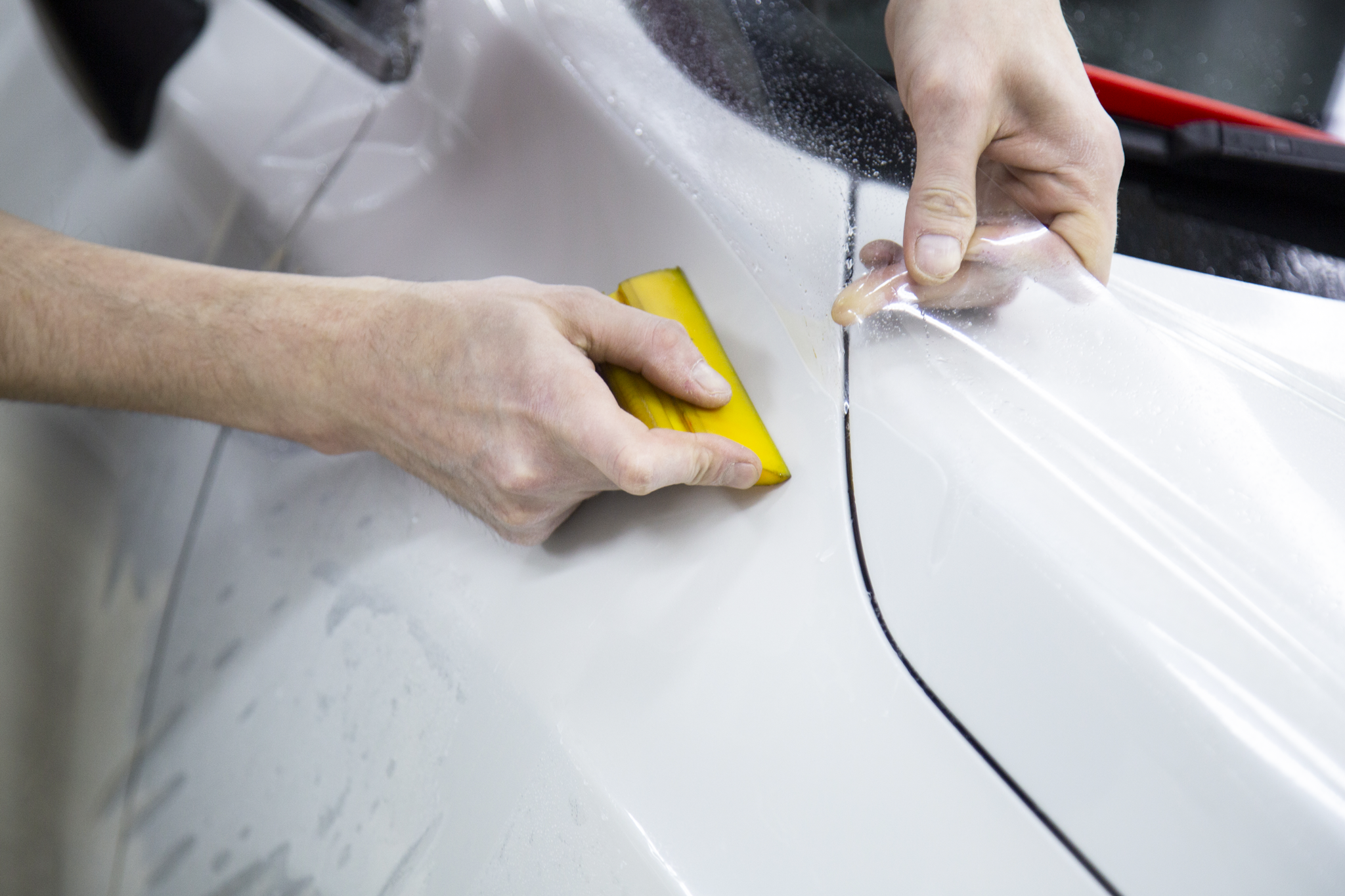
รถ ฟิล์มกันรอยสีรถ การติดตั้งเป็นกระบวนการที่ต้องใช้ความแม่นยำสูง ซึ่งจะแตกต่างกันอย่างมากขึ้นอยู่กับพื้นผิวของรถยนต์ที่กำลังดำเนินการรักษา การเข้าใจว่าฟิล์มป้องกันพื้นผิวรถยนต์ (PPF) ปรับตัวเข้ากับพื้นผิวยานยนต์ที่หลากหลายได้อย่างไร ถือเป็นสิ่งสำคัญยิ่งต่อการบรรลุผลลัพธ์ทั้งในด้านการป้องกันสูงสุดและความสวยงาม วิธีการติดตั้งจำเป็นต้องคำนึงถึงความโค้งของพื้นผิว องค์ประกอบของวัสดุ และปัจจัยด้านสิ่งแวดล้อมที่มีอิทธิพลต่อการยึดเกาะและการทำงานของฟิล์ม
การติดตั้งฟิล์มป้องกันพื้นผิวรถยนต์ (PPF) โดยผู้เชี่ยวชาญจำเป็นต้องใช้เทคนิคเฉพาะที่ออกแบบมาให้เหมาะสมกับแต่ละประเภทของพื้นผิวยานยนต์ ไม่ว่าจะเป็นแผงที่มีความโค้งซับซ้อนหรือบริเวณชิ้นส่วนตกแต่งที่มีรายละเอียดประณีต กระบวนการติดตั้งประกอบด้วยการเตรียมพื้นผิวอย่างรอบคอบ การจัดตำแหน่งฟิล์มอย่างแม่นยำ และวิธีการติดตั้งโดยผู้ชำนาญการ เพื่อให้มั่นใจในความทนทานระยะยาวและความชัดเจนทางสายตาบนชิ้นส่วนยานยนต์ที่หลากหลาย
วิธีการเตรียมพื้นผิวสำหรับพื้นที่ต่าง ๆ ของยานยนต์
ข้อกำหนดในการเตรียมพื้นผิวสี
การติดฟิล์มป้องกันสีรถยนต์ (PPF) บนพื้นผิวที่ทาสีเริ่มต้นด้วยการกำจัดสิ่งสกปรกอย่างละเอียดเพื่อขจัดสิ่งสกปรกที่ฝังตัวอยู่ คราบแว็กซ์ที่เหลือ และน้ำมันบนพื้นผิว ช่างติดตั้งมืออาชีพจะใช้วิธีขัดด้วยคลาบาร์ (clay bar) ตามด้วยการทำความสะอาดด้วยแอลกอฮอล์ไอโซโพรพิล (isopropyl alcohol) เพื่อให้มั่นใจว่าฟิล์มยึดติดได้ดีที่สุด อุณหภูมิของพื้นผิวสีรถยนต์ต้องรักษาไว้ระหว่าง 65–75°F ระหว่างการติดตั้งฟิล์ม PPF เพื่อป้องกันปัญหาที่อาจเกิดกับกาวและให้ฟิล์มสามารถปรับตัวเข้ากับพื้นผิวได้อย่างเหมาะสม
การตรวจสอบพื้นผิวจะเปิดเผยข้อบกพร่องของสีที่มีอยู่แล้ว รอยขีดข่วน หรือความไม่สมบูรณ์อื่นๆ ซึ่งอาจส่งผลต่อประสิทธิภาพของฟิล์ม PPF สำหรับรถยนต์ อาจจำเป็นต้องปรับแต่งสีในระดับเล็กน้อยก่อนการติดตั้ง เพื่อให้ได้พื้นผิวเรียบเนียนตามที่ต้องการสำหรับผลลัพธ์แบบมืออาชีพ ระยะการเตรียมพื้นผิวมักใช้เวลาคิดเป็น 30–40% ของเวลาการติดตั้งทั้งหมด ซึ่งแสดงให้เห็นถึงความสำคัญอย่างยิ่งของขั้นตอนนี้ต่อกระบวนการโดยรวม
การเตรียมชิ้นส่วนโลหะและพลาสติก
พื้นผิวโลหะที่ยังไม่ได้ทาสีและชิ้นส่วนตกแต่งพลาสติกจำเป็นต้องใช้เทคนิคการเตรียมพิเศษสำหรับการติดฟิล์มป้องกันรอยขีดข่วน (PPF) บนรถยนต์ เนื่องจากพื้นผิวเหล่านี้มักมีคุณสมบัติด้านการขยายตัวเมื่อได้รับความร้อนและระดับพลังงานผิวที่แตกต่างจากแผงสี ช่างติดตั้งจึงต้องปรับเปลี่ยนขั้นตอนการทำความสะอาดและวิธีการใช้ไพรเมอร์ให้เหมาะสมกับความแตกต่างของวัสดุเหล่านี้ โดยยังคงรับประกันการยึดเกาะของฟิล์มอย่างเชื่อถือได้
พื้นผิวพลาสติกอาจต้องได้รับการปรับปรุงพลังงานผิวเพิ่มเติม หรือใช้สารส่งเสริมการยึดเกาะแบบพิเศษเพื่อให้เกิดการยึดเกาะฟิล์มป้องกันรอยขีดข่วน (PPF) บนรถยนต์อย่างเหมาะสม ช่างติดตั้งจะประเมินประเภทพื้นผิวแต่ละชนิดเป็นรายกรณี และเลือกวิธีการเตรียมที่เหมาะสมตามองค์ประกอบของวัสดุและข้อกำหนดจากผู้ผลิต การดำเนินการแบบเจาะจงนี้ช่วยให้มั่นใจในคุณภาพของการติดตั้งที่สม่ำเสมอทั่วทั้งพื้นผิวรถที่หลากหลาย
เทคนิคการติดตั้งสำหรับพื้นผิวโค้งและพื้นผิวที่มีความซับซ้อน
การจัดการกับความท้าทายจากความโค้งที่ซับซ้อน
การติดฟิล์ม PPF สำหรับรถยนต์บนพื้นผิวโค้งต้องใช้เทคนิคขั้นสูงในการยืดและขึ้นรูปเพื่อป้องกันไม่ให้ฟิล์มบิดเบี้ยวหรือกาวเสียประสิทธิภาพ ช่างติดตั้งมืออาชีพจะใช้ความร้อนอย่างควบคุมได้ โดยทั่วไปอยู่ในช่วง 160–180°F เพื่อเพิ่มความยืดหยุ่นของฟิล์มระหว่างการติดตั้งบนพื้นผิวโค้งซับซ้อน เช่น ขอบกันชน ฝาครอบกระจกมองข้าง และเส้นสายรูปลักษณ์แบบแอโรไดนามิกของตัวถัง
ขั้นตอนการติดตั้งประกอบด้วยการตัดผ่อนแรงเชิงกลยุทธ์และการวางทับซ้อนกัน ซึ่งสามารถรองรับพื้นผิวโค้งรุนแรงได้โดยไม่ลดทอนประสิทธิภาพในการปกป้อง ช่างติดตั้งจำเป็นต้องจัดการแรงตึงของฟิล์มอย่างระมัดระวังเพื่อป้องกันการสะสมของแรงเครียดซึ่งอาจนำไปสู่การยกตัวหรือลอกหลุดออกในระยะยาว แต่ละส่วนที่มีลักษณะโค้งจำเป็นต้องประเมินแยกกันเพื่อกำหนดวิธีการติดตั้งที่เหมาะสมที่สุดสำหรับประสิทธิภาพระยะยาวของฟิล์ม PPF สำหรับรถยนต์
ขั้นตอนการติดตั้งบริเวณมุมและขอบ
มุมแหลมและขอบแผงต่างๆ สร้างความท้าทายเฉพาะตัวในการติดฟิล์มป้องกันพื้นผิวรถยนต์ (PPF) ซึ่งจำเป็นต้องใช้เทคนิคการห่อแบบพิเศษเพื่อให้ครอบคลุมพื้นผิวอย่างสมบูรณ์โดยไม่มีรอยต่อที่มองเห็นได้ ช่างติดตั้งมืออาชีพจะใช้วิธีการให้ความร้อนหลังการติด (post-heating) และขั้นตอนการปิดผนึกขอบฟิล์ม เพื่อตรึงขอบฟิล์มให้แน่นหนา ป้องกันการสัมผัสกับสภาพแวดล้อมภายนอกและแรงเครื่องจักร
กระบวนการติดตั้งบริเวณมุมประกอบด้วยการตัดแต่งอย่างแม่นยำ การยืดฟิล์มอย่างควบคุมได้ และการพับขอบฟิล์มเข้าไปอย่างระมัดระวัง เพื่อให้ได้เส้นติดตั้งที่มองไม่เห็น ช่างติดตั้งต้องคำนึงถึงสมดุลระหว่างการปกป้องพื้นผิวและการตอบสนองความต้องการด้านความสวยงาม โดยให้มั่นใจว่า ฟิล์มกันรอยขีดข่วนรถยนต์ (car PPF) ขอบฟิล์มจะยังคงยึดติดแน่นหนา ขณะเดียวกันก็รักษาลักษณะเดิมของตัวรถไว้อย่างสมบูรณ์ ความใส่ใจในรายละเอียดเช่นนี้คือสิ่งที่ทำให้การติดตั้งโดยมืออาชีพแตกต่างจากการติดตั้งโดยผู้ที่ไม่มีประสบการณ์
เทคนิคพิเศษสำหรับส่วนประกอบต่างๆ ของรถยนต์
การติดตั้งบริเวณฝากระโปรงหน้าและพื้นผิวแนวนอน
พื้นผิวแนวนอน เช่น ฝากระโปรงหน้า มีความท้าทายเฉพาะในการติดตั้งเนื่องจากผลกระทบของแรงโน้มถ่วงและศักยภาพในการสะสมสิ่งสกปรกในระหว่างกระบวนการติดตั้ง การติดฟิล์ม PPF สำหรับรถยนต์บนพื้นผิวเหล่านี้จำเป็นต้องควบคุมสภาพแวดล้อมให้ปราศจากฝุ่น และใช้เทคนิคการจัดตำแหน่งเฉพาะที่ป้องกันการปนเปื้อนระหว่างฟิล์มกับพื้นผิวในขั้นตอนการจัดตำแหน่งและการยึดติด
ลำดับขั้นตอนการติดตั้งบนพื้นผิวแนวนอนประกอบด้วยการกำจัดฟองอากาศอย่างเป็นระบบโดยใช้ไม้ปาดแบบพิเศษและรูปแบบการประยุกต์ความร้อน ช่างติดตั้งมืออาชีพทำงานอย่างเป็นระบบจากตรงกลางไปยังด้านนอก เพื่อให้แน่ใจว่ากาวสัมผัสพื้นผิวอย่างสมบูรณ์ พร้อมทั้งป้องกันการเกิดอากาศค้างที่อาจส่งผลต่อประสิทธิภาพระยะยาวของฟิล์ม PPF สำหรับรถยนต์ การควบคุมสภาพแวดล้อมจึงมีความสำคัญอย่างยิ่งในขั้นตอนนี้เพื่อรักษามาตรฐานคุณภาพของการติดตั้ง
วิธีการติดตั้งแผงแนวตั้งและประตู
พื้นผิวแนวตั้ง เช่น ประตูและแผงข้าง ต้องใช้เทคนิคการจัดตำแหน่งและการกระตุ้นกาวที่แตกต่างจากงานติดตั้งบนพื้นผิวแนวนอน การติดฟิล์มป้องกันพื้นผิวรถยนต์ (Car PPF) บนพื้นผิวแนวตั้งได้รับประโยชน์จากแรงโน้มถ่วงในการจัดตำแหน่งเบื้องต้น แต่จำเป็นต้องจัดการกาวอย่างระมัดระวังเพื่อป้องกันไม่ให้เกิดการยึดติดก่อนเวลาอันควร ก่อนที่จะจัดตำแหน่งให้ถูกต้องสมบูรณ์
บริเวณที่จับประตูและจุดเปลี่ยนผ่านของเส้นสายตัวถัง ต้องใช้เทคนิคการตัดและปรับรูปแบบอย่างแม่นยำ เพื่อรองรับชิ้นส่วนที่ใช้งานจริงโดยยังคงรักษาประสิทธิภาพในการป้องกันไว้อย่างสมบูรณ์ ช่างติดตั้งต้องคำนึงถึงการเปิด-ปิดประตู การเคลื่อนที่ของกระจก และปฏิสัมพันธ์กับชิ้นส่วนตกแต่ง ซึ่งหากไม่ได้รับการจัดการอย่างเหมาะสมระหว่างขั้นตอนการติดตั้ง อาจส่งผลต่ออายุการใช้งานของฟิล์มป้องกันพื้นผิวรถยนต์ (Car PPF) เหล่านี้ ปัจจัยดังกล่าวจึงต้องอาศัยการตัดสินใจจากประสบการณ์และความเชี่ยวชาญทางเทคนิคขั้นสูง
การควบคุมคุณภาพและขั้นตอนหลังการติดตั้ง
การตรวจสอบและทดสอบการยึดติด
การควบคุมคุณภาพหลังติดตั้งประกอบด้วยการทดสอบการยึดเกาะอย่างครอบคลุมบนพื้นผิวฟิล์มป้องกันสีรถยนต์ (PPF) ทั้งหมดที่ติดตั้งแล้ว เพื่อยืนยันว่ามีการยึดติดอย่างเหมาะสม และระบุบริเวณใดๆ ที่ต้องได้รับการตรวจสอบเพิ่มเติม ช่างติดตั้งมืออาชีพจะดำเนินการทดสอบการยกขอบฟิล์ม การตรวจสอบฟองอากาศ และการประเมินความคมชัดเชิงแสง เพื่อให้มั่นใจว่าการติดตั้งสอดคล้องตามมาตรฐานอุตสาหกรรมและข้อคาดหวังของลูกค้า
การทดสอบภายใต้สภาวะอุณหภูมิเปลี่ยนแปลงซ้ำๆ และการทดสอบภายใต้แรงเครียดช่วยระบุจุดที่อาจเกิดความล้มเหลวได้ก่อนส่งมอบรถยนต์ การประเมินคุณภาพการติดตั้งฟิล์มป้องกันสีรถยนต์ (PPF) รวมถึงการตรวจสอบการปิดผนึกขอบฟิล์มอย่างเหมาะสม ลักษณะภายนอกที่สม่ำเสมอ และการไม่มีข้อบกพร่องที่เกิดจากการติดตั้ง เช่น ปรากฏการณ์เงาสะท้อนแบบเงิน (silvering), พื้นผิวเป็นรอยคล้ายผิวส้ม (orange peel) หรือคราบสิ่งสกปรก ซึ่งอาจส่งผลต่อประสิทธิภาพหรือลักษณะโดยรวม
ข้อกำหนดในการบ่มเฉพาะตามประเภทพื้นผิว
พื้นผิวของยานพาหนะที่แตกต่างกันอาจต้องใช้ระยะเวลาในการแข็งตัวและขั้นตอนการดูแลหลังการติดตั้งที่แตกต่างกัน เพื่อให้ฟิล์มป้องกันสีรถยนต์ (PPF) ทำงานได้อย่างมีประสิทธิภาพสูงสุด พื้นผิวโค้งและรูปทรงเรขาคณิตที่ซับซ้อนมักต้องใช้ระยะเวลาในการแข็งตัวนานขึ้น เพื่อให้ระบบกาวสามารถพัฒนาความแข็งแรงของการยึดเกาะและทนต่อสภาพแวดล้อมตามที่ออกแบบไว้ได้อย่างสมบูรณ์
ช่างติดตั้งจะให้คำแนะนำในการดูแลเฉพาะพื้นผิว ซึ่งคำนึงถึงความแตกต่างของวัสดุ ระดับความซับซ้อนของการติดตั้ง และปัจจัยด้านการสัมผัสกับสภาพแวดล้อม แนวทางเหล่านี้ช่วยให้มั่นใจว่าการติดตั้งฟิล์มป้องกันสีรถยนต์ (PPF) จะสามารถใช้งานได้ตามอายุการใช้งานที่ออกแบบไว้บนพื้นผิวทั้งหมดที่ได้รับการป้องกัน ไม่ว่าพื้นผิวเหล่านั้นจะมีความซับซ้อนทางเรขาคณิตหรือองค์ประกอบของวัสดุอย่างไรก็ตาม การดูแลหลังการติดตั้งอย่างเหมาะสมมีผลโดยตรงต่อประสิทธิภาพในการป้องกันในระยะยาว
คำถามที่พบบ่อย
การติดตั้งฟิล์มป้องกันสีรถยนต์ (PPF) บนพื้นผิวของยานพาหนะที่แตกต่างกันใช้เวลานานเท่าใด
ระยะเวลาในการติดฟิล์ม PPF สำหรับรถยนต์แตกต่างกันอย่างมาก ขึ้นอยู่กับความซับซ้อนของพื้นผิวและพื้นที่ที่ต้องการปิดคลุม แผ่นเรียบง่ายอาจใช้เวลา 2–3 ชั่วโมงต่อส่วน ในขณะที่บริเวณโค้งซับซ้อน เช่น กันชนหรือฝาครอบกระจกมองข้าง อาจใช้เวลา 4–6 ชั่วโมง การติดฟิล์มแบบเต็มคันโดยทั่วไปใช้เวลา 2–3 วัน โดยอาจต้องใช้เวลาเพิ่มเติมสำหรับพื้นผิวที่ต้องการการเตรียมพิเศษหรือการติดฟิล์มหลายชั้น
สามารถติดฟิล์ม PPF สำหรับรถยนต์บนพื้นผิวที่มีพื้นผิวหยาบหรือไม่เรียบได้หรือไม่?
สามารถติดฟิล์ม PPF สำหรับรถยนต์บนพื้นผิวที่มีพื้นผิวหยาบเล็กน้อยได้ผลสำเร็จ แต่พื้นผิวที่มีพื้นผิวหยาบมากหรือมีรูพรุนอาจจำเป็นต้องใช้ฟิล์มเฉพาะหรือเทคนิคการเตรียมพิเศษ ผู้ติดตั้งจำเป็นต้องประเมินความลึกและลักษณะของพื้นผิวเพื่อกำหนดประเภทฟิล์มและวิธีการติดตั้งที่เหมาะสม บางพื้นผิวที่มีพื้นผิวหยาบอาจจำเป็นต้องใช้ไพรเมอร์หรือปรับเปลี่ยนพื้นผิวก่อนเพื่อให้เกิดการยึดเกาะที่เชื่อถือได้
หากการติดฟิล์ม PPF สำหรับรถยนต์ล้มเหลวบนพื้นผิวบางประเภท จะเกิดอะไรขึ้น?
ความล้มเหลวในการติดตั้งมักจะแสดงออกในรูปของการยกขอบ, กระจก, หรือการติดแน่นที่ไม่ดีบนพื้นผิวเฉพาะเจาะจง นักติดตั้งมืออาชีพแก้ปัญหาเหล่านี้ด้วยการติดตั้งใหม่ในพื้นที่, การเตรียมผิวใหม่, หรือเทคนิคการใช้งานอื่น ๆ ปัญหาการติดตั้งส่วนใหญ่มาจากการเตรียมผิวที่ไม่เหมาะสมหรือสภาพแวดล้อมที่ไม่เหมาะสม
มีพื้นที่ของรถที่ไม่แนะนําการติดตั้ง PPF ของรถหรือไม่
การติดตั้ง PPF รถยนต์ไม่แนะนําบนพื้นที่ที่มีการกัดกร่อนที่ทํางาน, สีที่เสียหายหนัก, หรือวัสดุที่มีขุมขัดขวางมากที่ไม่สามารถให้ความสมบูรณ์แบบของพื้นฐานที่เพียงพอ พื้นที่ที่มีเนื้อเยื่อสามมิติที่ซับซ้อน, ปริมปริมยาง, หรือส่วนประกอบยืดหยุ่นอาจไม่เหมาะสําหรับการติดตั้ง PPF แบบมาตรฐานเช่นกัน การประเมินทางมืออาชีพจะกําหนดความเหมาะสมของพื้นผิว และตัวเลือกการป้องกันทางเลือกเมื่อจําเป็น