 EN
EN
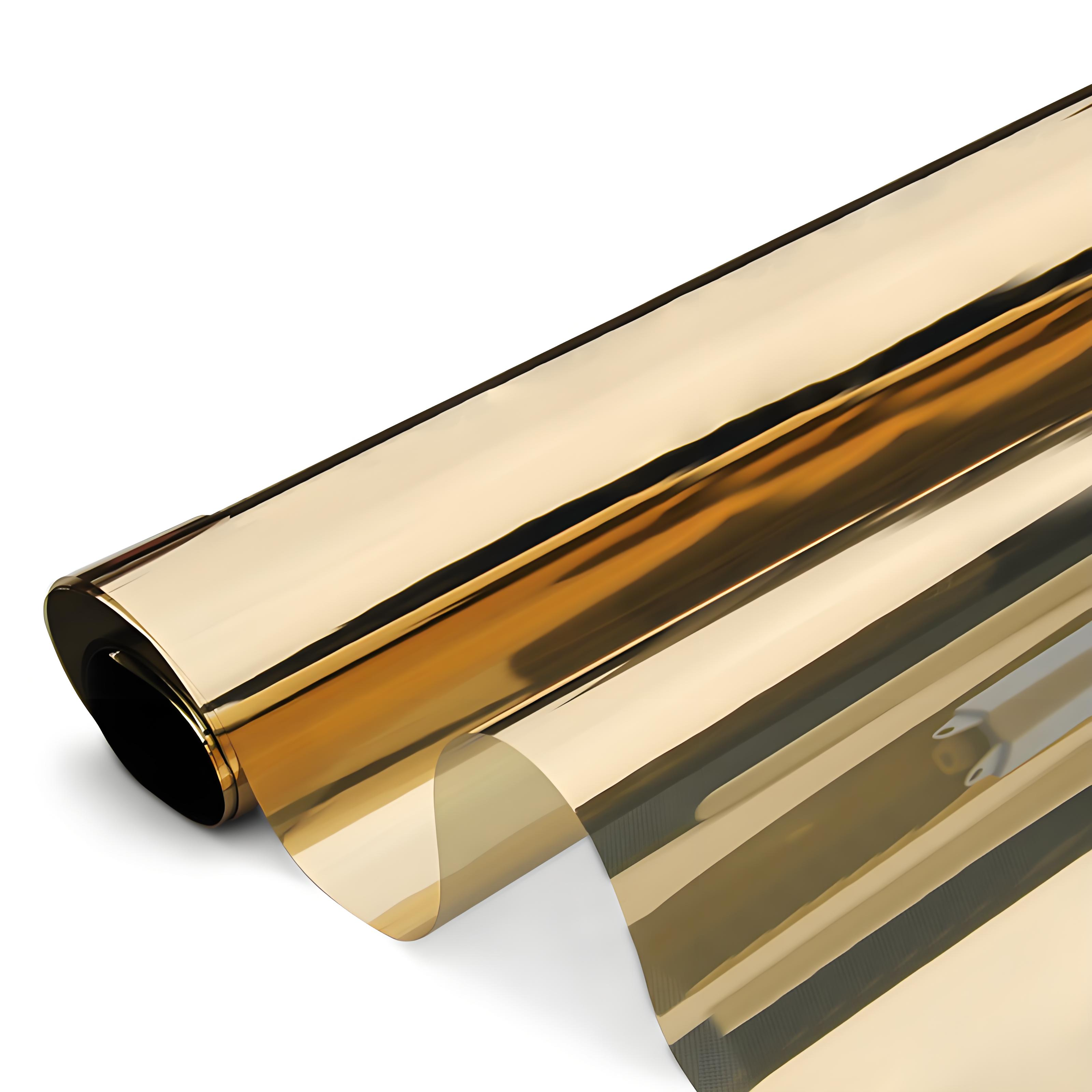
Fensterfolie stellt eine hochentwickelte, aber dennoch zugängliche Lösung für Hausbesitzer dar, die ihren Wohnraum durch fortschrittliche Schutztechnologie verbessern möchten. Dieses dünne, mehrschichtige Material wird direkt auf Glasflächen aufgebracht und fungiert als unsichtbarer Schutzschild gegen verschiedene Umwelteinflüsse, ohne dabei die ästhetische Wirkung des natürlichen Lichts in Ihrem Zuhause einzuschränken. Ein Verständnis dessen, was Fensterfolie ist und wie sie funktioniert, hilft Ihnen dabei, fundierte Entscheidungen zum Schutz Ihrer wertvollsten Investition zu treffen.
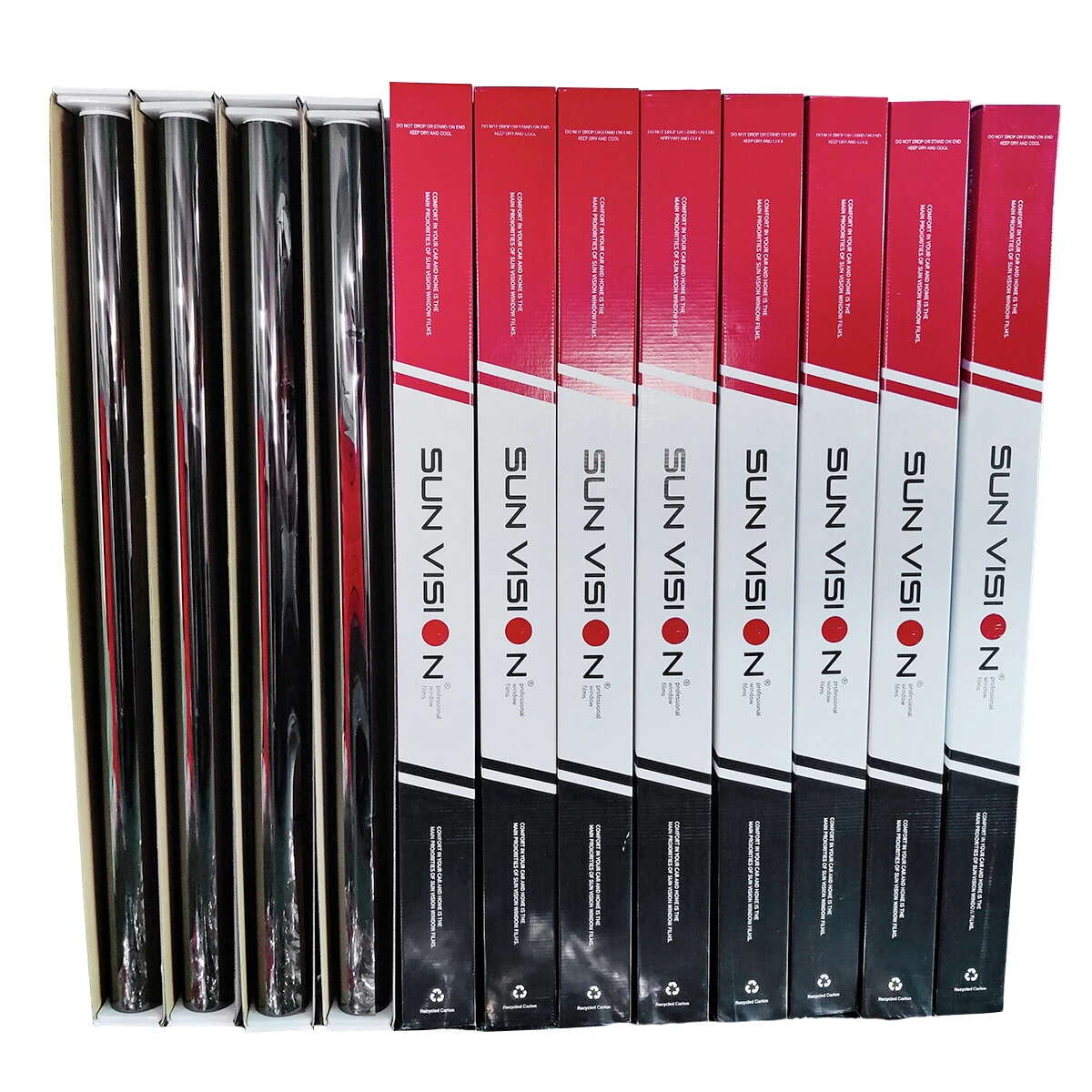
Die moderne Fensterfolientechnologie hat sich weit über einfache getönte Glasanwendungen hinaus entwickelt und ist zu einem umfassenden Heimschutzsystem geworden. Diese speziellen Folien bestehen aus mehreren Schutzschichten, die gemeinsam Wärme- und UV-Strahlungseinwirkung, Privatsphäre sowie Sicherheitsrisiken adressieren. Bei fachgerechter Montage bildet die Fensterfolie eine nahezu unbemerkbare Barriere, die den Wohnkomfort, die Energieeffizienz und den allgemeinen Schutz Ihres Hauses deutlich verbessert – ohne Sichtverbindung oder Tageslicht einzuschränken.
Verständnis der Fensterfolientechnologie und ihrer Zusammensetzung
Mehrschichtige Konstruktion und Materialien
Fensterfolie besteht aus mehreren mikroskopisch dünnen Schichten, von denen jede speziell darauf ausgelegt ist, bestimmte Schutzfunktionen in Ihrer Wohnumgebung zu erfüllen. Die Basisschicht besteht üblicherweise aus Polyethylenterephthalat (PET), einem robusten Polymer, das strukturelle Stabilität und optische Klarheit bietet. Diese Grundlage trägt zusätzliche Schichten, die beispielsweise Metalloxide, Keramiken oder spezielle Polymere enthalten können, die zur Filterung bestimmter Licht- und Wärmewellenlängen entwickelt wurden.
Das Klebesystem stellt eine weitere entscheidende Komponente bei der Konstruktion hochwertiger Fensterfolien dar. Professionelle Folien verwenden druckempfindliche Klebstoffe, die dauerhafte Verbindungen mit Glasoberflächen eingehen, gleichzeitig aber bei Bedarf sauber entfernt werden können. Diese Klebstoffformulierungen sind resistent gegenüber Degradation durch UV-Strahlung und Temperaturschwankungen und gewährleisten so eine langfristige Leistungsfähigkeit ohne Blasenbildung, Abblättern oder Vergilbung, die sowohl Funktionalität als auch optisches Erscheinungsbild beeinträchtigen könnten.
Moderne Fensterfolienprodukte enthalten nano-keramische Partikel oder metallische Elemente, die eine hervorragende Wärmeablehnung bieten, ohne elektronische Signale zu stören. Diese Technologie ermöglicht es modernen Folien, erhebliche Mengen an Infrarotstrahlung zu blockieren, während gleichzeitig eine ausgezeichnete Sichtbarkeit gewährleistet bleibt und die Signalstörungen vermieden werden, die bei älteren metallisierten Folien auftraten. Die präzise Konstruktion dieser Materialien bestimmt die gesamten Leistungsmerkmale und die Haltbarkeit der Folie.
Optische Eigenschaften und Leistungsmerkmale
Die optische Leistung einer Fensterfolie hängt von sorgfältig abgestimmten Durchlass-, Reflexions- und Absorptionseigenschaften in verschiedenen Bereichen des elektromagnetischen Spektrums ab. Die Durchlässigkeit für sichtbares Licht bestimmt, wie viel Tageslicht in Ihr Zuhause gelangt, während die Rückweisung von Infrarotstrahlung die Wärmeentwicklung und die Energieeffizienz steuert. Hochwertige Fensterfolien erzielen eine optimale Leistung, indem sie gezielt schädliche Wellenlängen filtern und gleichzeitig eine nützliche natürliche Beleuchtung bewahren.
Die gesamte solare Energie-Rückweisung stellt das umfassendste Maß für die thermische Leistung einer Fensterfolie dar und umfasst sowohl reflektierte als auch absorbierte Energie, die nicht in Ihren Wohnraum eindringt. Professionelle Folien können 50–80 % der gesamten solaren Energie zurückweisen und senken dadurch deutlich die Kühlkosten sowie verbessern den Komfort im Innenraum. Diese Leistung führt direkt zu messbaren Energieeinsparungen und einer verbesserten Raumklimasteuerung im gesamten Haus.
Farbstabilität und optische Klarheit bleiben bei hochwertigen fensterfolie produkte auch nach Jahren der Einwirkung intensiven Sonnenlichts und Temperaturschwankungen. Minderwertige Folien können im Laufe der Zeit eine violette oder bronzefarbene Tönung annehmen, doch fortschrittliche Herstellungsverfahren und die Auswahl geeigneter Materialien gewährleisten, dass hochwertige Fensterfolien ihr ursprüngliches Erscheinungsbild und ihre Leistungsmerkmale während ihrer gesamten funktionalen Lebensdauer bewahren.
Umfassende Schutzvorteile für das Zuhause
Blockierung ultravioletter Strahlung und Erhaltung der Innenräume
Ultraviolette Strahlung verursacht erhebliche Schäden an Einrichtungsgegenständen, Bodenbelägen, Kunstwerken und Textilien durch einen Prozess namens Photodegradation. Fensterfolien blockieren bis zu 99 % der schädlichen UV-Strahlen und verlangsamen dadurch deutlich die Ausbleichung und Alterung wertvoller Innenelemente. Dieser Schutz verlängert die Lebensdauer von Teppichen, Polstermöbeln, Holzmöbeln und dekorativen Gegenständen und bewahrt deren ursprüngliche Farben sowie strukturelle Integrität.
Die wirtschaftlichen Auswirkungen des UV-Schutzes werden deutlich, wenn man die Ersatzkosten für durch Sonneneinstrahlung beschädigte Innenelemente betrachtet. Hochwertige Fensterfolien amortisieren sich im Laufe der Zeit, indem sie teure Einrichtungsgegenstände, Parkettböden und individuelle Fensterbekleidungen vor vorzeitigem Austausch oder aufwendiger Restaurierung bewahren. Dieser Schutz erweist sich insbesondere in Häusern mit großen Fenstern, Dachfenstern oder umfangreicher nach Süden ausgerichteter Glasfläche als besonders wertvoll.
Über den Erhalt von Materialien hinaus schützt UV-blockierende Fensterfolie die menschliche Gesundheit, indem sie die Exposition gegenüber schädlicher Strahlung während indoorer Aktivitäten reduziert. Eine langfristige UV-Exposition durch Fenster kann zu Hautschäden und vorzeitiger Hautalterung beitragen; Fensterfolien sind daher ein wichtiger Bestandteil umfassender Sonnenschutzstrategien für gesundheitsbewusste Hausbesitzer und deren Familien.
Thermische Steuerung und Energieeffizienz
Die Wärmeableitung stellt einen der unmittelbar spürbarsten Vorteile einer professionellen Fensterfolien-Installation dar. Indem die Fensterfolie Infrarotstrahlung bereits vor ihrem Eintritt in Ihr Zuhause blockiert, verringert sie die solare Wärmeeintragung, die Klimaanlagen in warmen Jahreszeiten stärker arbeiten lässt. Diese thermische Steuerung sorgt für gleichmäßigere Innentemperaturen und senkt den Energieverbrauch während der Hauptkühlzeiten.
Die dämmenden Eigenschaften bestimmter Fensterfolienprodukte tragen zudem dazu bei, erwärftete Luft während der Wintermonate im Gebäude zu halten, was ganzjährig zu einer höheren Energieeffizienz führt. Niedrig-emissive Folien reflektieren die Wärme aus dem Innenraum zurück in die Wohnbereiche, reduzieren so den Wärmeverlust über die Fenster und senken die Heizkosten. Diese Leistung über beide Jahreszeiten hinweg macht Fensterfolien zu einer wertvollen Investition für Hausbesitzer in unterschiedlichen Klimazonen.
Professionelle Energieaudits zeigen durchgängig messbare Reduktionen der Kühl- und Heizkosten nach einer qualitativ hochwertigen Installation von Fensterfolien. Abhängig von der Größe des Hauses, der Ausrichtung der Fenster und den lokalen Klimabedingungen erzielen Hausbesitzer typischerweise Einsparungen von 10–30 % bei ihren Energiekosten. Diese Einsparungen summieren sich über die Lebensdauer der Folie und übersteigen oft die anfänglichen Installationskosten bereits innerhalb weniger Jahre nach der Anbringung.
Funktionen zur Verbesserung von Sicherheit und Schutz
Verstärkung des Glases und Splitterresistenz
Sicherheitsfensterfolien verwandeln gewöhnliches Glas in eine widerstandsfähigere Barriere gegen gewaltsamen Einbruch, schwere Wetterereignisse und unbeabsichtigte Aufprallbelastungen. Dank ihrer haftenden Eigenschaften hält die Folie die Glassplitter auch bei Bruch der darunterliegenden Scheibe zusammen und verhindert so das Verstreuen gefährlicher Glasscherben im Innenraum. Diese Eindämmungsfunktion schützt die Insassen vor Verletzungen und bewahrt gleichzeitig die strukturelle Integrität des Fensters während Notfällen.
Dickere Sicherheitsfolien für Fenster können gewaltsame Einbruchsversuche erheblich verzögern, da das Entfernen des Glases dadurch extrem schwierig und zeitaufwändig wird. Professionelle Montagetechniken gewährleisten eine lückenlose Abdeckung und eine fachgerechte Haftung und schaffen so eine transparente Sicherheitsbarriere, die das Erscheinungsbild Ihres Hauses nicht verändert, gleichzeitig aber dessen Widerstandsfähigkeit gegen Einbrüche und Vandalismus deutlich erhöht.
Der Schutz vor Stürmen stellt einen weiteren wichtigen Sicherheitsvorteil von verstärkten Fensterfolien dar. Bei schweren Wetterereignissen können herumfliegende Gegenstände zu katastrophalen Fensterschäden führen, wodurch die Gebäudehülle Ihres Hauses beeinträchtigt und die Innenräume Wind- und Wasserschäden ausgesetzt werden. Sicherheitsfensterfolien helfen, solche Schäden zu verhindern, und bewahren dabei – bei sachgemäßer Planung und fachgerechter Installation – die Möglichkeit eines Notausgangs.
Lösungen für Privatsphäre und Blendungskontrolle
Tageslicht-Privatsphärenfolie für Fenster ermöglicht die Durchlässigkeit von natürlichem Licht, während sie den Blick von außen stehenden Beobachtern auf den Innenraum verhindert. Diese Funktion erweist sich insbesondere bei Erdgeschoss-Fenstern, im Badezimmer sowie in Heimbüros als besonders wertvoll, wo Privacy-Anforderungen mit den Anforderungen an eine ausreichende Beleuchtung in Einklang gebracht werden müssen. Verschiedene Deckgradstufen ermöglichen unterschiedliche Privacy-Anforderungen, ohne das für das Wohlbefinden förderliche natürliche Tageslicht vollständig zu blockieren.
Die Reduzierung von Blendung erhöht den Komfort und die Produktivität in Räumen mit Computerbildschirmen, Fernsehgeräten oder Lesebereichen. Eine starke Blendung durch direktes Sonnenlicht führt zu Augenbelastung und verringert die Sichtbarkeit elektronischer Displays, wodurch betroffene Räume zu bestimmten Tageszeiten weniger funktional werden. Die Fensterfolie mildert die Intensität des einfallenden Lichts, bewahrt jedoch eine ausreichende Beleuchtungsstärke für normale Aktivitäten und Aufgaben.
Die Datenschutzvorteile von Fensterfolien reichen über die visuelle Abschirmung hinaus und umfassen die Reduzierung der Wärme-Signatur sowie einen verbesserten Innenaufenthaltskomfort. Durch die Steuerung der Menge an Wärme und Licht, die in Ihr Zuhause eindringt, schaffen Fensterfolien gleichmäßigere und komfortablere Wohnverhältnisse – bei gleichzeitiger Wahrung der Privatsphäre und Sicherheit, die Hausbesitzer in ihren persönlichen Räumen schätzen.
Installationsüberlegungen und Leistungsoptimierung
Anforderungen an professionelle Installation
Eine fachgerechte Montage von Fensterfolien erfordert spezielle Werkzeuge, Techniken und Erfahrung, um eine optimale Leistung und lange Lebensdauer zu gewährleisten. Professionelle Installateure bereiten die Glasoberflächen durch gründliche Reinigung und Inspektion vor, wobei potenzielle Montageprobleme wie Kratzer, Chips oder Unregelmäßigkeiten identifiziert werden, die die Haftung der Folie beeinträchtigen könnten. Diese Vorbereitung stellt den maximalen Kontakt zwischen Folie und Glasoberfläche sicher.
Die Installationsumgebung muss kontrolliert werden, um eine Kontamination durch Staub, Feuchtigkeit oder Temperaturschwankungen zu verhindern, die die Haftverbindung beeinträchtigen könnten. Professionelle Installateure verwenden spezielle Techniken, um Luftblasen zu entfernen, eine korrekte Ausrichtung sicherzustellen und eine nahtlose Abdeckung über die gesamte Fensterfläche zu erzielen. Diese Fertigkeiten sowie die Sorgfalt im Detail wirken sich unmittelbar auf das Erscheinungsbild, die Leistungsfähigkeit und die Haltbarkeit der Folie während ihrer Einsatzdauer aus.
Eine qualitativ hochwertige Installation umfasst korrekte Kantenabdichtung und Zuschnittstechniken, die ein Eindringen von Feuchtigkeit verhindern und ein sauberes, professionelles Erscheinungsbild gewährleisten. Erfahrene Installateure wissen, dass unterschiedliche Fenstertypen, Glassstärken und architektonische Merkmale jeweils spezifische Installationsansätze erfordern, um optimale Ergebnisse zu erzielen – und zwar unter Wahrung der Herstellergarantien sowie der Leistungsversprechen.
Wartungs- und Haltbarkeitsaspekte
Die Pflegeanforderungen für Fensterfolien bleiben minimal, solange die Produkte sachgerecht ausgewählt und professionell installiert werden. Eine regelmäßige Reinigung mit geeigneten Lösungen und Techniken erhält die optische Klarheit und die Leistungsmerkmale, ohne die Folienoberfläche oder die Klebeverbindung zu beschädigen. Das Verständnis der richtigen Reinigungsmethoden hilft Hausbesitzern, ihre Investition zu schützen und gleichzeitig den ästhetischen sowie funktionalen Nutzen der Folie zu bewahren.
Die Lebensdauer hochwertiger Fensterfolien liegt typischerweise zwischen 10 und 25 Jahren und hängt von den Produktspezifikationen, der Installationsqualität sowie den Umgebungsbedingungen ab. Hochwertige Folien mit umfassenden Herstellergarantien bieten langfristigen Wert und Leistungsversicherung und stellen damit kosteneffiziente Lösungen für Hausbesitzer dar, die dauerhaften Schutz sowie Verbesserungen der Energieeffizienz suchen.
Umweltfaktoren wie extreme Temperaturen, Luftfeuchtigkeit und UV-Strahlungsintensität beeinflussen Leistung und Lebensdauer von Fensterfolien. Eine professionelle Bewertung Ihrer spezifischen Einbaubedingungen hilft dabei, das geeignete Produkt auszuwählen und die zu erwartenden Leistungsparameter zu bestimmen, um sicherzustellen, dass Ihre Investition in Fensterfolien während ihrer gesamten funktionalen Lebensdauer den maximalen Nutzen bringt.
Häufig gestellte Fragen
Wie lange hält Fensterfolie an Wohngebäudefenstern?
Hochwertige Fensterfolien halten in der Regel 10 bis 25 Jahre, wobei die genaue Lebensdauer vom jeweiligen Produkt, der Qualität der Montage sowie den Umgebungsbedingungen abhängt. Hochwertige keramische Folien und Folien mit Nanotechnologie bieten in der Regel eine längere Lebensdauer und umfassende Herstellergarantien, während Einsteigerprodukte möglicherweise früher ausgetauscht werden müssen. Eine sachgemäße Pflege und eine professionelle Montage verlängern die Haltbarkeit und Leistung der Folie deutlich.
Kann Fensterfolie entfernt werden, ohne das Glas zu beschädigen?
Folien für Fenster in professioneller Qualität können vollständig entfernt werden, ohne die darunterliegende Glasoberfläche bei korrekter Anwendung der Entfernungstechniken zu beschädigen. Der Entfernungsprozess umfasst das Erwärmen der Folie, um den Klebstoff zu erweichen, gefolgt vom vorsichtigen Abziehen und der Reinigung eventuell verbleibender Rückstände. Selbst durchgeführte Entfernungsversuche können Klebstoffrückstände hinterlassen oder Kratzer auf dem Glas verursachen; daher wird die Inanspruchnahme professioneller Entfernungsdienstleistungen für wertvolle oder empfindliche Fenster empfohlen.
Stört Fensterfolie Mobilfunk- oder WLAN-Signale?
Moderne keramische und nano-keramische Fensterfolien beeinträchtigen weder Mobilfunk-, WLAN- noch andere elektronische Signale. Ältere metallisierte Folien können zwar zu einer geringen Signalabschwächung führen, doch sind aktuelle Produkte gezielt so entwickelt, dass sie die Übertragung elektronischer Signale gewährleisten und gleichzeitig eine hervorragende Wärmeableitung sowie UV-Schutz bieten. Dadurch eignen sich moderne Fensterfolien optimal für Smart-Home-Umgebungen und Umgebungen mit vernetzten Geräten.
Macht Fensterfolie mein Zuhause im Inneren zu dunkel?
Hochwertige Fensterfolien sind so konstruiert, dass sie Wärme und UV-Strahlung blockieren, während sie gleichzeitig ein angenehmes Maß an natürlichem Licht im Inneren Ihres Hauses gewährleisten. Die Durchlässigkeit für sichtbares Licht liegt je nach ausgewähltem Produkt zwischen 15 % und 70 %, sodass Hausbesitzer Wärmeablehnung und gewünschte Helligkeit im Innenraum optimal abwägen können. Eine professionelle Beratung hilft dabei, die optimalen Folien-Spezifikationen entsprechend Ihren Lichtvorlieben und Energieeffizienzzielen zu ermitteln.